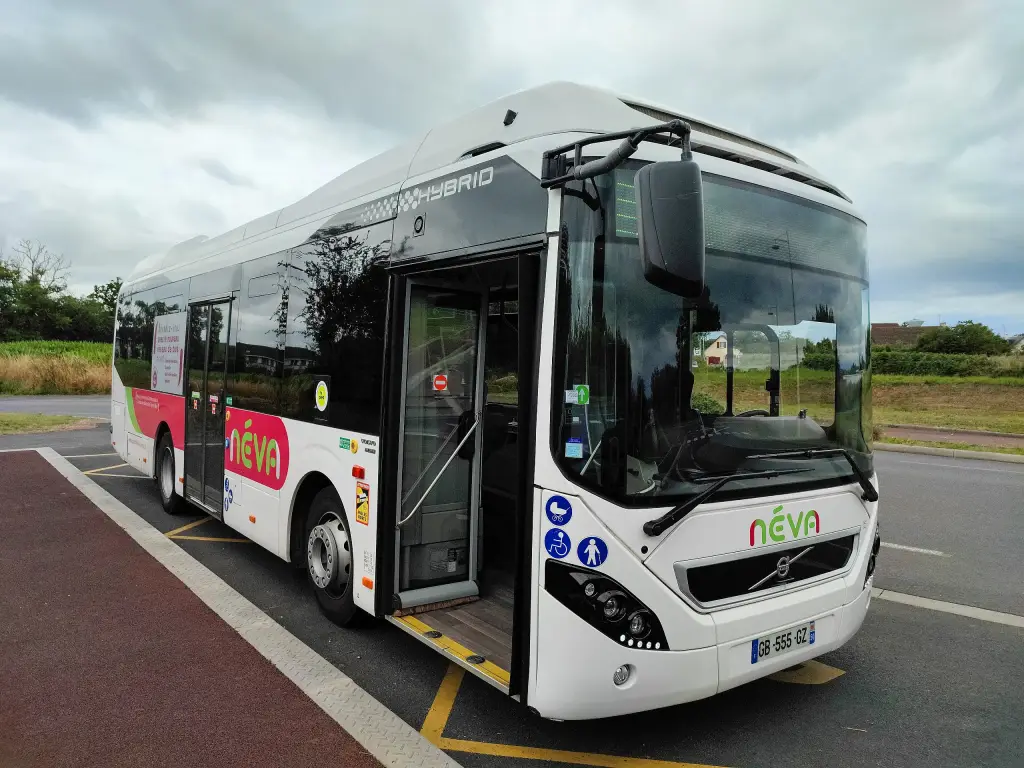
The Volvo 7900 is an integrally built single-decker city bus, rigid or articulated, introduced at Busworld Kortrijk in 2011. It is best known as the 7900 Hybrid, and Volvo added plug-in hybrid and fully electric versions in the following years.
Volvo 7900 at a glance
| Introduced | Busworld Kortrijk, 2011 |
|---|---|
| Bodies | 12 m rigid 7900, articulated 7900A |
| Versions | diesel, CNG, hybrid 7900H, plug-in hybrid EH, electric E |
| Built in | Poland until 2023, then by MCV Bus and Coach in Egypt under licence |
| Articulated hybrid | 7900A Hybrid, 2013, tri-axle |
| Plug-in hybrid | 7900 Electric Hybrid, shown September 2014 |
| Electric | prototypes in Gothenburg 2015, series production 2017 |
| Self-charging | S-Charge versions announced 14 April 2020 |
| Electric chassis | Volvo BE, renamed BZL in September 2021 |
History of the Volvo 7900
The 7900 replaced the 7700 in 2011 and was manufactured at Volvo’s Polish plant until 2023, when body production moved under licence to MCV Bus and Coach in Egypt with a slightly updated front. Most buses are hybrids, sold as the 7900 Hybrid or 7900H, with diesel and compressed natural gas versions in some markets.
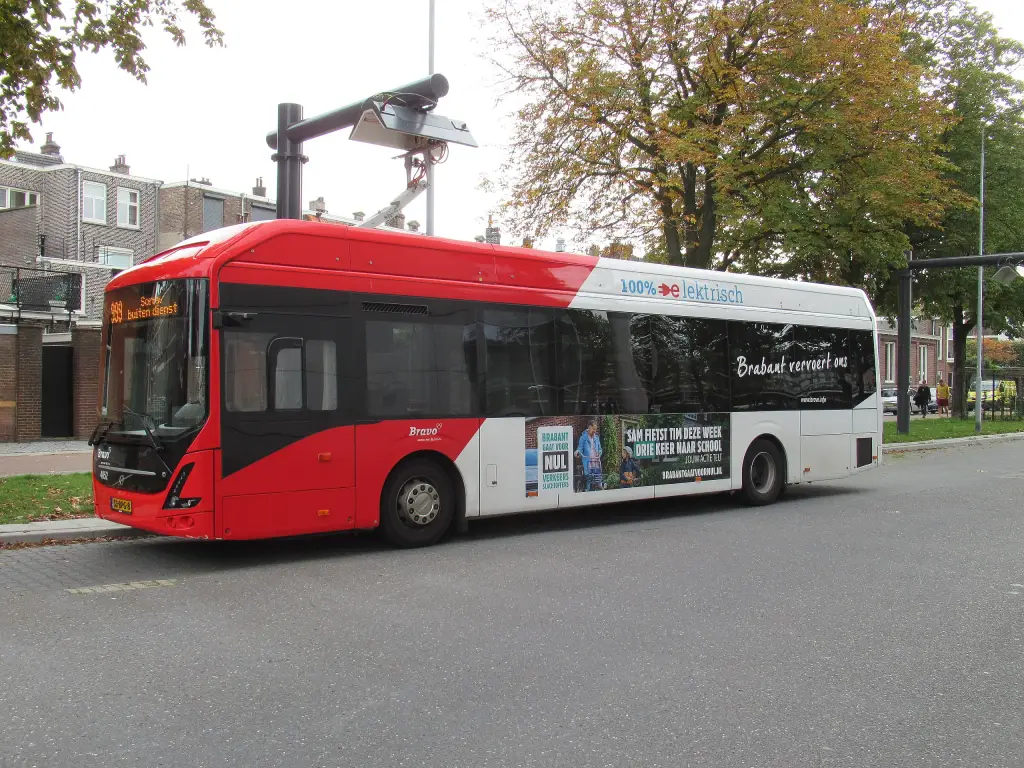
Charging on the move
Volvo offered an extension for the hybrid in which a roof-mounted device is charged at stops: a loading unit on a roadside pillar lowers onto a coupling on the roof whenever the bus waits at a suitably equipped terminus or busy stop. Combined with regenerative braking, this extends running in electric mode and cuts fuel consumption; the vehicle and charger were first shown in September 2014.
In 2013 a tri-axle articulated hybrid, the 7900A Hybrid, replaced diesel and CNG articulated versions, as the B9L chassis was being withdrawn without non-hybrid replacements. The plug-in hybrid 7900 Electric Hybrid was unveiled in September 2014, with three prototypes run in Gothenburg and pre-production examples planned for Hamburg, Luxembourg and Stockholm.
Going electric
In June 2015 an all-electric 7900 Electric entered service with three prototypes in Gothenburg, and series production started in 2017. A demonstrator went to First Greater Manchester in September 2017, and the Harrogate Bus Company placed the first firm order for eight buses. An articulated electric version followed at Busworld 2019. Electric buses use a modified B5LH chassis called Volvo BE, later renamed BZL in September 2021, which was also offered to outside bodybuilders, first in Australia with Volgren bodies. On 14 April 2020 Volvo announced the S-Charge self-charging hybrid, which can run in electric mode up to 50 km/h instead of 20 km/h.
Where it runs
Brussels operator STIB received 110 hybrid buses in 2018–2019 and ordered 128 more in 2020; Namur and Charleroi run plug-in hybrids, Tallinn received 44 hybrids from December 2015, and Norwegian, Swedish and British operators took large fleets of hybrids and electric buses.
Design and features
- Hybrid first: the 7900H became the standard city bus for many European operators.
- Opportunity charging: a roof connection tops up the battery at stops.
- Electric version: the 7900 Electric has been in series production since 2017.
- S-Charge: electric running up to 50 km/h in the 2020 self-charging hybrid.
- BZL chassis: the electric platform is also sold to other bodybuilders.
Volvo 7900 versions
- 7900 and 7900A: rigid and articulated diesel or CNG buses.
- 7900 Hybrid and 7900A Hybrid: the main versions from 2013.
- 7900 Electric Hybrid: plug-in hybrid shown in 2014.
- 7900 Electric: battery bus in production since 2017.
- S-Charge (2020): self-charging hybrid with higher electric speed.
The 7900 replaced the Volvo 7700 and shares its market with the intercity Volvo 8900. More buses are in the Volvo collection.
Sources
- Volvo 7900, English Wikipedia: history, versions, charging, operators