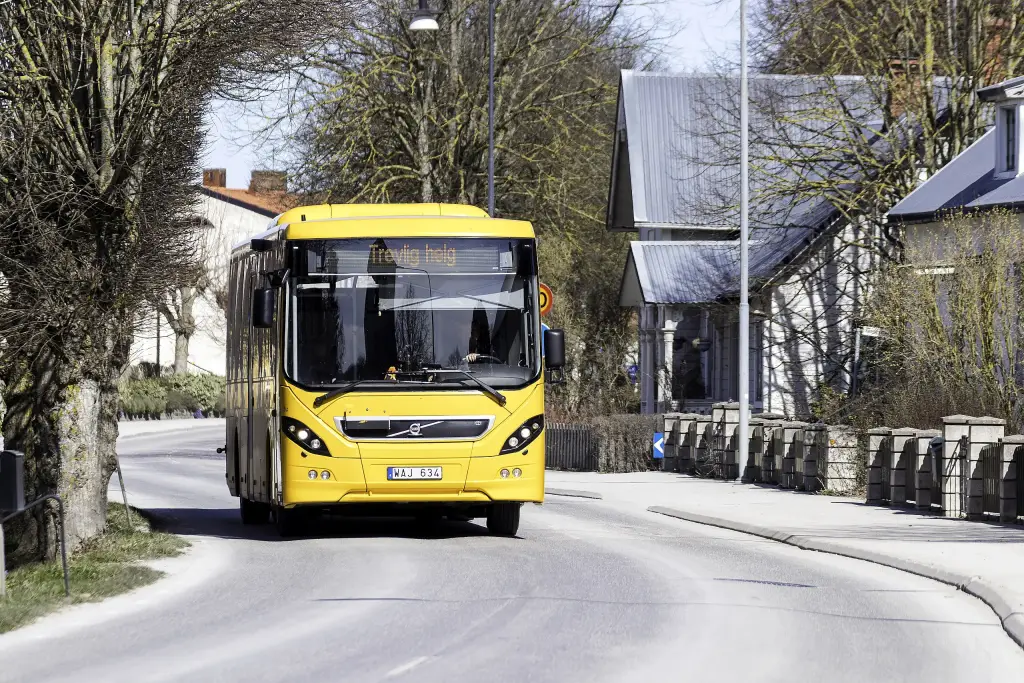
The Volvo 8900 is a single-decker city and intercity bus introduced in 2010 as the successor to both the aluminium-bodied 8500 and the stainless steel 8700. It comes with a 860 mm step entrance or as the low-entry 8900LE, and since 2024 it has also been offered as a battery electric bus.
Volvo 8900 at a glance
| Introduced | 2010 |
|---|---|
| Role | city and intercity single-decker |
| Construction | aluminium and stainless steel techniques combined |
| Versions | 8900 with 860 mm step entrance, low-entry 8900LE |
| Chassis | B7R, B7RLE, B9R and B9RLE, B8R and B8RLE from 2013 |
| Built in | Poland, after the Säffle plant closed in 2013 |
| Predecessors | Volvo 8500 and Volvo 8700 |
| Electric | 8900 Electric on the BZR chassis, announced November 2024 |
| Battery | 540 kWh, up to 110 passengers |
History of the Volvo 8900
A facelifted 8500 left the Säffle works in early May 2010 with a new front, and two months later Volvo announced the 8900. The front was carried over from the facelifted 8500 but the rest of the bus was new, built with both the aluminium technique of the 8500 and the stainless steel of the 8700. The Säffle plant stopped building the 8500 in the summer of 2011 and the Wrocław-built 8700 ended at the start of 2012.
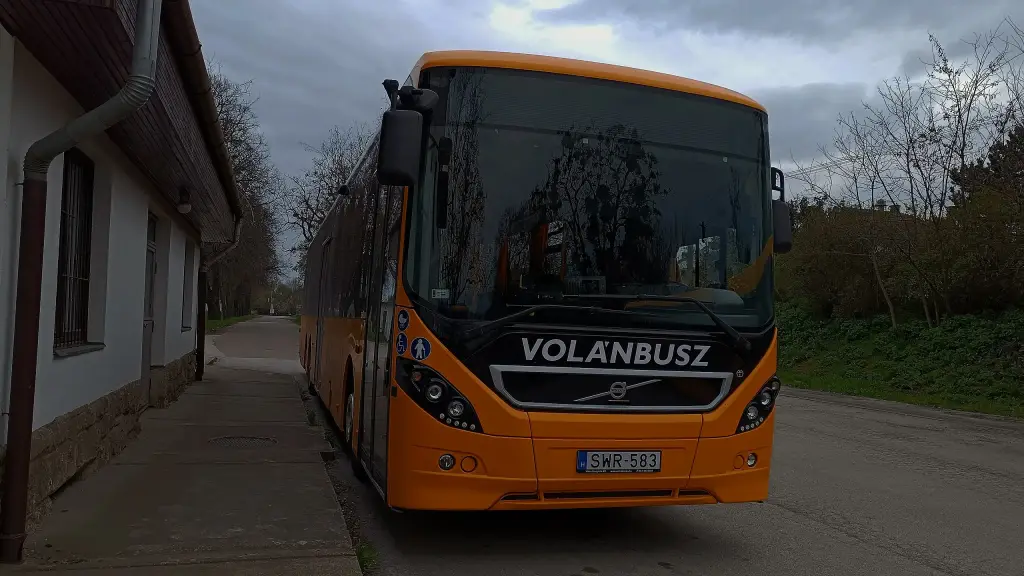
Chassis choices
Because the B12B and B12BLE chassis were being withdrawn and the B8R was not ready, Volvo offered the 8900 on B7RLE and B9RLE six-wheelers and on two-axle B7RLE, B7R and B9R. The first B8R and B8RLE chassis arrived in the summer of 2013, and from 2014, with Euro VI, the older 7- and 9-litre chassis were dropped. Volvo split production between Poland, which built B7R and B7RLE versions, and Sweden, which built the B9R and B9RLE; the Säffle plant closed in the summer of 2013 and all production moved to Poland.
The low-entry 8900LE has seats in the low-floor section mounted on podiums so that only the aisle and wheelchair area stay at entrance level. From late 2011 customers could order the bus without podiums, which required a lower window line; since late 2014 that lower window line has been standard.
Electric version
In November 2024 Volvo announced the 8900 Electric on the BZR chassis, with a body by MCV Bus and Coach, a modular battery of 540 kWh, two or three axles, one or two motors and room for up to 110 passengers. Production was expected to begin in 2025. The 8900 is common in Norway, with over 500 buses by late 2014, in Finland with more than 300, and with Swiss PostAuto in 10.8, 11.2 and 12-metre versions.
Design and features
- Mixed construction: aluminium and stainless steel in one body.
- Two floor heights: step entrance for intercity work, low entry for towns.
- Wide chassis choice: B7R and B9R families, then B8R.
- 8900LE: podium seats or a lower window line for more standing room.
- Electric from 2024: BZR chassis with a 540 kWh battery.
Volvo 8900 versions
- 8900: step-entrance city and intercity bus.
- 8900LE: low-entry version, the most common in Finland.
- Two- and three-axle: from about 10.8 m up to full intercity lengths.
- 8900 Electric (2024): battery bus on the BZR chassis.
The 8900 succeeded the Volvo 8500 and the 8700, and shares its market with the hybrid Volvo 7900. More buses are in the Volvo collection.
Sources
- Volvo 8900, English Wikipedia: history, chassis, low-entry detail, electric version, operators