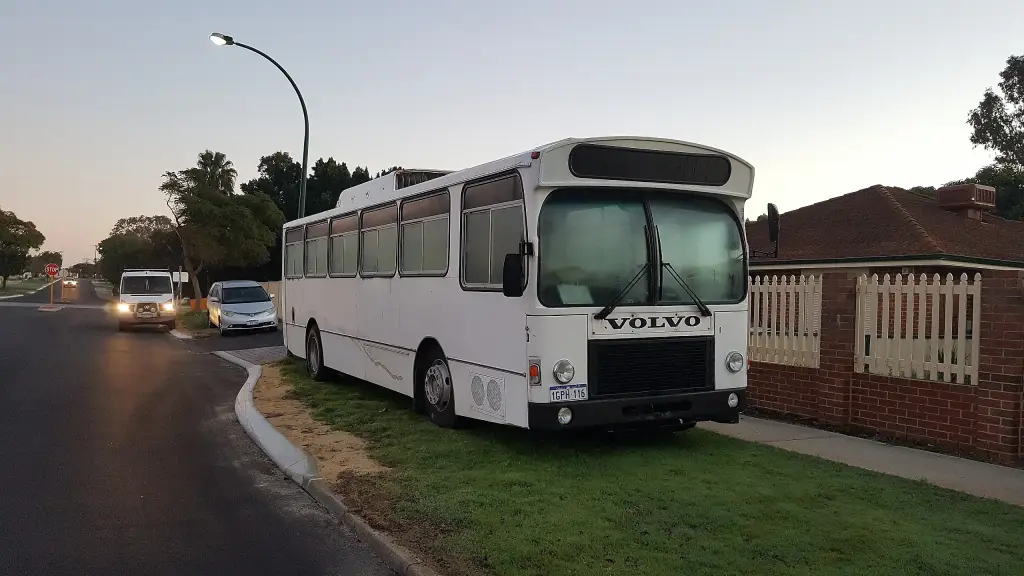
The Volvo B58 was a mid-engined bus chassis built in Sweden from 1966 until early 1982 and succeeded by the B10M. It became one of Volvo’s most widely used bus chassis, sold across Australia, Brazil, New Zealand, Britain and Uruguay.
Volvo B58 at a glance
| Production | 1966–1982 in Sweden |
|---|---|
| Layout | mid-engined bus and coach chassis |
| Brazilian version | B58E, built at Curitiba 1979–1998 |
| Australia | 77 with ACTION, 68 rigid for Tasmania, 65 rigids and 35 articulated for Adelaide |
| New Zealand | 68 trolleybuses in Wellington, 1981–2009 |
| Sweden | 250 ordered for Stockholm in 1978 |
| United Kingdom | coaches for Wallace Arnold and Park’s of Hamilton from 1972 |
| Brazilian milestone | first bi-articulated chassis, 1992 |
| Successor | Volvo B10M |
History of the Volvo B58
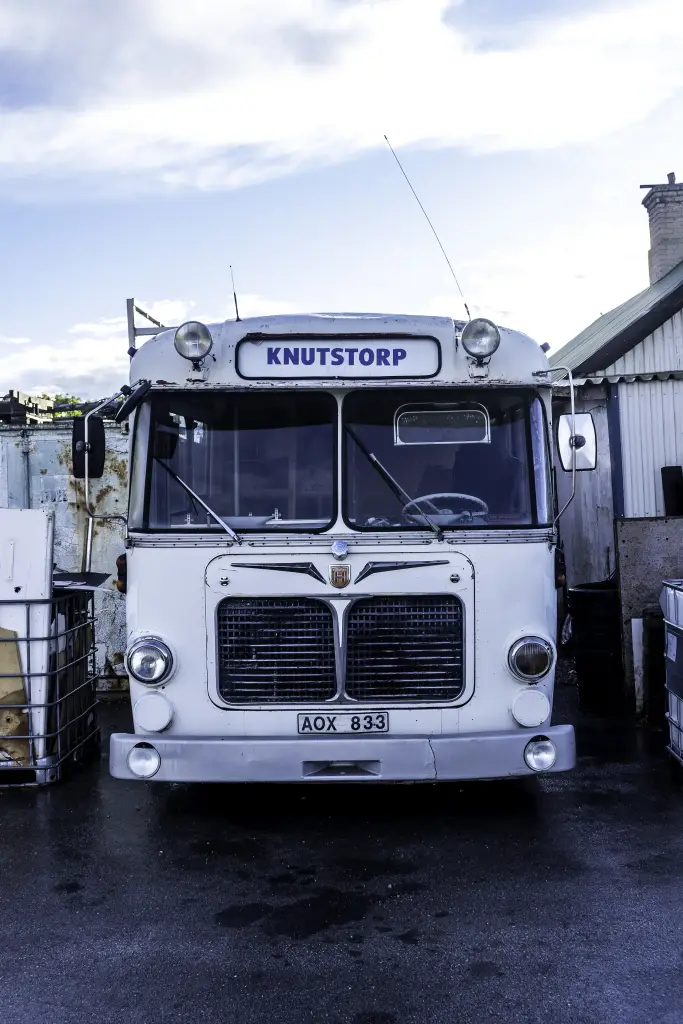
The B58 was Volvo’s mid-engined bus and coach chassis of the 1960s and 1970s, with the engine under the floor between the axles. It was made in Sweden from 1966 to 1982 and succeeded by the B10M, but it travelled much further than that: a Brazilian version, the B58E with B10M transmission and suspension, was built at Curitiba from 1979 to 1998.
Australia and New Zealand
The B58 was popular with Australian government operators. ACTION took 77 between 1972 and 1976, the Metropolitan Transport Trust in Tasmania 68 rigid buses and three articulated buses from September 1975, and the State Transport Authority in Adelaide 65 rigids and 35 articulated buses from April 1980. Private operators bought too, Forest Coach Lines 13, Busways 30 and Grenda 18. In New Zealand, 68 B58 trolleybuses ran in Wellington from 1981 until November 2009, originally for Wellington City Transport and finally for GO Wellington.
Brazil and Uruguay
Brazilian B58Es served city, coach and trolleybus work in São Paulo, Curitiba, Porto Alegre, Campinas, Sorocaba and Belo Horizonte. In 1992 the B58E became Brazil’s first bi-articulated chassis, 33 of which ran in Curitiba as express line buses. Chassis of Brazilian origin were bodied by Caio, Ciferal and Thamco for Montevideo, where CUTCSA acquired about 260 buses with Caio Vitória bodies, COETC 153 with Ciferal bodies, UCOT 118 and Raincoop 91.
In Sweden, the Greater Stockholm transport authority ordered 250 B58s in 1978. In Britain the chassis was sold to major operators including Wallace Arnold and Park’s of Hamilton from 1972, mostly as coaches; one was even rebodied as a double-decker with an East Lancs Droop Nose body for Skills Coaches.
Design and features
- Mid engine: under the floor, leaving the rear free for passengers or luggage.
- Worldwide reach: built in Sweden and Brazil and bodied on four continents.
- Trolleybus version: 68 ran in Wellington for 28 years.
- Bi-articulated first: Brazil’s first such chassis in 1992.
- Coach or bus: the same chassis served long-distance and city work.
Volvo B58 versions
- B58 (1966): Swedish-built bus and coach chassis.
- B58E: Brazilian version with B10M transmission and suspension.
- Trolleybus: electric versions for Wellington.
- Bi-articulated (1992): Curitiba express buses.
- Coach bodies: British and Australian long-distance models.
The B58 was replaced by the Volvo B10M and shared the front-engined era with the smaller Volvo B57. More buses are in the Volvo collection.
Sources
- Volvo B58, English Wikipedia: production, operators by country, Brazilian version