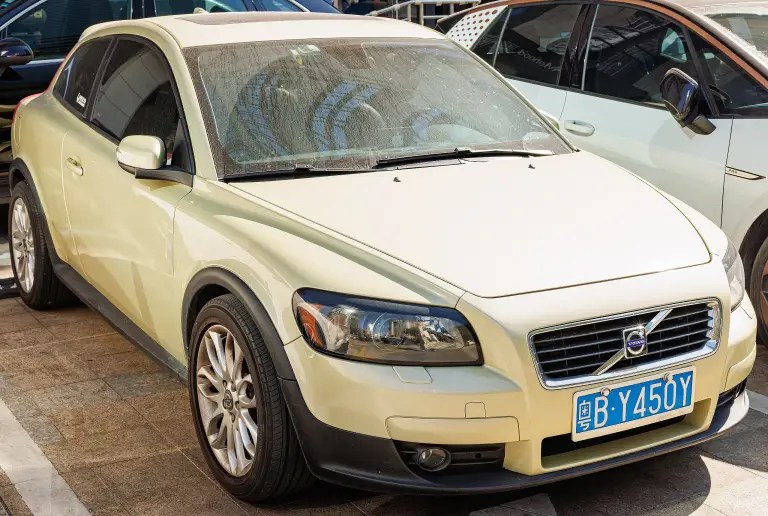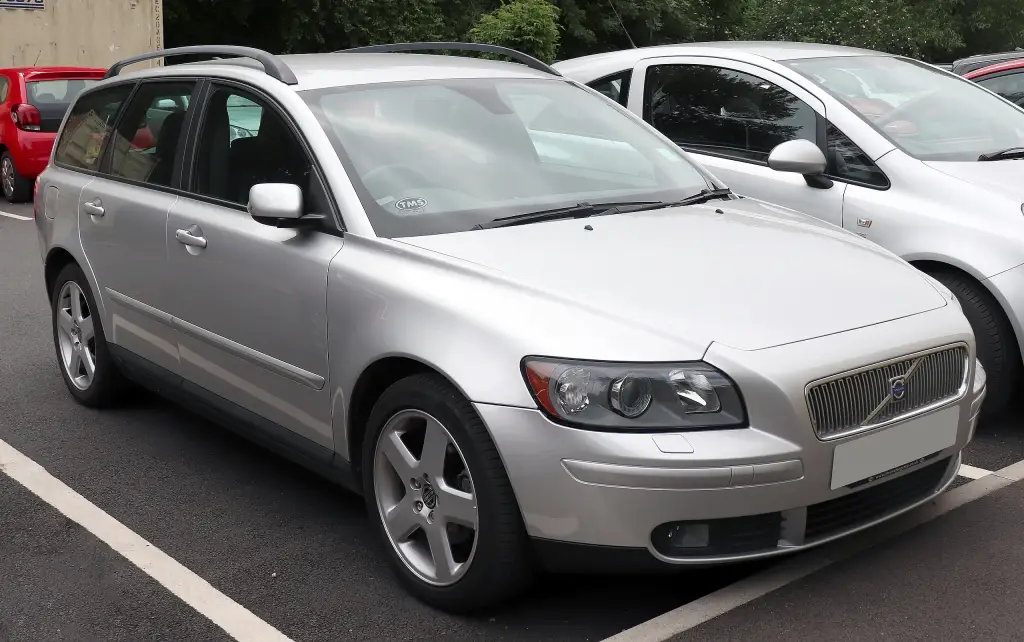
The Volvo V50 was the estate version of the S40 small family car, unveiled at the 2003 Bologna Motor Show and built alongside the saloon at Ghent in Belgium. It shared the Global C-car platform with the second-generation European Ford Focus and the Mazda3.
Volvo V50 at a glance
| Production | 2003–2012 |
|---|---|
| Built | 519,007 cars |
| Built in | Ghent, Belgium |
| Platform | Volvo, Ford and Mazda Global C-car platform |
| T5 AWD | 2.5-litre five, 220 PS, 320 Nm |
| D5 diesel | 2.4-litre five, 180 PS, 350 Nm |
| Interior | theatre lighting and floating centre console |
| 2008 update | revised front, active xenon headlights, more power |
| End in North America | 2011 was the last model year |
History of the Volvo V50
The V50 was shown at Bologna in 2003 as the wagon version of the S40, and both cars were assembled at Ghent. It used the Volvo, Ford and Mazda Global C-car platform, shared with the European second-generation Ford Focus and the Mazda3, and it carried Volvo’s interior ideas of theatre lighting, a floating centre console and the company’s Intelligent Vehicle Architecture.
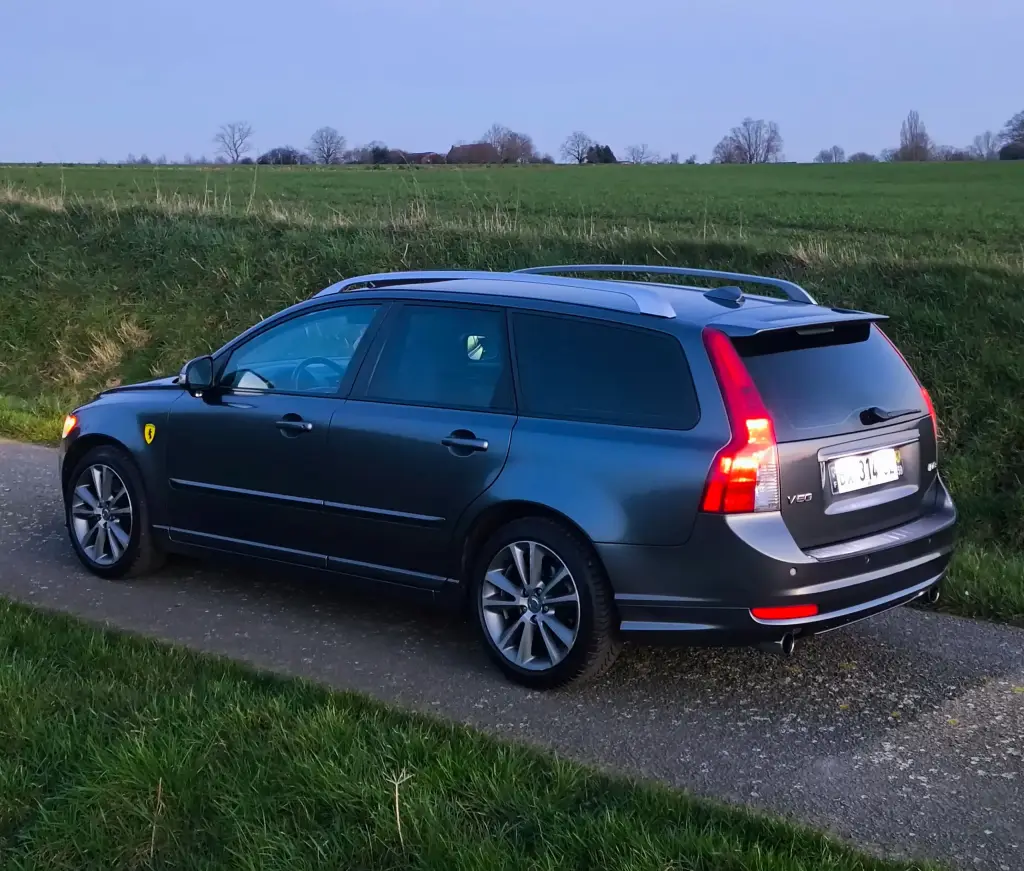
The V50 T5 AWD used a 2.5-litre straight five with a light-pressure turbocharger, four valves per cylinder and variable camshaft timing, producing 220 PS and 320 Nm. In Europe the diesel range included the 2.4-litre D5 with 180 PS and 350 Nm. In the United States Volvo limited sales of the PZEV version to states where it was required, from California and New York to Washington and New Mexico. Volvo Cars Special Vehicle also built a concept called the V50 SV with 340 hp for the 2004 SEMA show in Las Vegas.
Year by year
For 2008 the V50 received revised front styling, minor interior changes, optional active xenon headlights and new audio systems, more power and torque for the T5, the availability of the D5 with a six-speed manual and a 1.8 Flexifuel engine. For 2009 the American V50 T5 came only as an automatic all-wheel-drive model with the R-Design package, though Europe kept manual and automatic options. From 2010 the D5 was dropped in favour of 1.6 and 2.0-litre four-cylinder diesels, and the new circular Volvo logo appeared on the grille. In North America the naturally aspirated five, all-wheel drive and manual gearbox were all dropped for 2011, leaving only the automatic front-wheel-drive T5, and 2011 was the last model year for the United States and Canada.
Design and features
- Shared platform: the same C-car basis as the Ford Focus and Mazda3.
- T5 AWD: 220 PS and all-wheel drive at the top of the range.
- D5 diesel: 180 PS and 350 Nm for European buyers.
- Volvo interior: theatre lighting, floating console and a clean dashboard.
- Long run: 519,007 cars over nine years.
Volvo V50 versions
- V50 1.8: entry-level petrol, later with Flexifuel.
- V50 T5: 2.5-litre turbo five, front- or all-wheel drive.
- V50 D5: five-cylinder diesel, dropped after 2009.
- V50 R-Design: sports trim, the only American T5 from 2009.
- V50 SV concept (2004): 340 hp show car.
The V50 was the estate version of the Volvo S40 and was followed by the Volvo V60. More cars are in the Volvo collection.
Sources
- Volvo V50, English Wikipedia: launch, platform, engines, yearly changes, production