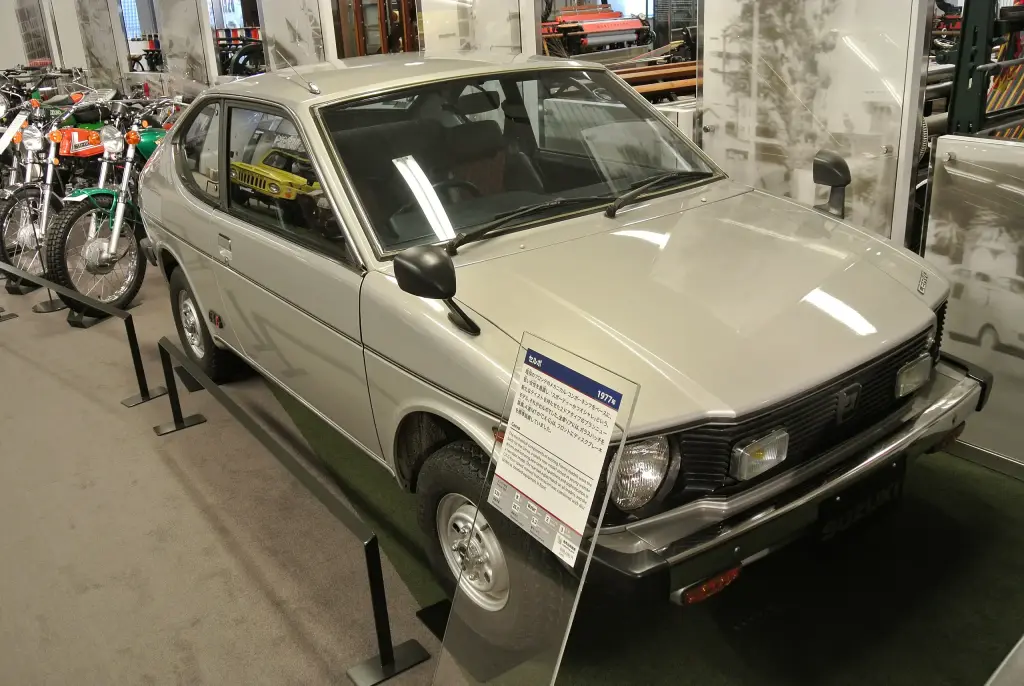
The Suzuki Cervo is a kei car name used from 1977, first on a small rear-engined sports coupé and later on hatchbacks derived from the Alto. Abroad the original car was sold as the SC100 and in Britain it earned the nickname Whizzkid.
Suzuki Cervo at a glance
| First Cervo | SS20, October 1977 |
|---|---|
| Predecessor | Suzuki Fronte Coupé, 1971–1976 |
| First engine | 539 cc three-cylinder two-stroke, 28 PS |
| Top speed | 120 km/h claimed |
| Export model | SC100, from April 1978 |
| SC100 engine | 970 cc four-cylinder F10A, 47 PS |
| British sales | 4,696 SC100s |
| Dutch sales | 3,290 SC100s |
| Rear-engined Cervo ended | June 1982 |
| Name retired | 1998, revived 2006, retired again December 2009 |
History of the Suzuki Cervo
After the Fronte Coupé
Suzuki’s Fronte Coupé of 1971 was a Giugiaro-designed 2+2 mini GT based on the rear-engined Fronte, with a 359 cc two-stroke of 31 to 37 PS. It was dropped in June 1976 because it no longer suited the new kei limits or tighter emissions rules. The Cervo of October 1977 filled the gap: it used the chassis of the 1976 Fronte 7-S, the larger 539 cc three-cylinder two-stroke and a body based on the old coupé, widened and lengthened, with round headlamps and a useful rear glass hatch.
Slower than it looked
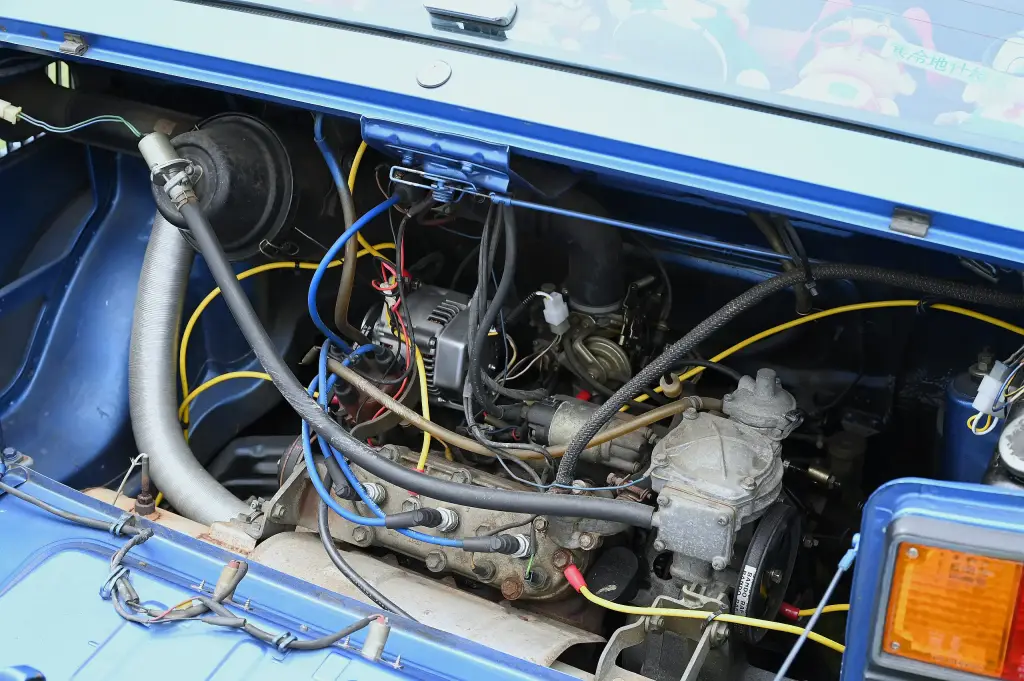
The new engine was strangled by emissions rules: where the 360 cc unit had given up to 37 PS, the T5A managed 28 PS while dragging 55 to 80 kg more weight. Low gearing kept acceleration acceptable and the claimed top speed was 120 km/h, ten more than the Fronte 7-S saloon, but a Car Graphic test reached only 111.8 km/h with a 23-second standing 400 m. Equipment ran from the CX at ¥608,000 through the ladies’ CX-L of September 1978 to the CX-G at ¥698,000, the only version with front disc brakes.
The SC100 Whizzkid
For export Suzuki created the SC100, shown first in April 1978 and at Amsterdam’s AutoRAI in February 1979. It replaced the three-cylinder with a rear-mounted 970 cc four of 47 PS, later used in the SJ410, and a test recorded 142.8 km/h. The windscreen was less steeply raked, so the doorframes and side glass differed, and European cars had square headlamps. Britain took 4,696 SC100s, the Netherlands 3,290, and the remaining 1,299 went to New Zealand, South Africa and Latin America. In Britain the car was the lavishly equipped SC100 GX at £2,400.
Later Cervos
The rear-engined Cervo was replaced in June 1982 by the SS40, a conventionally laid out car derived from the Alto. The name stayed on Alto-based models until it was retired in 1998, came back in 2006 and disappeared again in December 2009.
Design and features
- Rear engine: the original Cervo kept the Fronte’s layout, with a twitchy front end as a result.
- Kei GT looks: Giugiaro-derived coupé body with round headlamps and a glass hatch.
- SC100 export: a 970 cc four and a 142.8 km/h top speed in period tests.
- British nickname: the SC100 became the Whizzkid.
Suzuki Cervo versions
- SS20 Cervo (1977–1982): the rear-engined coupé in CX, CX-L and CX-G trim.
- SC100 (1978–1982): the export version with a 970 cc four, sold as the Whizzkid in Britain.
- SS40 Cervo (1982): the Alto-based replacement.
- Later Alto-based Cervos: built until 1998 and again from 2006 to 2009.
The Cervo grew out of the Suzuki Fronte and its later versions were based on the Alto, whose engine also powered the Jimny era. More Suzukis are in the Suzuki collection.
Video: expocarreras La Serena 2012 – SUZUKI CERVO vs SUBARU IMPREZA
Video by Gustavo Alfonso on YouTube.
Sources
- Suzuki Cervo, English Wikipedia: history, engines, SC100 sales