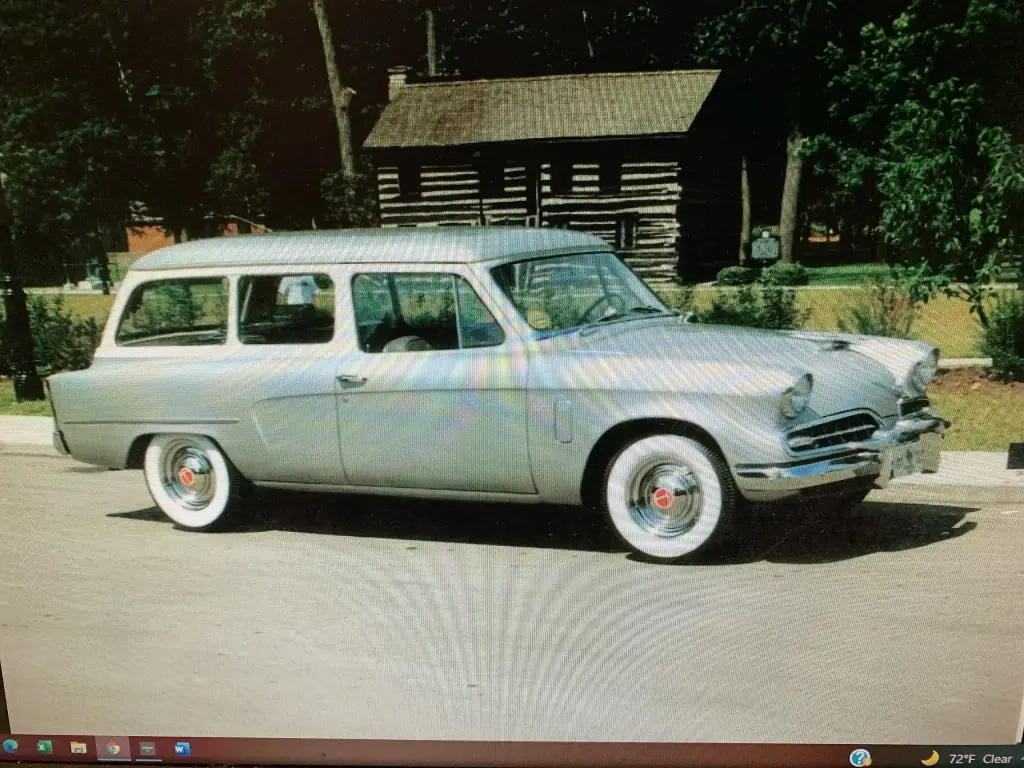
The Studebaker Conestoga was an all-steel station wagon produced in 1954 and 1955. Studebaker chose the name as an homage to the wagon business it had run from the 1850s into the early 20th century.
Studebaker Conestoga at a glance
| Maker | Studebaker Corporation, South Bend |
|---|---|
| Production | 1954 and 1955 |
| Body | all-steel station wagon |
| Wheelbase | 116.5 in (2,960 mm) |
| Body styles | one, a two-door wagon |
| Tailgate | two-piece tailgate and liftgate |
| 1954 base price | $2,095 |
| 1954 production | 3,074 |
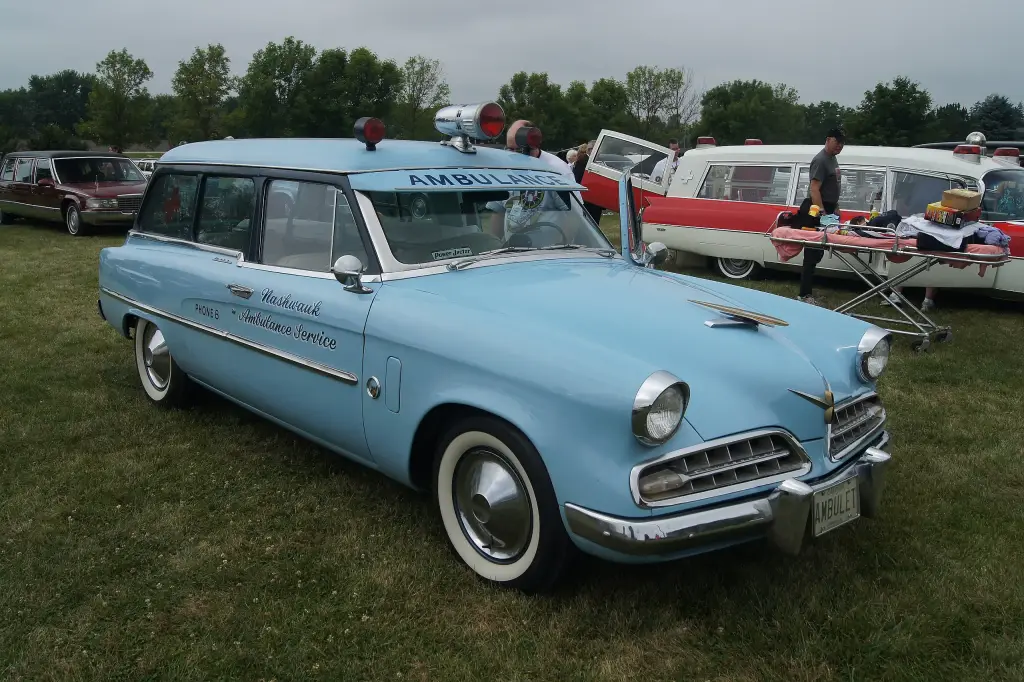
| Ambulance version | Ambulet, with stretcher and red cross decals |
| Name retired | end of the 1955 model year |
Based on one source: the English Wikipedia article on the Conestoga.
History of the Studebaker Conestoga
A wagon named after the old Studebaker business
The Conestoga was Studebaker’s all-steel station wagon, built in South Bend, Indiana, in 1954 and 1955. The name was chosen as an homage to the company’s wagon business, which it had operated from the 1850s into the early 20th century — the Conestoga was the covered wagon of the American frontier, and Studebaker had built wagons long before it built cars.
Body and price
The Conestoga was built on Studebaker’s 116.5 in (2,960 mm) wheelbase platform. Only one body style was offered: a two-door wagon with a two-piece tailgate and liftgate arrangement for access to the cargo area. The 1954 model’s base price was $2,095, and 3,074 were produced in that first year.
The Ambulet
Studebaker also offered the Conestoga as an ambulance called the Ambulet, fitted with a stretcher, red cross decals and other ambulance equipment. It was promoted mainly to police and fire departments and to small-town funeral homes, many of which provided ambulance services at the time.
The end of the name
Studebaker discontinued the Conestoga nameplate at the end of the 1955 model year, but the basic body continued through several styling changes and was even built as the Lark compact through 1961. The Conestoga therefore sits at the head of the line that led, through the 1956–1958 wagons, to the compact Lark that kept Studebaker in business.
Design and features
- All-steel body: a station wagon in steel rather than the wood or part-wood bodies still common in the early 1950s.
- Two-door layout: a single two-door wagon body style with a two-piece tailgate and liftgate.
- 116.5 in wheelbase: the platform shared with Studebaker’s other 1954–55 cars.
- Ambulet version: a factory ambulance with stretcher and red cross decals for police, fire and funeral-home use.
Studebaker Conestoga versions
- Conestoga wagon (1954–1955): two-door station wagon, $2,095 at launch in 1954.
- Ambulet: ambulance version with stretcher and emergency equipment.
- 1955 Conestoga: the second and final model year before the name was dropped.
The Conestoga’s body was developed into the Lark compact, and it shared its platform with the Commander and Champion of the period. More cars are in the Studebaker collection.
Video: 1955 Studebaker Conestoga Station Wagon
Video by Tom Shiveley on YouTube.
Sources
- Studebaker Conestoga, English Wikipedia: production, wheelbase, price, Ambulet, end of the name