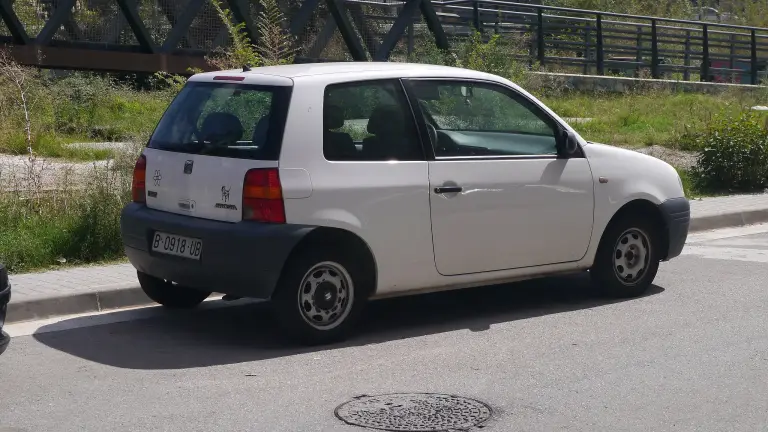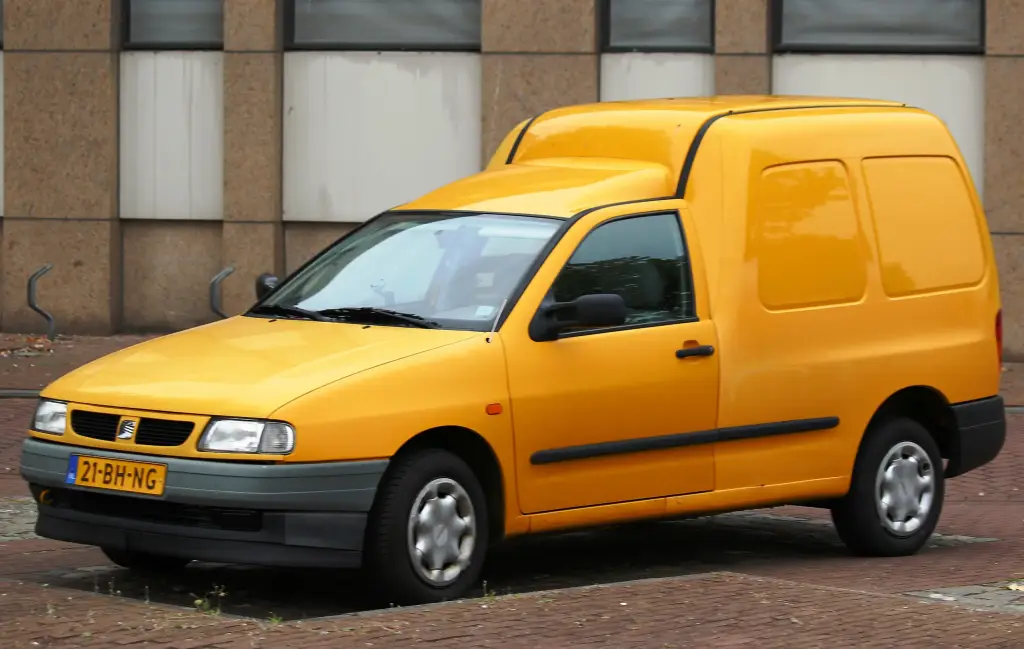
The SEAT Inca was SEAT’s light commercial vehicle of the late 1990s. A van and panel van based on the SEAT Ibiza Mk2, it was designed and built in Spain from 1996 to 2004, and it was also sold by Volkswagen as the Caddy.
SEAT Inca at a glance
| Maker | SEAT, Martorell, Spain |
|---|---|
| Production | 1996–2004 |
| Internal code | Typ 9K |
| Basis | SEAT Ibiza Mk2 |
| First shown | Barcelona Motor Show, 1995 |
| Bodies | panel van and Kombi with side windows |
| Payload | 550 kg |
| Towing | 1,000 kg braked trailer |
| Petrol engines | 1.4 of 60 PS, 1.6 of 75 PS |
| Diesel engines | 1.9 D of 64 PS, 1.9 TDI of 90 PS, 1.9 SDI from 1999 |
| Built | more than 115,000 |
| Rebadged as | Volkswagen Caddy (Typ 9K) |
This page is based on one source, the English Wikipedia article on the SEAT Inca.
History of the SEAT Inca
A van from the Ibiza
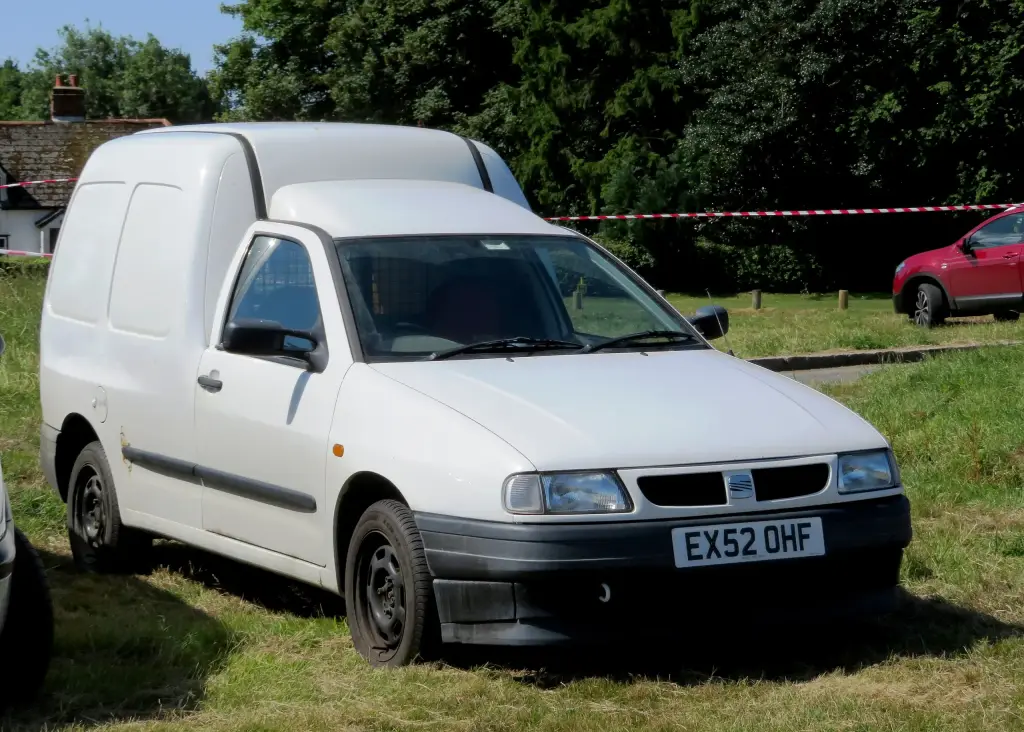
The Inca, internally Typ 9K, was first shown at the Barcelona Motor Show of 1995 and went on sale in 1997. It was designed and assembled in Spain on the basis of the SEAT Ibiza Mk2, which gave it car-like manners with a load bay behind the seats. Its most distinctive feature was a pair of rear wing doors, deliberately non-symmetrical to make loading and unloading easier. The van could carry a payload of 550 kg and tow a braked trailer of 1,000 kg, which made it a strong workhorse in many markets and earned it the Comercial do Ano award for commercial vehicle of the year in Portugal in 1997. SEAT built it in panel van form without side windows and as a Kombi with side windows and removable seats for cargo or passengers.
Engines
Buyers could choose 1.4-litre and 1.6-litre petrol engines of 60 and 75 PS, or the well-tried 1.9-litre indirect-injection diesel of 64 PS from the Volkswagen Golf and Polo, with a 90 PS TDI diesel in certain countries. From 1999 a 1.9 SDI direct-injection diesel of 64 PS joined the range, with electronic control and better economy than the older indirect-injection unit.
The Caddy twin
Volkswagen, SEAT’s parent company, rebadged the Inca and sold it as the Volkswagen Caddy, Typ 9K. The two were identical in every respect apart from easily interchangeable badges and the front grille. At the beginning of the 2000s the Volkswagen Group decided to aim the SEAT brand at younger drivers with an emphasis on sportier models, but the Caddy and the Inca continued to be built in the same factories until the Inca was discontinued in June 2004. The Inca name then disappeared from the SEAT range, while the Caddy was replaced by a new model based on the Volkswagen Golf V platform. More than 115,000 Incas were produced and sold between the launch in 1997 and the end of production in 2004.
Design and features
- Ibiza foundations: car-derived van built on the Ibiza Mk2 platform.
- Asymmetric rear doors: wing doors of unequal size to ease loading.
- Real working capacity: 550 kg payload and a 1,000 kg braked towing limit.
- Two badges: sold alongside the identical Volkswagen Caddy.
SEAT Inca versions
- Inca panel van: no side windows, purely for cargo.
- Inca Kombi: side windows and removable seats for cargo or passengers.
- Volkswagen Caddy (Typ 9K): the rebadged version with a different grille.
The Inca was based on the SEAT Ibiza and replaced the SEAT Terra van. More Spanish cars are in the SEAT collection.
Sources
- SEAT Inca, English Wikipedia: design, engines, production, Caddy rebadge