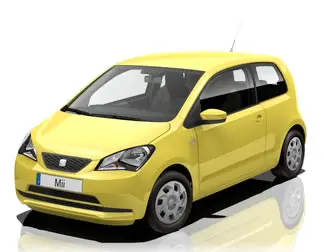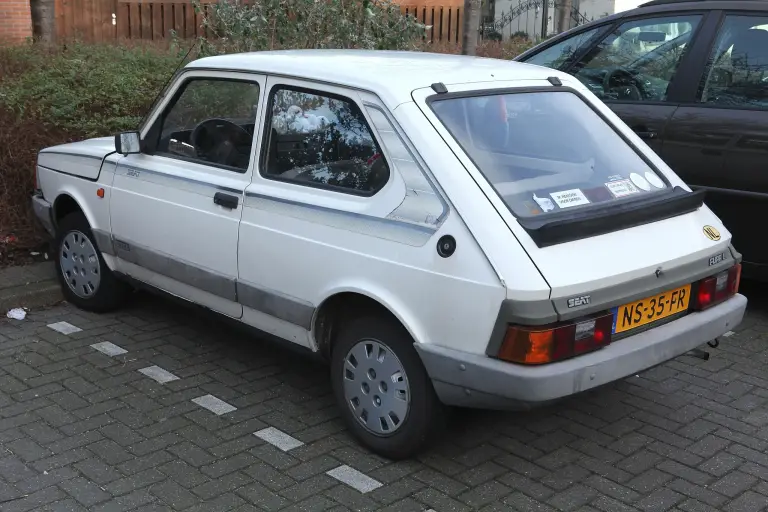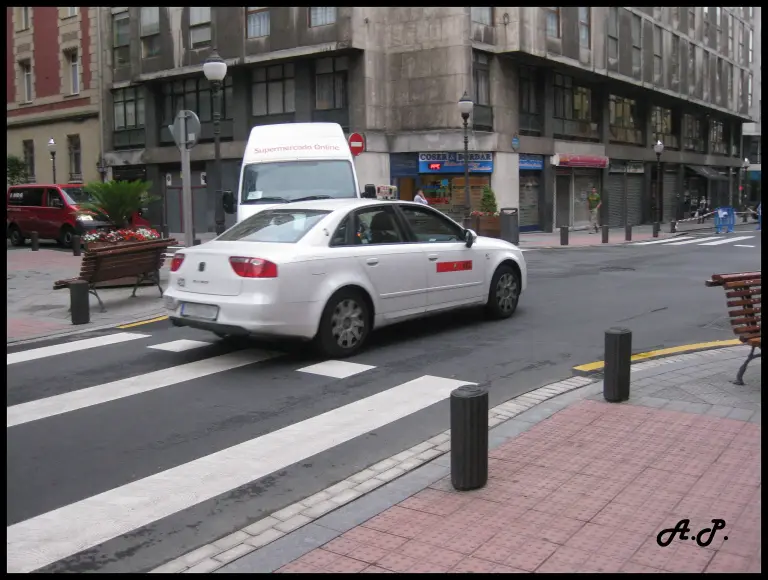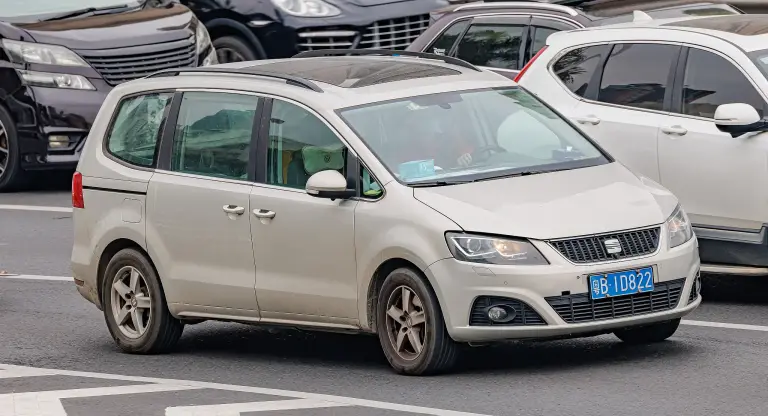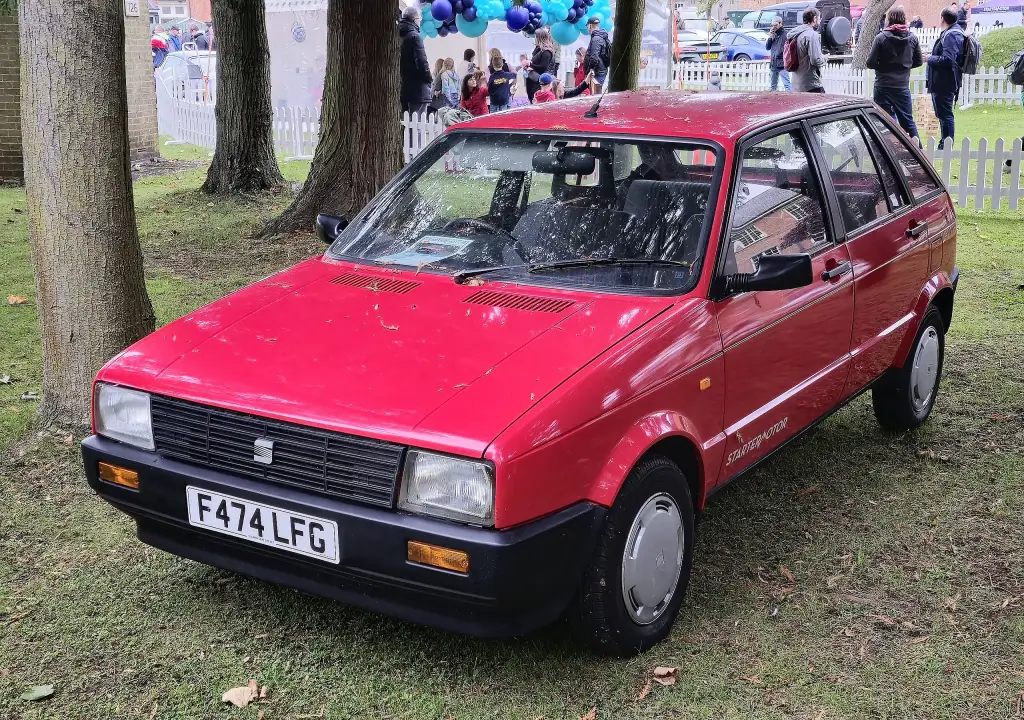
The SEAT Ibiza is SEAT’s best-selling car and the model that changed the company’s fortunes. Shown at the 1984 Paris Motor Show, it was the first car developed by SEAT as an independent company, although it was designed with Italdesign, Karmann and Porsche, and the first generation alone sold 1,342,001 cars.
SEAT Ibiza at a glance
| Maker | SEAT, Zona Franca, Barcelona |
|---|---|
| Production | since 27 April 1984 |
| Début | 1984 Paris Motor Show |
| Internal code, Mk1 | 021A |
| Styling | Giorgetto Giugiaro, Italdesign |
| Industrialisation | Karmann |
| Engines and gearbox | developed with Porsche, “System Porsche” |
| Platform basis | SEAT Ronda, derived from the Fiat Ritmo |
| Luggage | 320 l, 1,200 l with the rear seats folded |
| Mk1 production | 1,342,001 cars, 1984–1993 |
| Generations | five |
| Named after | the island of Ibiza |
This page is based on one source, the English Wikipedia article on the SEAT Ibiza.
History of the SEAT Ibiza
1984: a car of its own
The Ibiza was introduced at the 1984 Paris Motor Show and entered production at Zona Franca on 27 April 1984. It was the first car developed by SEAT as an independent company, after the split with Fiat, and SEAT advertised it as having “Italian styling and German engines”. The bodywork came from Giorgetto Giugiaro’s Italdesign, was prepared for industrialisation by Karmann in Germany, and sat on the platform of the SEAT Ronda, itself derived from the Fiat Ritmo. The gearbox and powertrain were developed with Porsche, and the engines were badged System Porsche; SEAT paid Porsche a royalty of seven German marks per car for the right to carry that inscription on the engine blocks. Giugiaro’s proposal had originally been made for the second-generation Volkswagen Golf and rejected by Volkswagen before SEAT revived it as a spacious supermini.
Bigger than a supermini
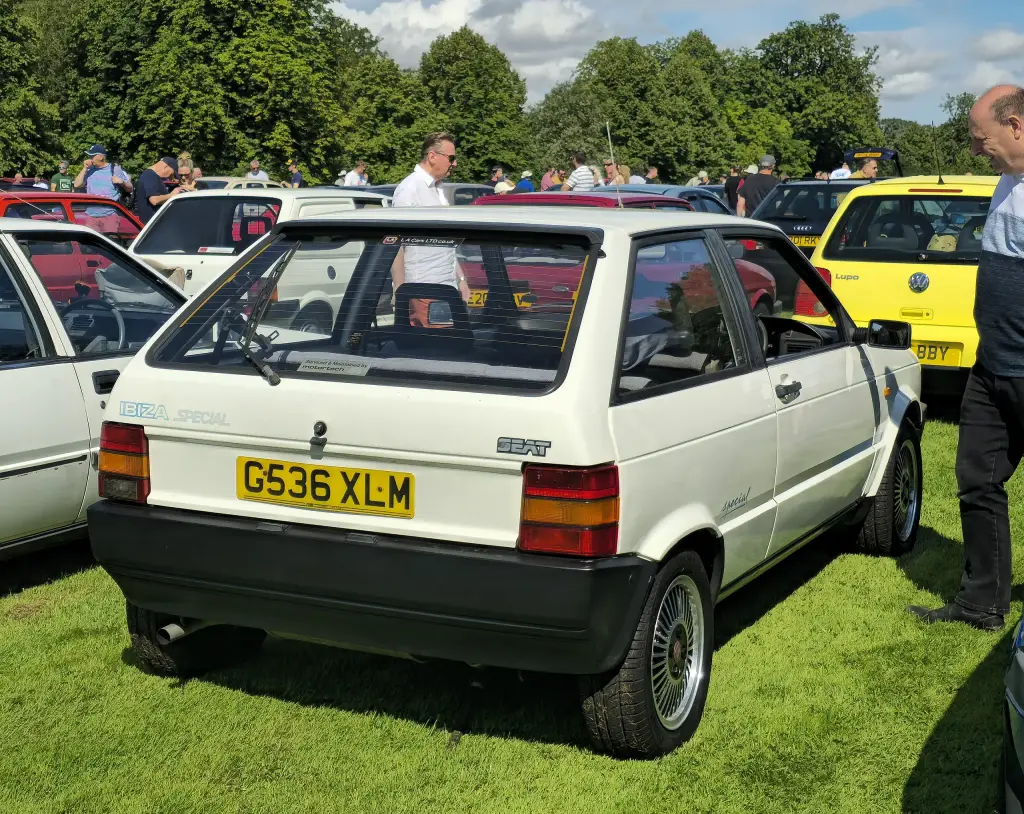
Although it competed with cars such as the Ford Fiesta and Opel Corsa, the Ibiza was larger than most superminis and smaller than small family cars like the Ford Escort and Opel Kadett. Its luggage capacity started at 320 litres and reached 1,200 litres with the rear seats folded. It went on sale in the United Kingdom in September 1985 alongside the Málaga saloon, competing largely with budget cars such as the Hyundai Pony and offering buyers a more modern alternative to the Lada, Škoda, Yugo and FSO. After a slow start, British sales reached 10,000 a year by the end of the decade. The interior was roomy for the class, but the styling was thought unimaginative; the instrument layout was quirky, with no control stalks, indicators worked by a rocker switch and the headlights by a sliding switch. There were three main trim levels, L, GL and GLX, in three- and five-door bodies, plus versions called Base, Special, Disco, Chrono, Designer, Fashion and SXi.
Updates and the Olympic year
Emissions rules cut power outputs, so SEAT developed a 1.7-litre engine for the Sportline and, for Switzerland, a turbocharged 1.5-litre of 109 PS shown in March 1989. In early 1989 the Mk1 received a light restyling with a new, less radical interior and many mechanical changes, known as the second series; the most obvious sign was a move from a black seven-bar grille to four body-coloured bars. At the time the Ibiza was being built at 1,100 cars a day, and half a million had been made. A deeper restyling called New Style followed in 1991, and in February 1992 SEAT launched the Ibiza Serie Olímpica to mark its sponsorship of the Barcelona Olympic Games, where the Ibiza Mk1 and Toledo Mk1 served as official cars. The first generation was replaced in 1993, and from then on saloon, coupé and estate versions of the Ibiza were sold as the SEAT Córdoba until 2008. An estate, the Ibiza ST, arrived in 2010. Five generations have been built, and every one has been the best-selling model in SEAT’s range.
Design and features
- Italian styling, German engines: Italdesign bodywork and Porsche-developed running gear.
- Porsche royalties: SEAT paid seven marks per car for the System Porsche name on the engine.
- Room for the class: 320 litres of luggage, up to 1,200 with the seats down.
- Five generations: the best-selling SEAT model in every generation since 1984.
SEAT Ibiza versions
- Ibiza Mk1 first series (1984–1989): the original three- and five-door cars.
- Ibiza Mk1 second series (1989): new interior, four-bar body-coloured grille.
- Ibiza New Style (1991): a more thorough restyling.
- Ibiza Serie Olímpica (1992): Barcelona Olympics edition.
- Ibiza ST (2010): estate version of a later generation.
The Ibiza shared its platform with the SEAT Ronda, its saloon versions were sold as the SEAT Córdoba, and the fastest versions wore the Cupra badge. More Spanish cars are in the SEAT collection.
Sources
- SEAT Ibiza, English Wikipedia: first generation, design, engines, updates, generations