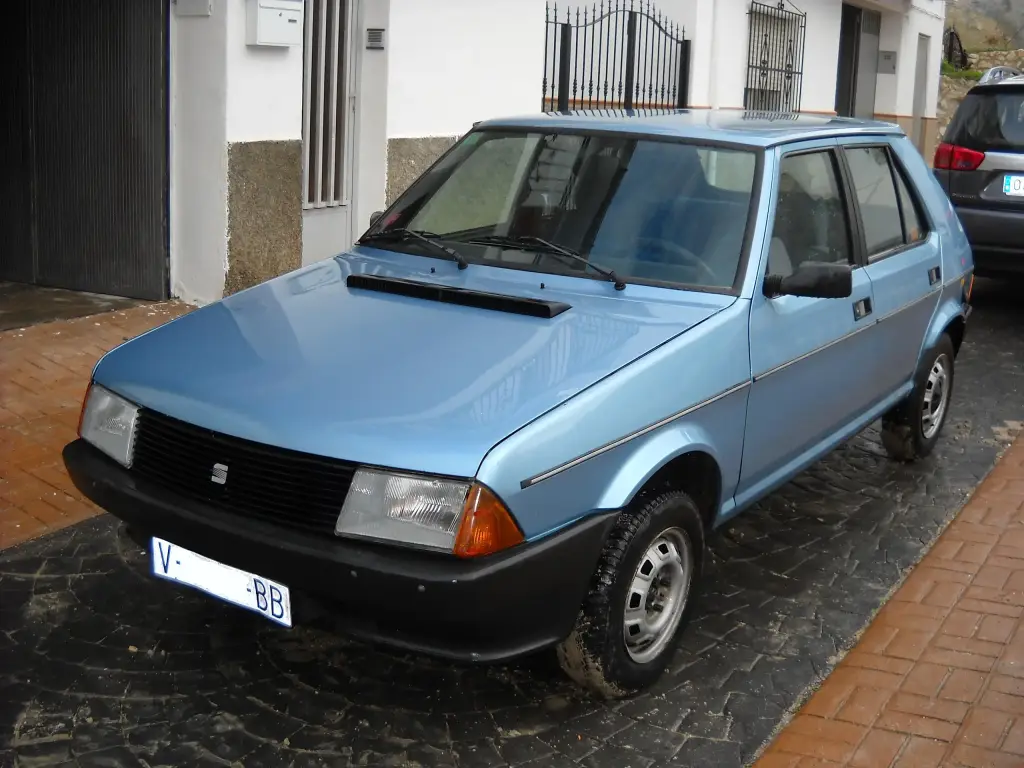
The SEAT Ronda was the car with which SEAT began life without Fiat. A restyled SEAT Ritmo presented in 1982, it was styled by Tom Tjaarda at Rayton Fissore with the Technical Centre at Martorell, was the first SEAT named after a Spanish city, and 177,869 were built before it gave way to the Ibiza generation.
SEAT Ronda at a glance
| Maker | SEAT, Spain |
|---|---|
| Production | 1982–1986 |
| Internal code | 022A |
| Styling | Tom Tjaarda at Rayton Fissore with the Martorell Technical Centre |
| Basis | SEAT Ritmo, restyled |
| Body | five-door hatchback |
| Gearbox | five-speed manual only |
| Boot | 370 l, 1,250 l with the rear seats folded |
| Engines | 1.2, 1.4 and 1.6 petrol; 1.7 diesel; later System Porsche units |
| Rarest version | Ronda Crono 2000, 800 built |
| Built | 177,869 |
This page is based on one source, the English Wikipedia article on the SEAT Ronda.
History of the SEAT Ronda
A car without Fiat
The Ronda was the first SEAT model developed after the split with Fiat, which ended almost thirty years of cooperation in 1982. Under the terms of the agreement SEAT had to restyle its whole range quickly so that its cars could still be sold and looked different from Fiat’s, and the change was marked by a new SEAT logo. The Ronda was a restyled SEAT Ritmo, itself derived from the Fiat Ritmo. The most visible external differences were rectangular headlights in place of the Ritmo’s round ones, different tail lights and panels and changed door handles, while under the skin there were minor changes, mostly Spanish-built engines and parts. The interior was roomier than the Ritmo’s, with a different dashboard and fuller instrumentation, deeper seats, better door panels and more sound insulation, and the Spanish-made transmission was a five-speed manual only. The boot held 370 litres, or 1,250 litres with the rear seats folded.
The dispute with Fiat
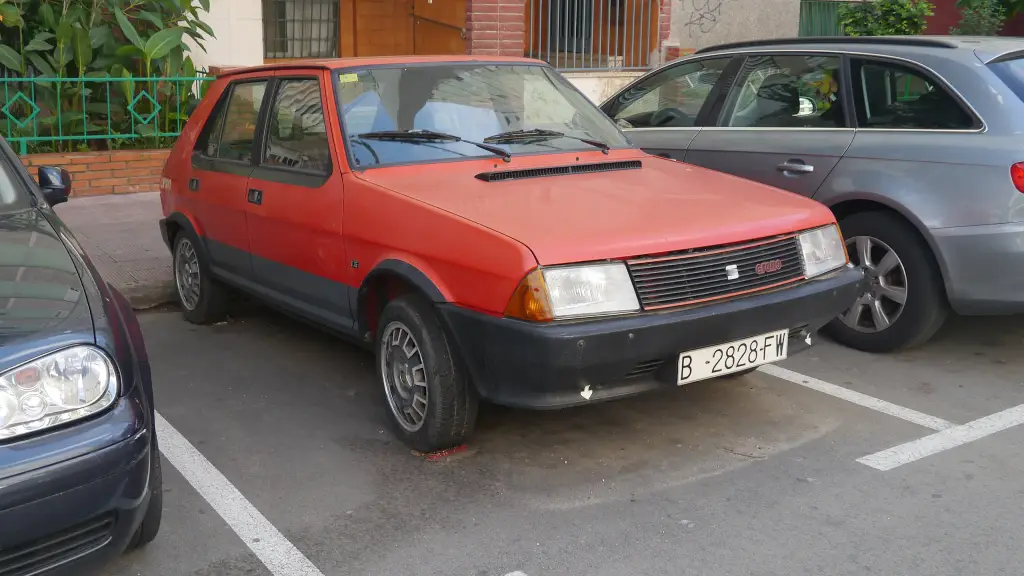
The launch of the Ronda brought a lawsuit from Fiat, which claimed the car was still too similar to its own Ritmo. In defence, SEAT’s then president Juan Miguel Antoñanzas showed the press a Ronda with every part altered from the Fiat Ritmo painted bright yellow to highlight the differences; an El País journalist who covered the case called the result spectacular. The case went to the ICC International Court of Arbitration in Paris, which in 1983 ruled that the differences were substantial enough for the Ronda not to be judged a rebadged Ritmo. SEAT was then free to export the Ronda, and soon afterwards the Fura, although neither sold particularly well outside Spain. Rumour at the time had it that Fiat was angry because the Ronda’s restyling was very close to its own planned facelift for the Ritmo, which it had to scrap. In May 1983 the Dutch magazine Autovisie compared the two: the Ritmo was marginally quicker, lighter and more modern, but the Ronda was five to six per cent cheaper.
Engines, exports and the Ronda P
The Ronda was introduced with locally built engines from the 124 series or a larger twin-cam 1.6, plus a 1.7-litre diesel. Later a version of Fiat’s two-litre engine with a Porsche-developed head, badged System Porsche, was fitted to the rare Ronda Crono 2000, of which only 800 were built. After a facelift in the autumn of 1984 the Ronda received the System Porsche petrol engines developed for the Ibiza and was called the Ronda P, carrying a stylised P on the rear side. Exports began in April 1983 with the first cars delivered to the Netherlands, and sales in Italy, the second export market, started in November. In the United Kingdom the car was briefly sold as the SEAT Málaga hatchback. A liftback version, the Ronda Sport, was presented in 1982 with a boot separated from the passenger compartment, but only two were built; the coachbuilder Emelba made a panel van, the Ronda Poker, and an estate, the Ronda Familiar.
Design and features
- First without Fiat: the model that opened SEAT’s independent era.
- Tom Tjaarda styling: rectangular headlights and a new rear end over Ritmo bones.
- Better cabin: more room, a new dashboard and more sound insulation than the Ritmo.
- System Porsche power: the Ibiza’s engines arrived with the Ronda P of 1984.
SEAT Ronda versions
- Ronda (1982–1984): 1.2, 1.4 and 1.6 petrol engines and a 1.7 diesel.
- Ronda Crono 2000: two-litre System Porsche engine, 800 built.
- Ronda P (1984–1986): facelifted car with the Ibiza’s System Porsche engines.
- Ronda Sport: liftback prototype, two cars built.
- Emelba Ronda Poker and Familiar: van and estate conversions.
The Ronda was the restyled SEAT Ritmo, and its underpinnings were used for the SEAT Ibiza and the SEAT Málaga. More Spanish cars are in the SEAT collection.
Sources
- SEAT Ronda, English Wikipedia: styling, engines, dispute with Fiat, exports, versions