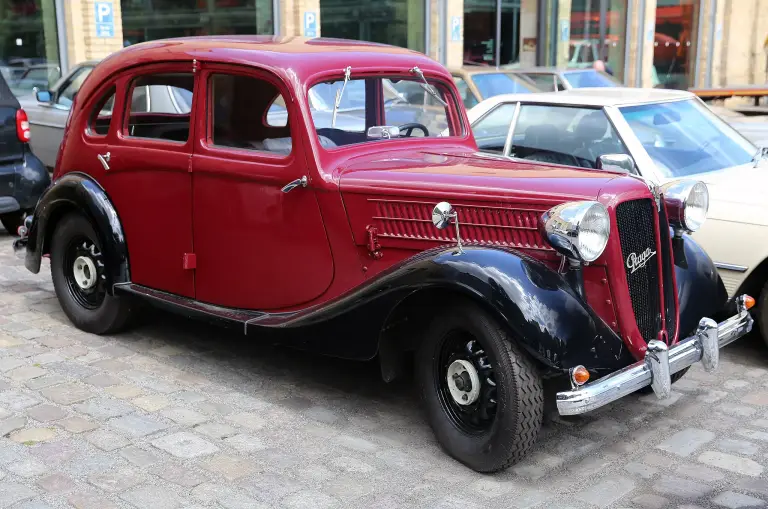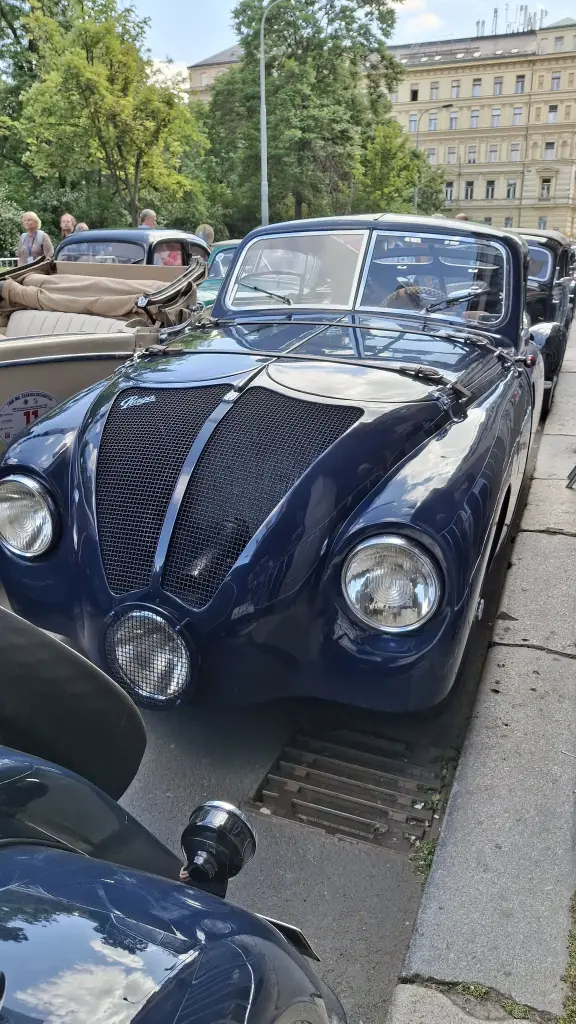
The Praga Piccolo was a small Czechoslovak car of the interwar years, designed by František Kec and built by the Praga automobile department of Českomoravská-Kolben-Daněk between 1924 and 1941. Its wide spread and low price earned it the nickname of the Czechoslovak Ford Model T, and in 1934 it was joined by the larger-engined Super Piccolo.
Praga Piccolo at a glance
| Maker | ČKD–Praga, Prague-Libeň |
|---|---|
| Production | Piccolo 1924–1941, Super Piccolo 1934–1936 |
| Designer | František Kec |
| Series | 36 development series of the Piccolo |
| Piccolo 1933 engine | 1,000 cc, 22 kW |
| Piccolo 1933 price | 26,500 Kč (43,000 Kč in 1925) |
| Larger Piccolo engine | 1,467 cc, 22.4 kW (30 hp), 29,800 Kč |
| Super Piccolo engine | four cylinders, 26 kW (35 hp) |
| Super Piccolo top speed | 100 km/h |
| Super Piccolo consumption | 11–13 l/100 km |
| Super Piccolo price | 46,500 CSK in 1935, 40,800 CSK from summer 1936 |
| Daily output in 1932 | 18–20 cars |
History of the Praga Piccolo
The Piccolo was intended for the broadest layer of the population and became one of the most widespread cars in Czechoslovakia, sometimes called the Czech Ford T. Even in the Depression year of 1932, eighteen to twenty cars left the Libeň works every day. The 1933 Piccolo with a 1,000 cc engine of 22 kW cost 26,500 crowns, against 43,000 crowns for the original 1925 car, while the stronger model with Rudolf Vykoukal’s 1,467 cc engine of 22.4 kW cost 29,800 crowns. Reliable and solidly built, it was the most common Czechoslovak car of the late 1920s and the 1930s, and it stayed in production from 1924 to 1941 in no fewer than 36 development series.
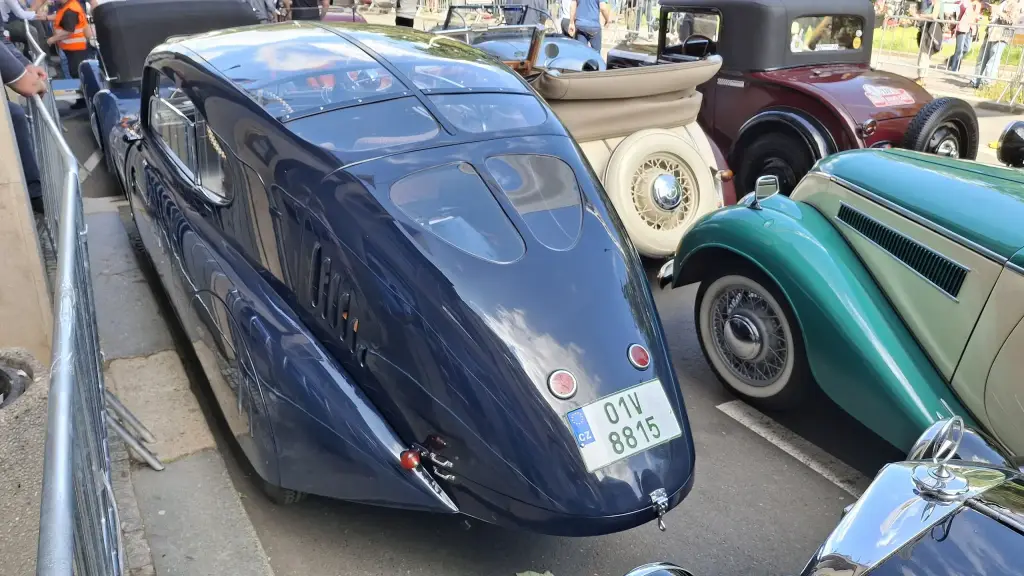
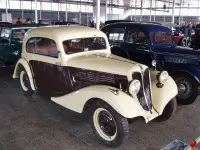
The Super Piccolo was launched at the 1934 Prague Motor Show as a mid-range replacement for the smaller Piccolo, for buyers who did not want the larger Alfa. It used a conventional rectangular frame with an X-shaped stiffener and was at first built only as a four-door sedan. A small number of two-door Sidomka and Sodomka aerodynamic convertibles followed, and at the 1935 Berlin Motor Show Praga added a distinctive aerodynamic sedan with a more curvilinear shape and covered front and rear wheels, built alongside the standard car.
The Super Piccolo was powered by a four-cylinder engine of 26 kW (35 hp), reached 100 km/h and used between 11 and 13 litres per 100 km. It was instantly popular, with over 500 sold in 1934, but it was expensive: the standard car cost 46,500 CSK in 1935 and the aerodynamic sedan the same, and although the price of the standard car fell to 40,800 CSK in the summer of 1936, production stopped before the end of that year. The Piccolo itself lived on until 1941, by which time the last models had moved some way from the original idea of a small, cheap car.
Design and features
- Mobility for the many: a low price and long production made the Piccolo the most common car in interwar Czechoslovakia.
- Many series: 36 development series over seventeen years, with engines from 1,000 to 1,467 cc.
- Super Piccolo performance: 35 hp, 100 km/h and 11–13 l/100 km from a 1.7-litre four.
- Aerodynamic option: a streamlined sedan with covered wheels shown at Berlin in 1935.
Praga Piccolo versions
- Piccolo (1924–1941): the original small car, 36 series, later models with 1,000 and 1,467 cc engines.
- Super Piccolo sedan (1934–1936): the standard four-door body.
- Super Piccolo aerodynamic sedan (1935–1936): curvilinear body with covered front and rear wheels.
- Sidomka and Sodomka convertibles: a small number of two-door aerodynamic open cars.
- Praga Lady: the Piccolo 307’s successor, which took over the Piccolo’s place in the range.
The Piccolo was replaced in the range by the Praga Lady, and it sat below the Praga Alfa. More cars are in the Praga collection.
Video: Praga Piccolo 1930
Video on YouTube.
Sources
- Praga Super Piccolo, English Wikipedia: launch, bodies, performance, prices, production
- Praga Piccolo, Czech Wikipedia: history, daily output, prices, series