The Peugeot 308 is a small family car that Peugeot unveiled in June 2007 and launched that September as the replacement for the 307. The first generation used the 307’s chassis under new bodywork; a second generation followed in 2013.
Peugeot 308 at a glance
| First generation | T7, 2007–2013 |
|---|---|
| Unveiled | June 2007, on sale September 2007 |
| Platform | modified 307 chassis |
| Drag coefficient | 0.29, 0.28 after the 2011 facelift |
| Euro NCAP | five stars |
| Bodies | hatchback, SW estate, CC cabriolet, Chinese saloon |
| GTi (2010) | 1.6 turbo, 200 bhp |
| Plants | Mulhouse and Sochaux, plus Kaluga and El Palomar |
| Facelifts | March 2011, and 2015 for South America |
| Record | 3.13 l/100 km average over 14,580 km for the 308 HDi |
History of the Peugeot 308
Design and packaging
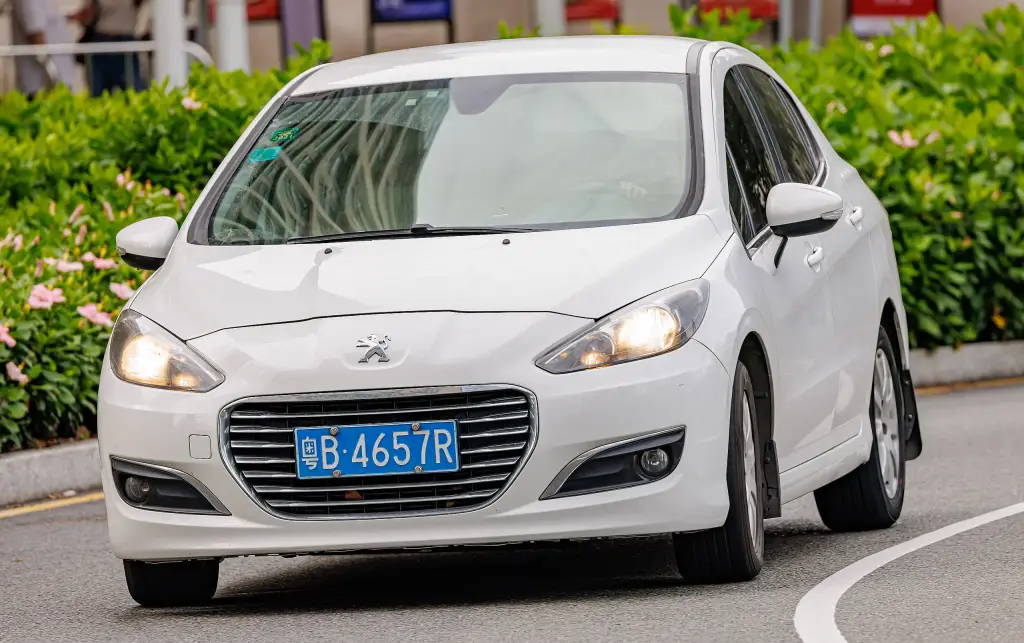
The 308 replaced the 307 in most markets and was based on the old car’s chassis with new, slightly longer and wider bodywork. Developed as Project T7, it had a drag coefficient of 0.29 and a five-star Euro NCAP rating, and the facelift of March 2011 reduced drag to 0.28. During its production the 308 HDi held the Guinness record for the most fuel-efficient mainstream car, averaging 3.13 l/100 km over 14,580 km, although Peugeot fell foul of British advertising rules for quoting 126 mpg in an advertisement.
The car was built at Mulhouse and Sochaux in France, at Kaluga in Russia from 2010 and at El Palomar in Argentina from 2011. In right-hand-drive markets it drew criticism because the wiper mechanism was unchanged from the left-hand-drive design, leaving a large unwiped area at the top of the driver’s side of the windscreen.
Bodies
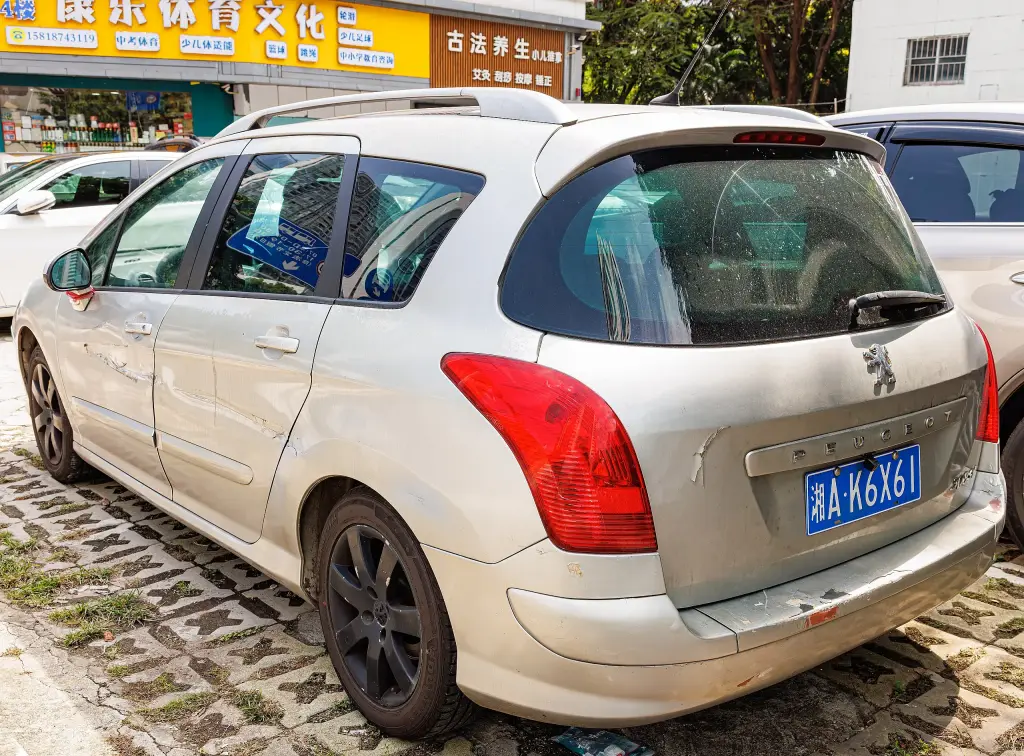
The 308 was sold as a five-door hatchback, with a three-door in a few markets. In May 2010 Peugeot announced the return of a GTi, called GT in Britain, with a turbocharged 1.6-litre engine of 200 bhp. A station wagon concept, the 308 SW Prologue, was shown at Frankfurt in 2007, and the production SW appeared at Geneva in March 2008 and went on sale that summer in five or seven-seat form.
The 308 CC replaced the 307 CC in February 2009. Its folding hardtop went into the boot in twenty seconds and could be operated at up to 12 km/h; boot space was 465 litres with the roof up and 266 with it down. In September 2011 Peugeot presented a four-door saloon for China, built by Dongfeng on the facelifted car with a large front grille, more chrome and different LED tail lights. It sold 160,000 cars in three years and sat below the 408 in China.
Facelifts and concepts
A facelifted 308 was released in May 2011 after the Geneva show, with a new front end and minor changes at the rear, and Peugeot added the 308 e-HDI micro-hybrid with stop-start, energy recovery under deceleration and a battery that supplied extra energy at start-up; the SW and CC received the same changes. Because the EMP2 platform was never industrialised in South America, the first-generation 308 stayed on sale there and received a second facelift in 2015 with a front bumper inspired by the 308 II and a touchscreen in place of the radio. Argentine production continued until 2021.
Bosch announced in June 2007 that it was supplying hybrid diesel-electric technology for the 308; a prototype was shown at Frankfurt that year and a Prologue concept at Paris in 2008, with a 1.6 HDi driving the front wheels and an electric motor the rear. The 308 RCZ coupé concept, 18 mm lower than the standard car, was shown at Frankfurt in 2007 and became the production RCZ, without the 308 name, at Frankfurt in 2009.
Design and features
- 307 chassis: the old platform with completely new bodywork.
- Low drag: 0.29, reduced to 0.28 with the 2011 facelift.
- Fuel record: 3.13 l/100 km average over 14,580 km for the HDi.
- 308 CC: a roof that folds in twenty seconds up to 12 km/h.
- e-HDI: stop-start and energy recovery from 2011.
Peugeot 308 versions
- Hatchback (2007): five-door, with a three-door in some markets.
- 308 SW (2008): estate in five or seven-seat form.
- 308 CC (2009): coupé cabriolet with a folding hardtop.
- GTi / GT (2010): 1.6 turbo, 200 bhp.
- Chinese saloon (2011): four-door built by Dongfeng.
The 308 replaced the Peugeot 307 and sits under the 508 and above the 208. Its coupé concept became the RCZ. More in the Peugeot collection.
Video: Peugeot 308 – Der neue 308 – Motorvision
Video by on YouTube.
Sources
- Peugeot 308, English Wikipedia: design, bodies, engines, facelifts, concepts