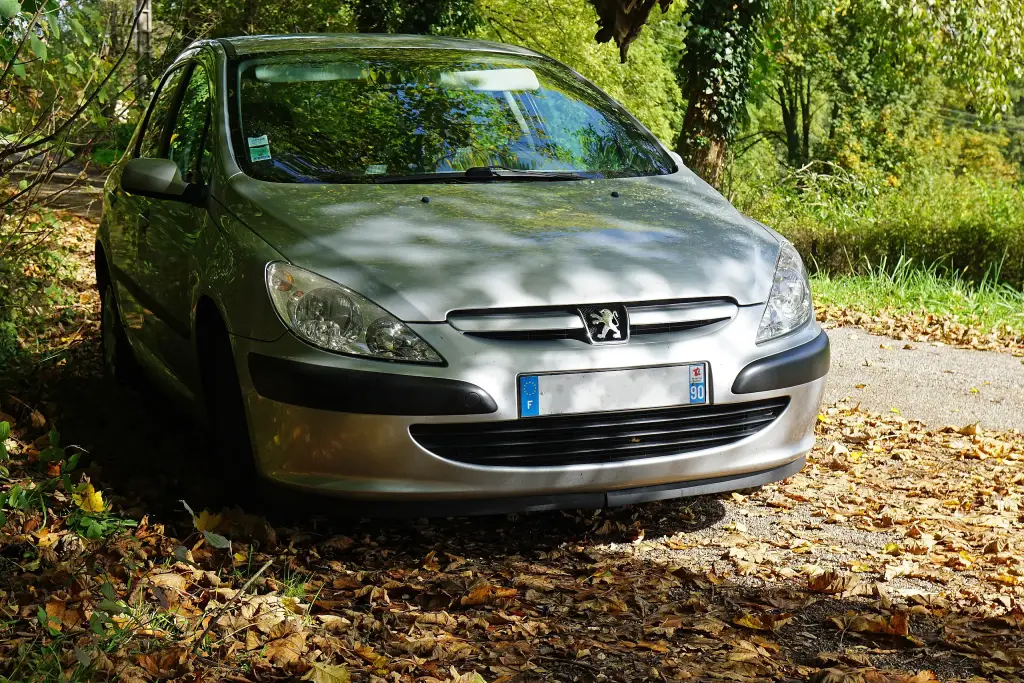
The Peugeot 307 is a small family car that PSA Peugeot Citroën built from 2001 to 2008 in Europe, as the successor to the 306. It used the PSA PF2 platform and was European Car of the Year for 2002.
Peugeot 307 at a glance
| Production | 2001–2008 in Europe, 2014 in China |
|---|---|
| Launched | 26 April 2001 |
| Platform | PSA PF2, a reworked 306 platform |
| Height | 1,510 mm |
| Award | European Car of the Year 2002 |
| Bodies | three and five-door hatchback, Break, SW, CC, Chinese saloon |
| Petrol engines | 1.4 75 and 90 PS, 1.6 110 PS, 2.0 136 to 177 PS |
| Diesel engines | 1.4 HDi 68 PS, 1.6 HDi 90 and 109 PS, 2.0 HDi 90 to 136 PS |
| CC launched | August 2003 |
| Facelift | June 2005 |
History of the Peugeot 307
Launch
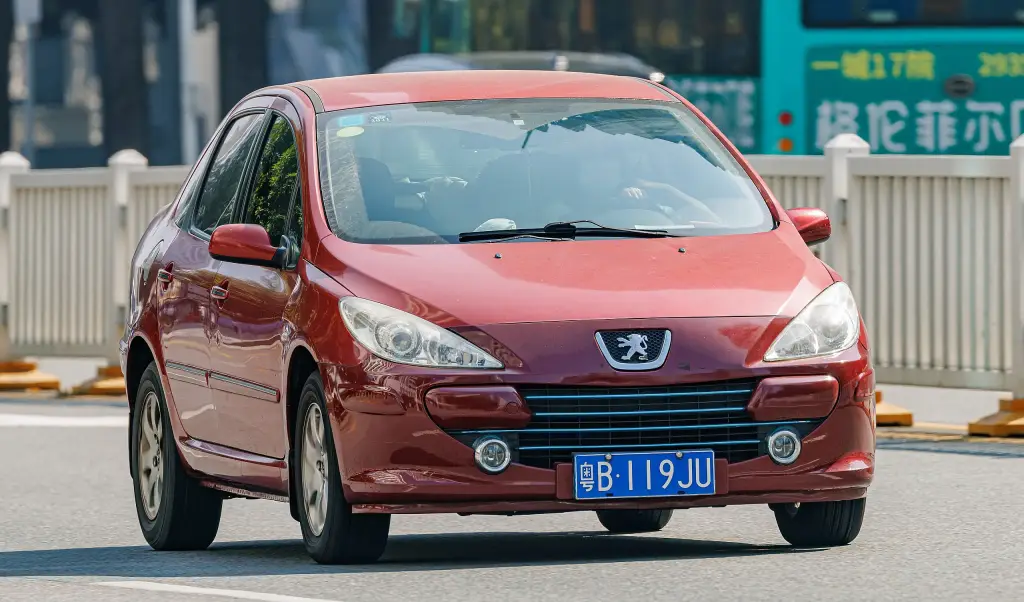
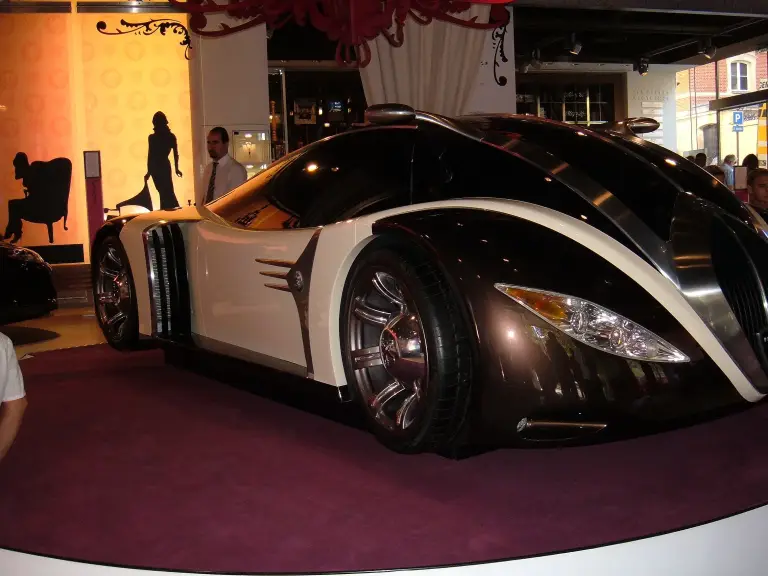
The 307 was announced as the 307 Prométhée prototype at the Paris Motor Show in 2000, and the production hatchbacks reached Europe on 26 April 2001. It was also sold in Australia, New Zealand, Asia and Mexico, and in Brazil with 1.6 and 2.0 flex-fuel engines.
Design
The car used a reworked 306 platform, also found under the Citroën Xsara and the 1991 ZX, but was larger than the 306 in every direction. It continued the styling first seen on the 206 and 607: upswept headlights, a steeply rising bonnet, a heavily raked windscreen and upright rear doors. That departed from the Pininfarina themes used from the 205 to the 406. At 1,510 mm tall it sat between small family cars at 1,400 to 1,450 mm and compact MPVs at 1,600 to 1,650 mm, and some writers treated it as a low MPV rather than a tall hatchback.
Road tests and facelift
In June 2001 Top Gear magazine compared the 307 1.6 16v with the Ford Focus 1.6 and Honda Civic 1.6 VTEC; the Peugeot won on price, space, handling, running costs and refinement, with the Focus second and the Civic third. In June 2005 the car was revised to meet newer rivals: the lights were modified, the bonnet was new, the instrument cluster was updated and the trademark Peugeot grille between the headlights was removed, giving the front a larger air intake of the kind first seen on the 407.
Bodies
The 307 was launched as a three and five-door hatchback, and in February 2002 two estates joined the range, the Break and the SW. They look almost identical, but the SW had silver roof bars and a long panoramic glass roof as standard and could be ordered with a third row of removable seats, making it more flexible than the conventional Break estate. Peugeot did not build a compact MPV like the Citroën Xsara Picasso, preferring the SW. There was no saloon for Europe, but one was designed for China and Latin America, launched in China in June 2004 and built by Dongfeng Peugeot-Citroën; it was also assembled in Argentina from May 2006 to November 2010. The 307 CC, a coupé cabriolet with a retractable hardtop, arrived in August 2003. Chinese production ended in 2014.
Engines
Petrol engines ran from the 1.4 TU3 of 75 PS and a 1.4 16-valve of 90 PS, through the 1.6 16-valve of 110 PS, to 2.0 EW10 units of 136, 140 and 177 PS; a 1.6 BioFlex able to run on E85 followed from September 2007. Diesels were the 1.4 HDi of 68 PS, 1.6 HDi units of 90 and 109 PS and 2.0 HDi units from 90 to 136 PS. In January 2006 Peugeot announced a diesel-electric hybrid prototype for the 307 capable of 3.4 l/100 km, but it was not intended for sale before 2010, by which time the car had been replaced.
Design and features
- PF2 platform: a reworked 306 base shared with Citroën models.
- Tall body: 1,510 mm, between a hatchback and a compact MPV.
- SW estate: panoramic glass roof and an optional third row of seats.
- 307 CC: coupé cabriolet with a folding hardtop from 2003.
- 2005 facelift: the new wide-mouth front that became the Peugeot look.
Peugeot 307 versions
- Hatchback: three and five-door, the original body.
- 307 Break (2002): the conventional estate.
- 307 SW (2002): glass roof and three rows of seats as an option.
- 307 CC (2003): coupé cabriolet with a retractable hardtop.
- Chinese saloon (2004): four-door for China.
The 307 replaced the Peugeot 306 and was replaced by the 308 in 2007, which used the same platform. More in the Peugeot collection.
Video: 2001 Peugeot 307 – Test Drive
Video by on YouTube.
Sources
- Peugeot 307, English Wikipedia: launch, design, bodies, engines, facelift