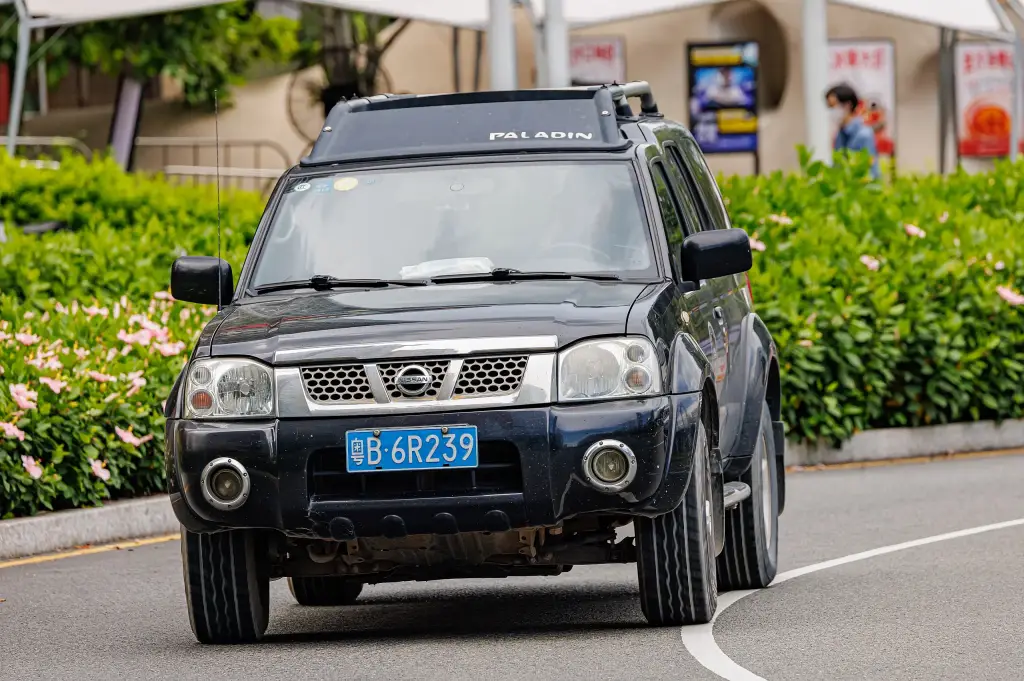
The Nissan Xterra was a truck-based compact SUV built from 1999 to 2015 in two generations, and is planned to return in 2028. The name was licensed from the XTERRA off-road triathlon series. Nissan positioned the car as functional outdoor gear, summarised by the slogan “Everything You Need, Nothing You Don’t”.
Nissan Xterra at a glance
| Production | 1999–2015 |
|---|---|
| First generation | WD22, 1999–2004 |
| Second generation | 2005–2015 |
| Platforms | D22 Frontier, then the F-Alpha platform |
| Base engine | 2.4-litre KA24DE four, 143 hp |
| Optional engine | 3.3-litre VG33E V6, 170 hp |
| Drive | rear-wheel drive or part-time four-wheel drive |
| Gearbox | five-speed manual or four-speed automatic |
| Built at | Smyrna, then Canton; also Brazil and China |
| Roof rack | standard, rated to 125 lb with a removable gear basket |
| Planned return | 2028 |
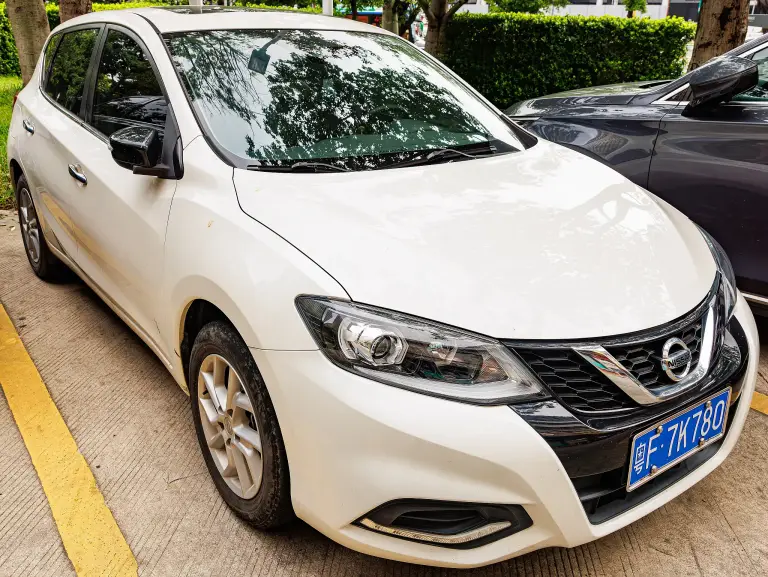
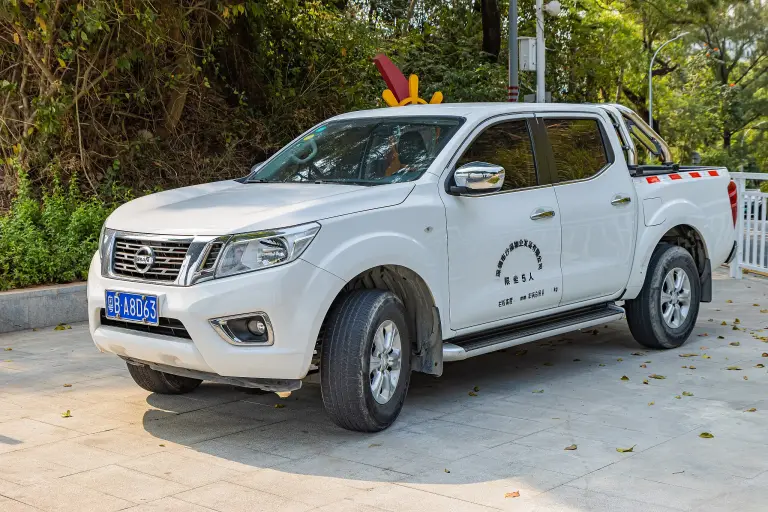
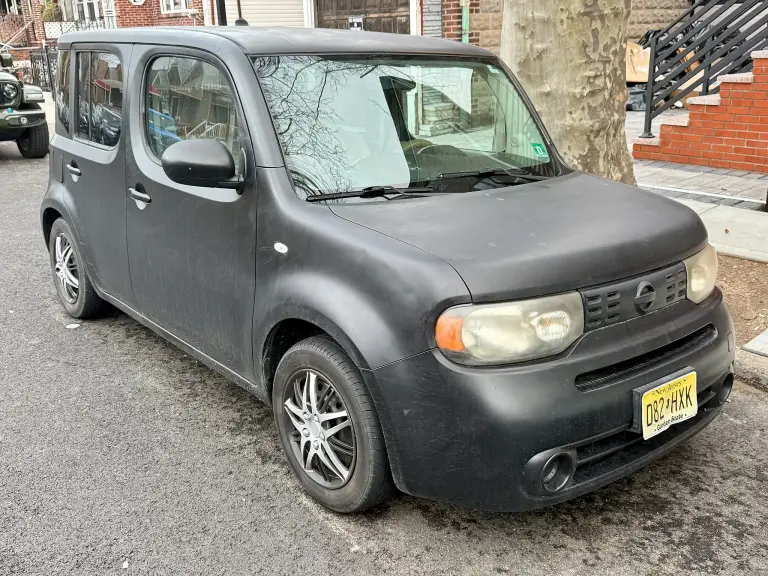
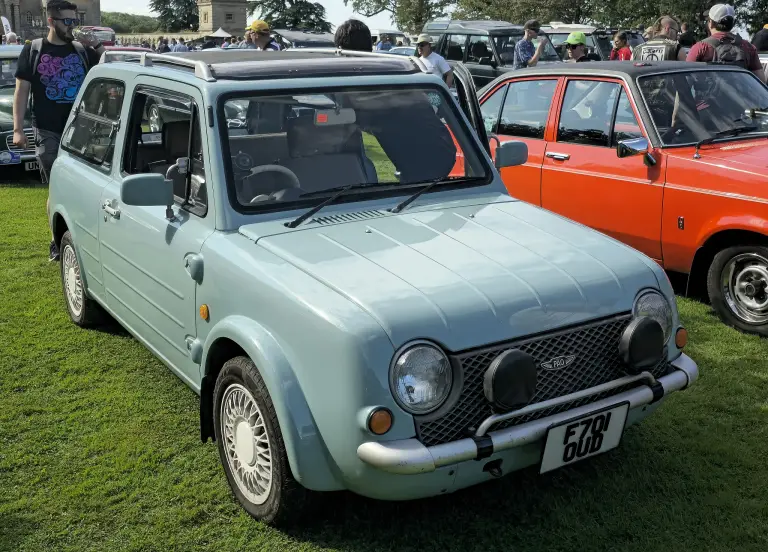
based on one source: the English Wikipedia article on the Nissan Xterra; the free photographs show the Paladin, the Chinese version of the same car.
History of the Nissan Xterra
An American Nissan
The Xterra was developed in La Jolla, California, by Nissan Design International under its then design director Tom Semple, and became the first Nissan completely conceived, developed and manufactured in the United States. Jerry Hirshberg, president of NDI, said the impetus was to create “an affordable, rugged, quality piece of equipment”, and later called it “a garage tool that says, ‘treat me rough’ — it’s designed to look better dirty than clean.” Road & Track described it as “an honest SUV that doesn’t try to be a luxury car alternative”.
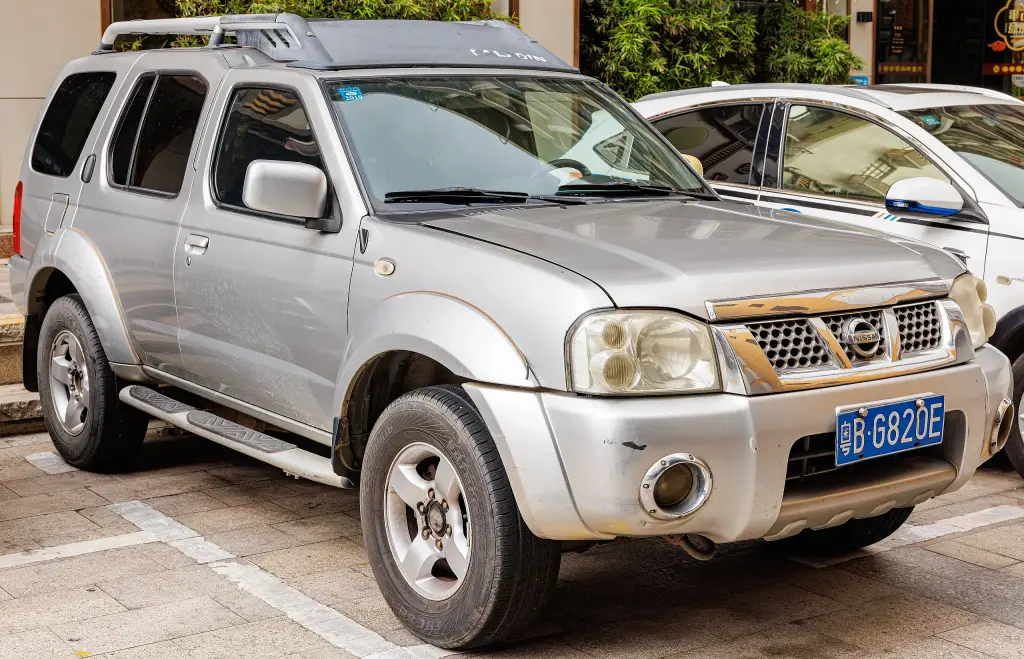
WD22 (1999)
The first generation shared a platform and much of its body from the front doors forward with the D22 Frontier pickup. It was introduced in North America for the 2000 model year in XE and SE trims. The base XE had the 143 hp KA24DE four, rear-wheel drive, a five-speed manual, steel wheels and a roof rack rated for up to 125 lb; a 170 hp 3.3-litre VG33E V6, four-speed automatic and part-time four-wheel drive were options. The SE came with equipment that was optional on the XE, including four-wheel drive, side step rails and a moonroof. All cars had removable, tab-secured rear seat cushions so the rear seat back folded flat. Canadian cars from 1999 to 2004 came only with the V6 and part-time four-wheel drive.
The Xterra look
Both generations used a two-box design with a prominent two-tier roof for stadium seating in the second row, rear door handles mounted in the C-pillar, an asymmetrical rear window and a tailgate bump-out housing an inside-mounted first-aid kit. A roof rack with a removable forward gear basket was standard. The second generation of 2005 used the F-Alpha platform shared with the Frontier and Pathfinder. First-generation cars were built at Smyrna with engines from Decherd, and second-generation cars at Canton, with variants also made in Brazil and China, where the same SUV was sold as the Nissan Paladin.
Design and features
- Two-tier roof: raised rear section for second-row stadium seating.
- C-pillar handles: rear door handles hidden in the pillar trim.
- Gear basket: a removable forward basket on the standard roof rack.
- First aid kit: housed in the tailgate bump-out.
Nissan Xterra versions
- Xterra XE (2000–2004): the base car with the KA24DE four.
- Xterra SE (2000–2004): four-wheel drive, step rails and moonroof.
- Xterra second generation (2005–2015): on the F-Alpha platform.
- Nissan Paladin: the Chinese version of the same SUV.
The Xterra was built on the Frontier platform, and its role passed to the Rogue and the Pathfinder. More cars are in the Nissan collection.
Video: 2015 Nissan Xterra PRO-4X Review, Walkaround, Exhaust & Test Drive
Video by YouTube on YouTube.
Sources
- Nissan Xterra, English Wikipedia: design brief, platforms, WD22 engines and trims, styling features, plants