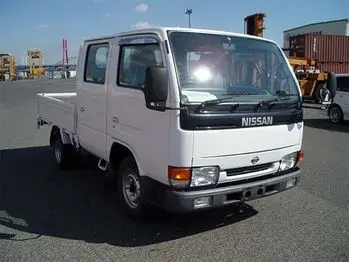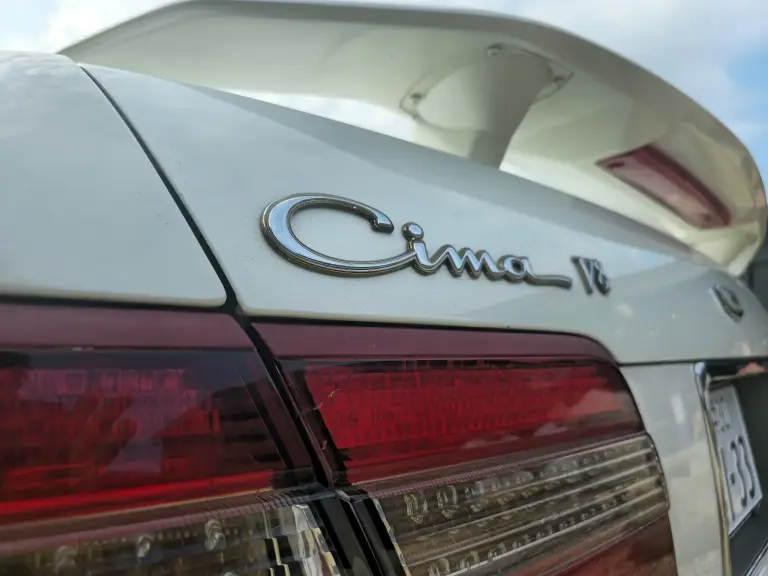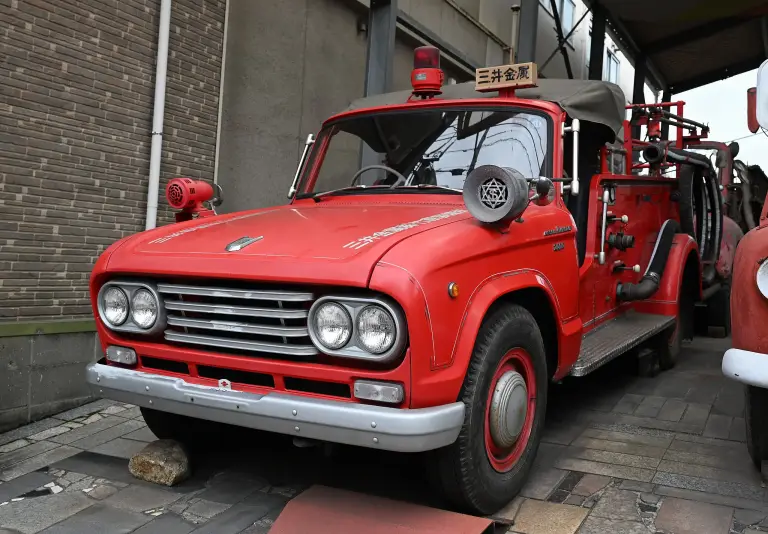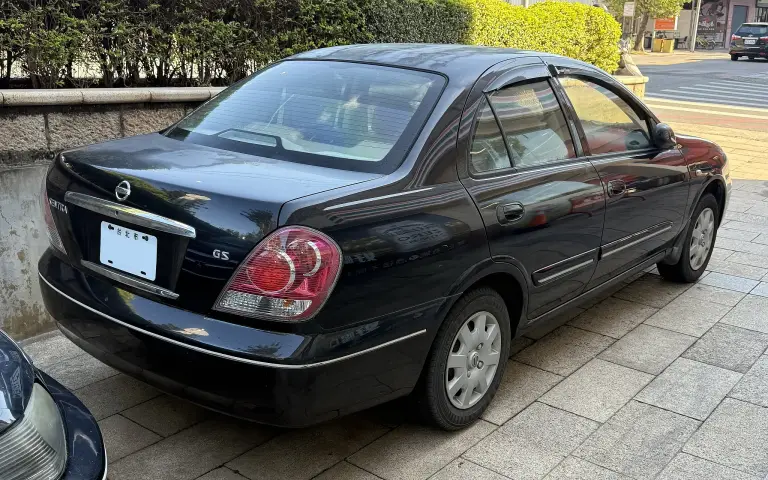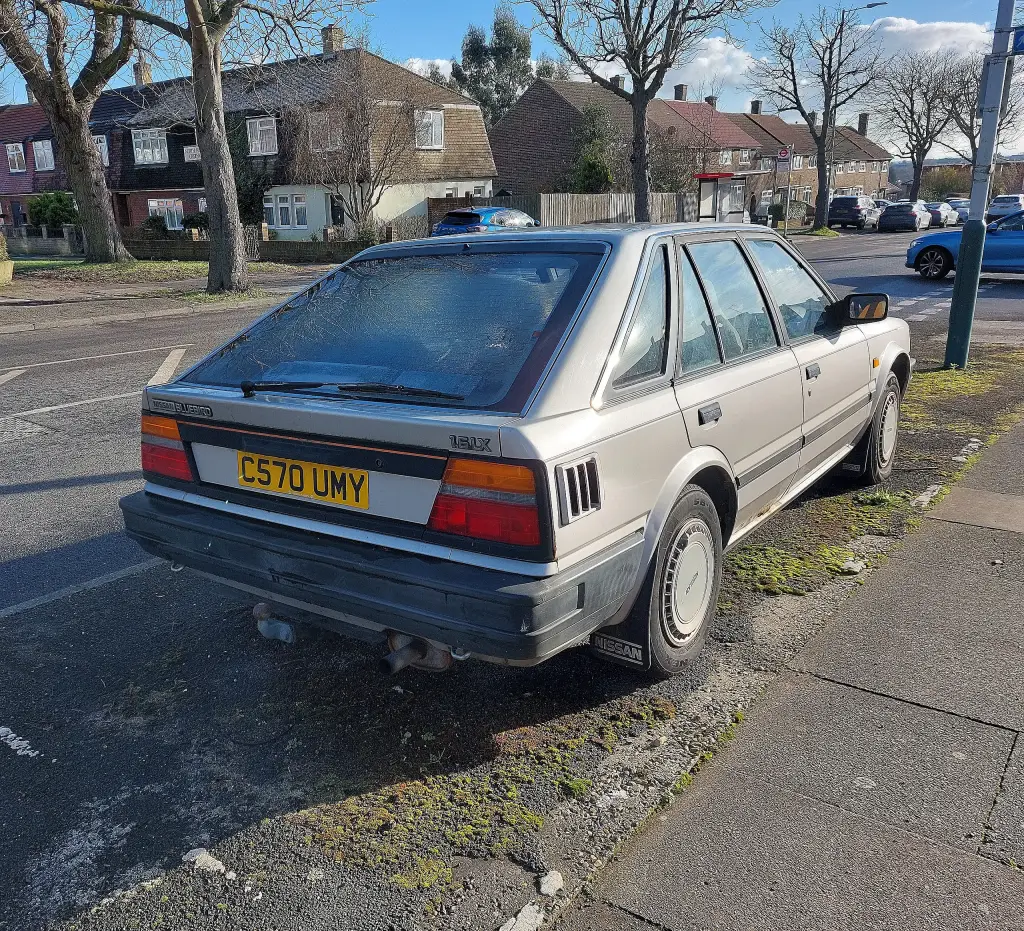
The Nissan Bluebird was a compact car produced between 1955 and 2007, with the model name itself introduced in 1957. It was Nissan’s most internationally recognised sedan, known for dependability in several body styles, and its traditional rival was the Toyota Corona. Every generation could be ordered as a taxi, a duty it shared with the base Nissan Cedric.
Nissan Bluebird at a glance
| Production | 1955–2007 |
|---|---|
| Model name introduced | 1957 |
| Type | compact car, several body styles |
| Main rival | Toyota Corona |
| Early export names | Datsun 1000, Datsun 1300, Datsun 510, Datsun 180B |
| Nissan nameplate abroad | from about 1982 |
| Australian line | Pintara from 1986 |
| US successors | Stanza, then Altima from 1992 |
| Six-cylinder offshoot | Maxima, originally the Datsun 810 |
| Taxi use | every generation |
based on one source: the English Wikipedia article on the Nissan Bluebird; the collected material covers the introduction and export history, so later generations are described only briefly.
History of the Nissan Bluebird
A long-running nameplate
The Bluebird is one of the longest-running nameplates from a Japanese carmaker, in production for more than five decades and offered as a taxi in every generation. It competed directly with the Toyota Corona, which Toyota had developed to keep a taxi-capable sedan as the Crown grew larger.
Names in export markets
Export versions were first sold as Datsuns named by engine size — Datsun 1000, Datsun 1300 and so on — and also as the Datsun 510, Datsun 180B (with 160B and 200B versions) and Datsun Bluebird. The Nissan Bluebird name began to appear abroad around 1982 as the Datsun marque was phased out. In the United States the car was a Datsun until the 510, which was sold by its internal code, then the Nissan Stanza in the 1980s and finally the Nissan Altima in 1992. In Europe the Bluebird sold between 1986 and 1990 was in fact a rebadged Nissan Auster, replaced by the Primera in 1990.
Related lines
A six-cylinder version called the Maxima, originally the Datsun 810, appeared in the 1980s and became a model in its own right. In Australia the Bluebird name was used from 1981 to 1985, with a facelifted rear-wheel-drive version for 1984 and 1985; it was replaced in 1986 by the Pintara, which also carried the Bluebird name until 1992 and was rebadged for Ford Australia as the Ford Corsair under the Button Plan.
Design and features
- Fifty-year run: in production from 1955 to 2007.
- Taxi duty: every generation could be ordered as a taxi.
- Export names: Datsun 1000 to 180B, Stanza, Altima and Pintara.
- Six-cylinder offshoot: the Maxima began as a Bluebird derivative.
Nissan Bluebird versions
- Datsun-badged Bluebirds: exported by engine size, up to the 510 and 180B.
- Nissan Bluebird (from 1982): the name used in export markets.
- Nissan Pintara (1986–1992): the Australian line, also sold as the Ford Corsair.
- Nissan Stanza and Altima: the American successors.
- Nissan Maxima: the six-cylinder derivative.
The Bluebird line led to the Altima and the Maxima, and in Australia to the Pintara. More cars are in the Nissan collection.
Sources
- Nissan Bluebird, English Wikipedia: production years, rival, export names, related lines