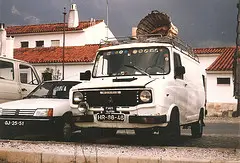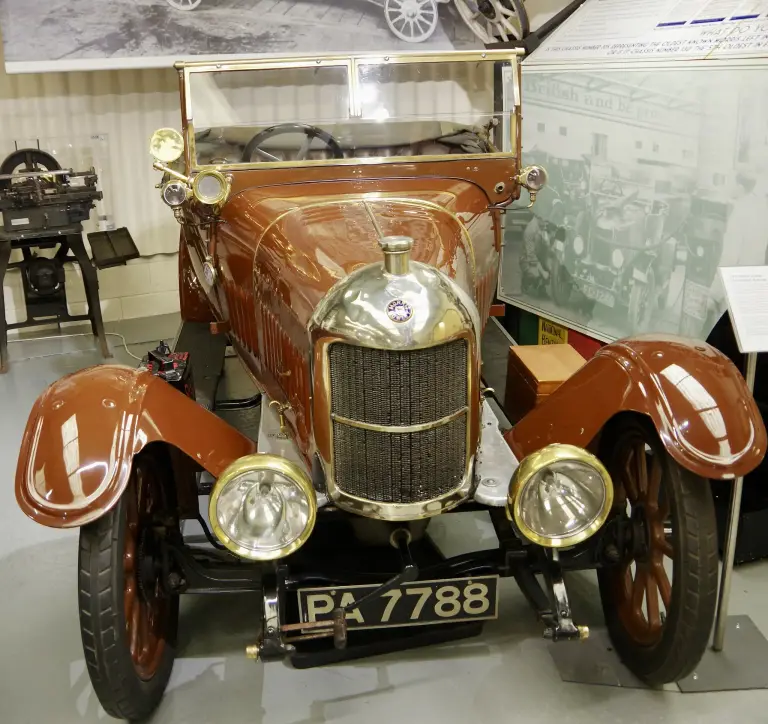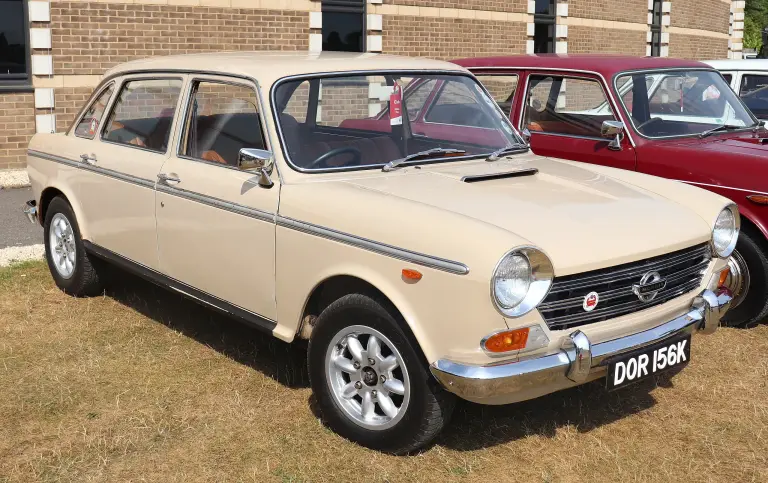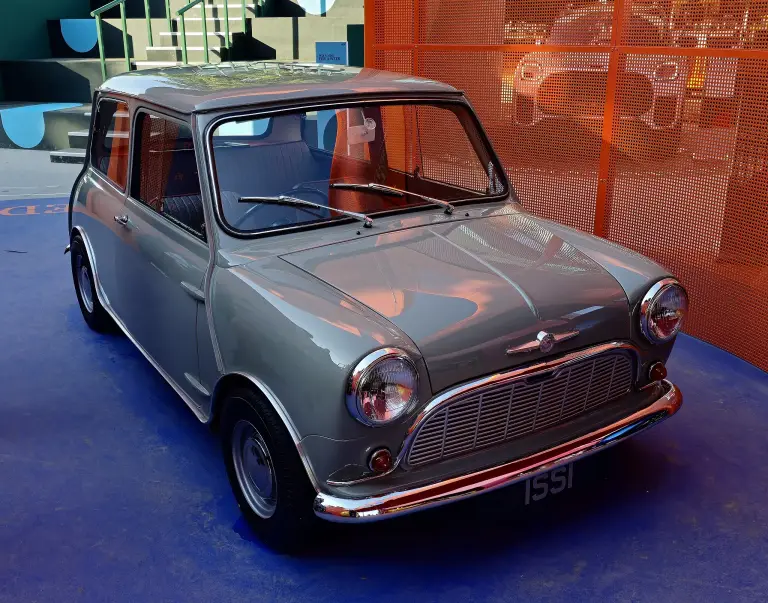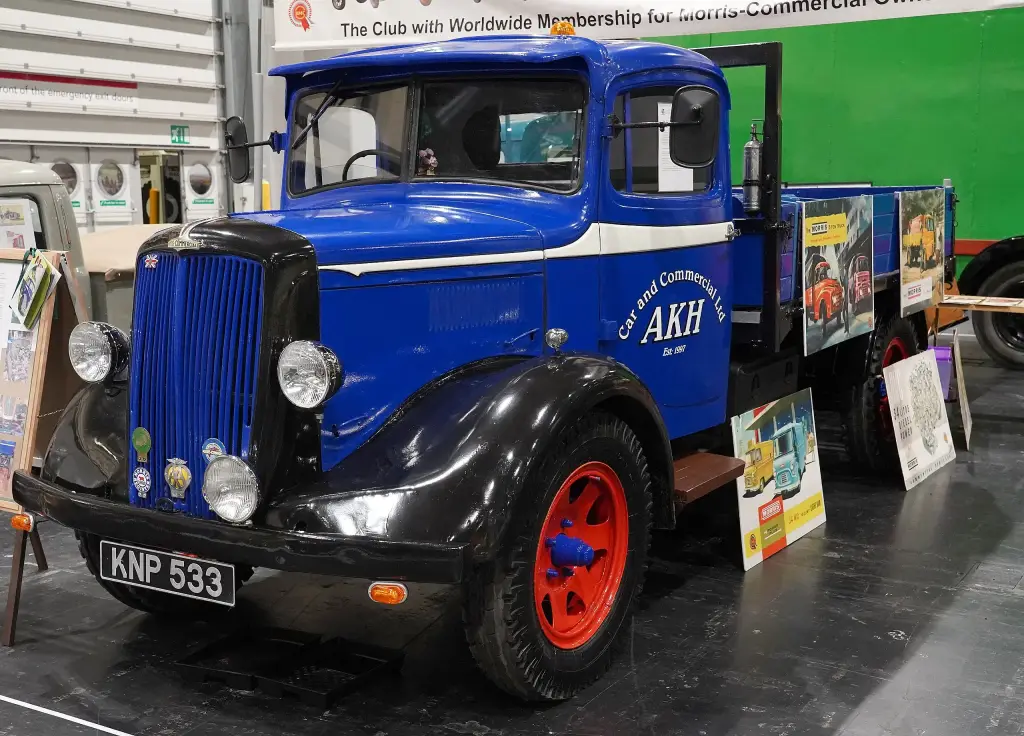
Morris Commercial Cars Limited was set up by William Morris to build lorries, vans and taxis under his own name. Formed in 1924 from the bought-up business of an axle maker, it grew into one of Britain’s main commercial-vehicle makers before disappearing inside British Leyland in 1968.
Morris Commercial at a glance
| Founded | 1924, by William Morris |
|---|---|
| Taken over | E. G. Wrigley and Company of Soho, Birmingham |
| First factory | Foundry Lane, Soho, Birmingham |
| Moved | 1932, to the former Wolseley works at Adderley Park |
| Into Morris Motors | 1936 |
| Badge slogan | “British to the Backbone”, 1934–1945 |
| Brand ended | 1968, with the formation of British Leyland |
| Wartime types | C8 Quad, CS8 15-cwt truck, Terrapin |
| Post-war vans | J-type, J2, J4, 250 JU |
| Light trucks | FF of 1958, WF, FJ of 1964, FG |
| Revived | 2017 as an electric J-type project |
Based on the English Wikipedia article on the company, which covers the LD, FJ, FE, FM and FG vans only briefly.
History of the Morris Commercial
Before 1924 only small numbers of commercial versions of Morris cars were made at Cowley. That year Morris bought the assets of E. G. Wrigley and Company, an axle manufacturer in Soho, Birmingham, which had gone into liquidation in 1923, and serious production of Morris Commercial vehicles began at Foundry Lane. In 1932 the business moved across Birmingham to the former Wolseley factory at Adderley Park. To answer the American Ford and Bedford truck brands, the radiator badge of 1934 and 1935 carried the words ‘British to the Backbone’, a slogan that lasted until the end of the war. In 1936 Morris sold the company into Morris Motors Limited.
Wartime
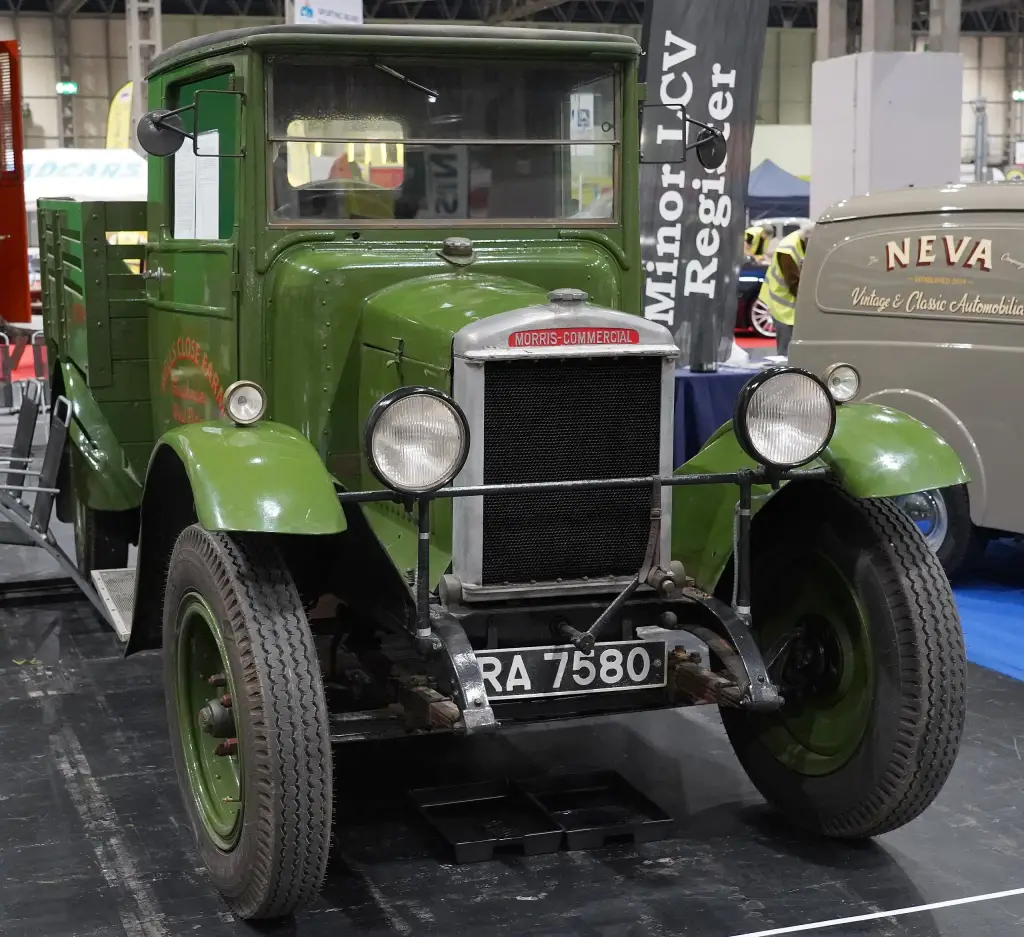
Morris Commercial built military vehicles during the war, including the C8 field artillery tractor known as the Quad and the CS8 15-cwt truck, and it also produced the Terrapin amphibious carrier. The civilian range continued afterwards with the FV, the J-type van of 1949, the FR and the WE and WF trucks, and then the J2 of 1956 and the J4 of 1960.
Light trucks and the end of the marque
The 1960s light trucks included the forward-control FF of 1958 and the WF, which put the driver behind the engine rather than on top of it. The updated FF, the FJ, arrived in 1964 with split-circuit braking, then a novelty in this class, and the two were sold side by side, although Bedford and Ford outsold them at home. The FG was an unusual urban delivery truck whose cab doors were set at an angle at the rear corners so that the crew could get out in narrow streets. Production of the F-series and W-series light trucks moved to the new Bathgate plant in Scotland in 1960, while the vans stayed at Adderley Park until the factory closed in 1971. The Morris Commercial name was used until 1968, when British Motor Holdings merged with Leyland to form British Leyland. The J4 was developed into the Sherpa in 1974 and its descendants survived into the 2000s as the LDV Pilot and Convoy. In 2017 the name was revived for a proposed electric J-type, shown in November 2019.
Design and features
- Own factory: from 1924 Morris built commercials at Soho, then Adderley Park, Birmingham.
- Full range: vans, light trucks, taxis and military vehicles under one badge.
- J-type van: in production from 1949 to 1961, the best known of the company’s vans.
- Technical firsts in its class: the FJ of 1964 had split-circuit brakes.
- Long afterlife: the J4 line led to the Sherpa, the LDV Pilot and the Convoy.
Morris Commercial versions
- J-type (1949–1961): the best-known Morris Commercial van.
- J2 (1956–1967) and J4 (1960–1974): later forward-control light vans.
- FF (1958) and FJ (1964): forward-control light trucks.
- WF and WE: trucks with the driver behind the engine.
- FG: urban delivery truck with angled cab doors.
- 250 JU (1967–1974): the last van of the range.
The company’s best-known vans have their own pages: the J-type, the J4 and the J2. Its most famous military vehicle was the C8 Quad, and more cars are in the Morris collection.
Sources
- Morris Commercial Cars, English Wikipedia: history, plants, vehicle list, taxicabs