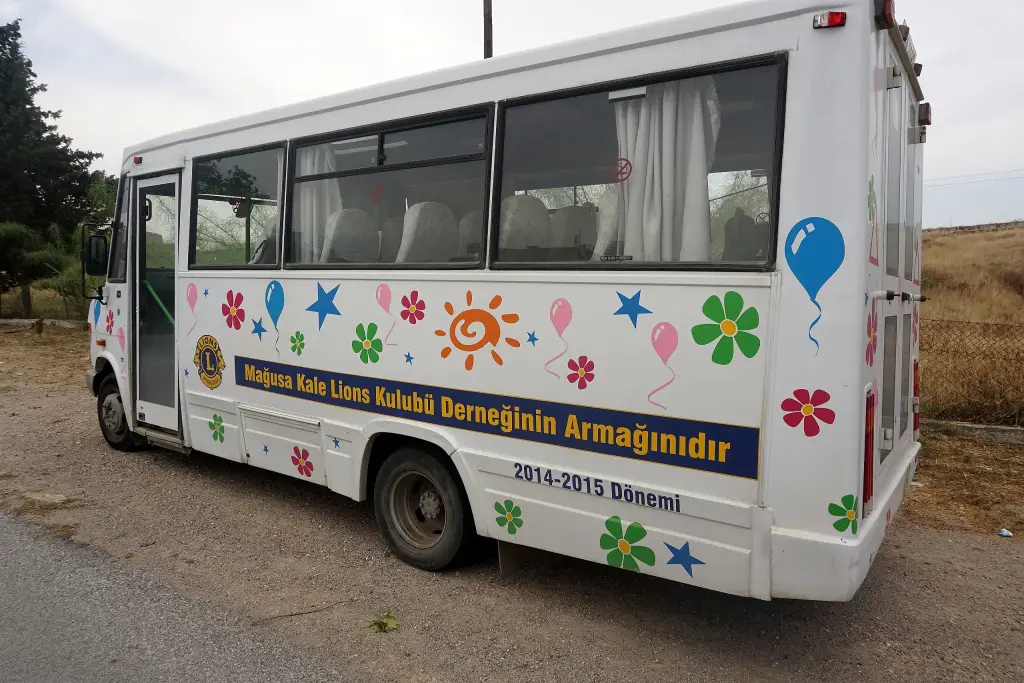
The Mercedes-Benz T2 is a semi-bonneted light commercial vehicle built by Daimler-Benz. It was made in Düsseldorf from 1967 to 1991, which earned it the nickname Düsseldorf Transporter.
Mercedes-Benz T2 at a glance
| First generation | 1967–1986 |
|---|---|
| Second generation | 1986–1996 |
| Plant | Düsseldorf |
| Predecessor | L 319 and L 406 |
| First-generation gross weights | 3.5 to 6.8 tonnes |
| Engines | petrol and diesel, OM314 the most popular, OM352 the most powerful |
| Bodies | panel or glazed van, minibus, light truck with single or double cab |
| Facelift | 1981, with a black plastic grille |
| First-generation total | 496,447 |
| Second-generation models | 609 D, 614 D, 709 D, 711 D, 811 D, 814 D and 510 |
| Replaced by | Mercedes-Benz Vario in 1996 |
This article is based on one source, the English Wikipedia article on the Mercedes-Benz T2.
History of the Mercedes-Benz T2
The T2 was introduced in 1967 as the successor to the L 319 and L 406. Production began with gross weights from 3.5 to 4.6 tonnes, narrow bodies and petrol and diesel engines taken from the passenger cars, but the range soon grew with chassis, longer wheelbases, wider bodies, higher roofs and larger engines. In the end the OM314 was the most popular engine and the OM352 the most powerful, for versions up to 6.8 tonnes. The T2 was built in several countries as CKD kits, and in Brazil and other South American countries it was fitted with a turbo diesel.
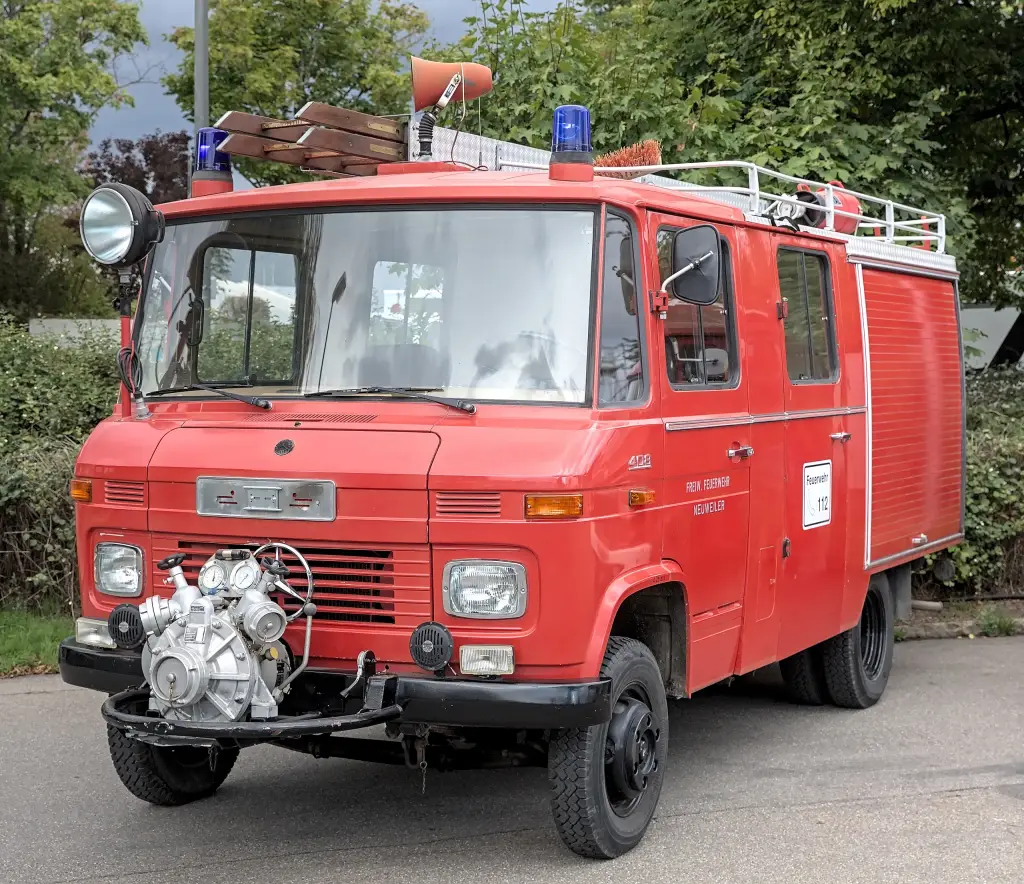
It came as a panelled or glazed van, a more upmarket minibus or a light truck with single or double cab. Drop-side or dumper beds and standard or insulated box bodies with or without freezer units came from the factory, while bare chassis went to outside bodybuilders. The T2 was used for goods distribution, parcel services, notably by the Deutsche Post with sliding front doors on both sides, by fire and rescue services, the military, police, landscapers and builders. After the takeover of Hanomag-Henschel in 1970 a short-lived rebadged version existed, differing only in grille and headlights, and in 1981 the bus received a facelift with a new black plastic grille. After 19 years the van and truck bodies were replaced in 1986, while buses continued a little longer; 496,447 first-generation T2s were built.
The second generation of 1986 to 1996 was significantly upgraded, with a longer bonnet and a sharper, more angular design. Its chassis sold in large numbers in Britain and Ireland during the minibus boom, with models including the 609 D, 614 D, 709 D, 711 D, 811 D, 814 D and the petrol 510, and an LO812 was sold in Australia from the early 1990s. In Argentina the T2 was built until 1997 as the L 710 and the LO 915 chassis for minibuses. In 1996 it was replaced by the Vario, which looked very similar but had new lights, grille, interior, engines and suspension.
Design and features
- Semi-bonneted layout: a short bonnet ahead of the cab.
- Wide range: vans, minibuses, chassis and light trucks.
- Long production: almost thirty years in two generations.
- Many markets: built in Germany, Argentina and other countries.
Mercedes-Benz T2 versions
- First generation (1967–1986): 496,447 built.
- Hanomag-Henschel version: a short-lived rebadged model.
- Second generation (1986–1996): longer bonnet, models from 609 D to 814 D.
- LO812 and LO915: bus chassis for Australia and Argentina.
The T2 came after the T1 and was replaced by the Vario; its larger relative was the Sprinter generation that came later. More in the Mercedes-Benz collection.
Sources
- Mercedes-Benz T2, English Wikipedia: generations, engines, bodies, production