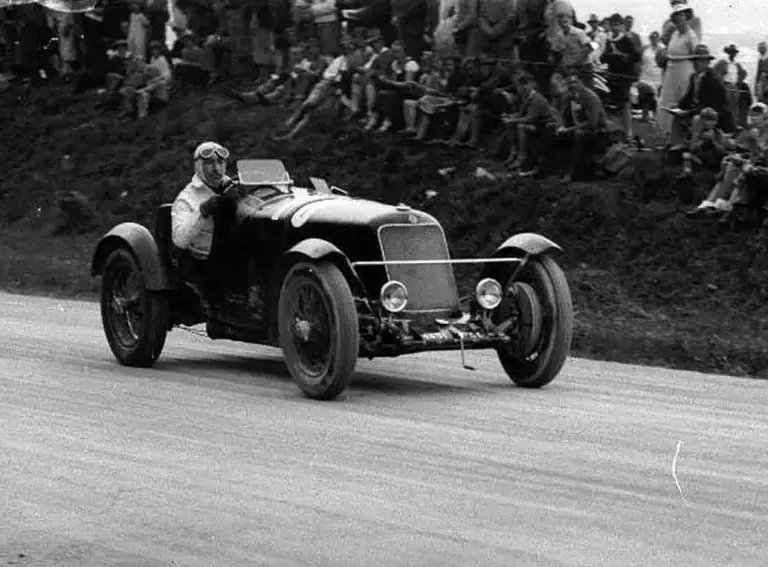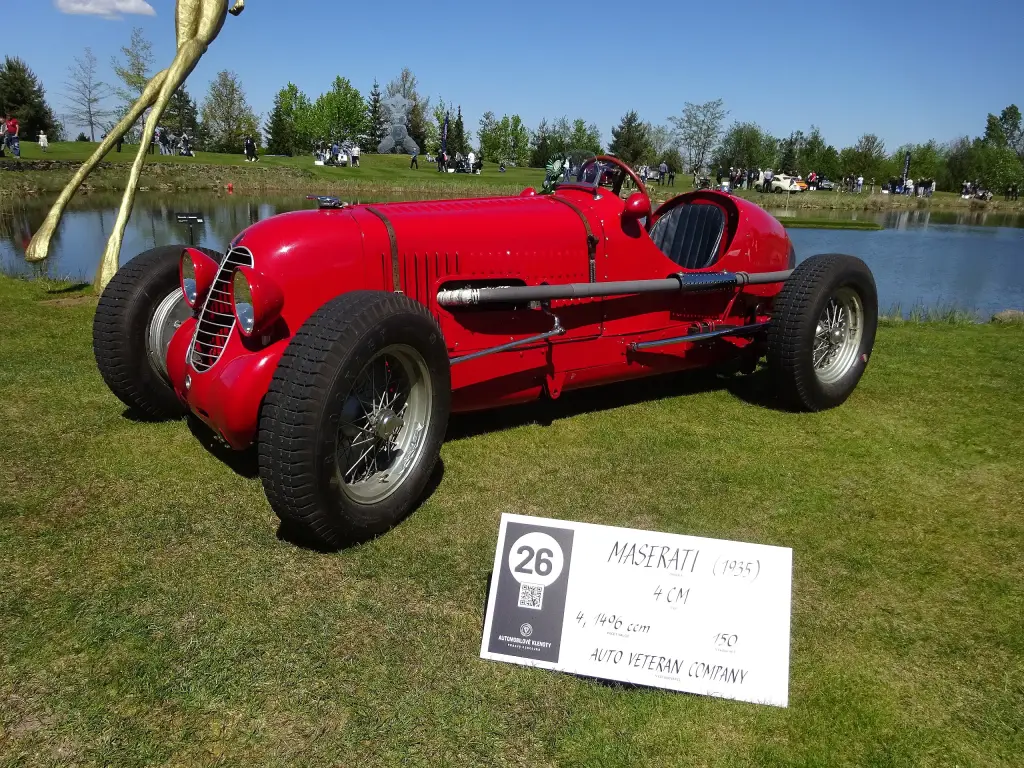
The Maserati 4CM is an open-wheel Grand Prix racing car designed, developed and built by Maserati in 1931. It was the company’s first racing voiturette, created after Maserati decided in 1930 to concentrate on the small class, where German manufacturers such as Mercedes-Benz and Auto Union did not compete. The name spells out the recipe: 4 cylinders, Corsa for racing and Monoposto for single-seater.
Maserati 4CM at a glance
| Maker | Maserati, Modena |
|---|---|
| Introduced | 1931 |
| Class | Voiturette, single-seater |
| Engine | 1,088.4 cc inline-four, 65 mm × 82 mm |
| Valves | two overhead camshafts |
| Supercharger | Roots type |
| Power | 125 hp (92 kW) at 6,600 rpm |
| Top speed | 210 km/h |
| Conversion | 1,495.7 cc with a spare block, pistons, rods and supercharger |
| Built alongside | 4CS two-seater sports racer |
| Replaced by | 6CM, from about 1936 |
Based on one source: the English Wikipedia article on the 4CM. It is a short article.
History of the Maserati 4CM
In 1930 Maserati decided to concentrate its efforts on the voiturette class, which the big German manufacturers did not contest. The result was the Tipo 4CM, a 1.1-litre single-seater and the company’s first racing voiturette. It was built alongside the 4CS two-seater sports racer and powered by a 1,088.4 cc twin-overhead-camshaft supercharged four with a 65 × 82 mm bore and stroke, producing 125 hp at 6,600 rpm. That was enough for a top speed of 210 km/h.
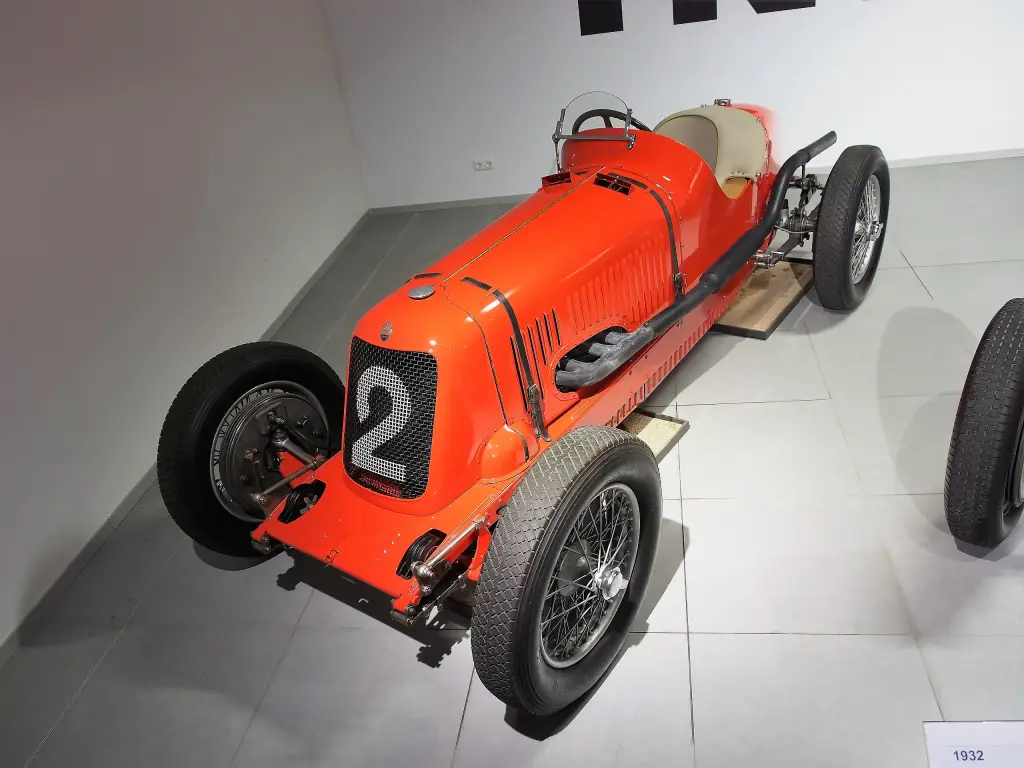
Two capacities in one car
Some cars were delivered with a spare cylinder block, pistons, connecting rods and supercharger so that the engine could be converted to 1,495.7 cc with a 69 × 100 mm bore and stroke when the regulations or the race called for it. Depending on engine size, the Roots-type supercharger raised output to between 90 and 150 hp.
The 4CM succeeded the Tipo 26M and was itself slowly replaced by the 6CM around 1936. It gave Maserati a foothold in the small single-seater class just as the voiturette category was becoming one of the most closely fought in European racing, and it established the pattern of building cars for private entrants that the company followed for much of the 1930s.
Design and features
- First voiturette: Maserati’s entry into the 1.1-litre single-seater class.
- Supercharged four: 1,088 cc and 125 hp at 6,600 rpm from a twin-cam engine.
- Conversion kit: a spare block and supercharger turned the car into a 1.5-litre racer.
- 210 km/h top speed: quick for a small voiturette of 1931.
Maserati 4CM versions
- 4CM 1100 (1931): the standard 1,088.4 cc car.
- 4CM 1500 conversion: 1,495.7 cc with the spare block and supercharger.
- 4CS: the two-seater sports racer built alongside the 4CM.
The 4CM succeeded the Maserati Tipo 26 line and was replaced by the Maserati 6CM; its sports-racing sister was the 4CS. More cars are in the Maserati collection.
Sources
- Maserati 4CM, English Wikipedia: engine, output, conversion, place in the range