The Lamborghini Aventador replaced the Murciélago as the company’s flagship in 2011. Named after a fighting bull, it combined a new 6.5-litre V12 with a carbon-fibre monocoque, a seven-speed single-clutch gearbox and permanent all-wheel drive, and it stayed in production for eleven years, longer than any V12 Lamborghini before it.
Lamborghini Aventador at a glance
| Maker | Lamborghini, Sant’Agata Bolognese |
|---|---|
| Production | 2011–2022 |
| Debut | Geneva Motor Show, 28 February 2011 |
| Internal code | LB834 |
| Engine | 6,498 cc 60° V12, 700 PS (515 kW) |
| Gearbox | seven-speed ISR automated manual by Graziano |
| Drive | all-wheel drive by Haldex |
| 0–100 km/h | 2.9 seconds |
| Top speed | 350 km/h |
| Chassis | carbon-fibre monocoque, 147.5 kg |
| Doors | scissor |
| Built | 11,465 |
Performance figures are those quoted for the original LP 700-4 coupé; later versions are quicker. Production total comes from the German article.
History of the Lamborghini Aventador
A new flagship
The Aventador was unveiled in Sant’Agata in late 2010 and shown publicly at Geneva on 28 February 2011, five months after that first private presentation. Internally coded LB834, it was designed by Filippo Perini to replace a Murciélago that had been on sale for a decade. Lamborghini reported twelve orders within days of the unveiling, with deliveries starting in the second half of 2011; by March 2016 it had built 5,000 cars, making the Aventador the second-best-selling Lamborghini ever at that point.
Engineering
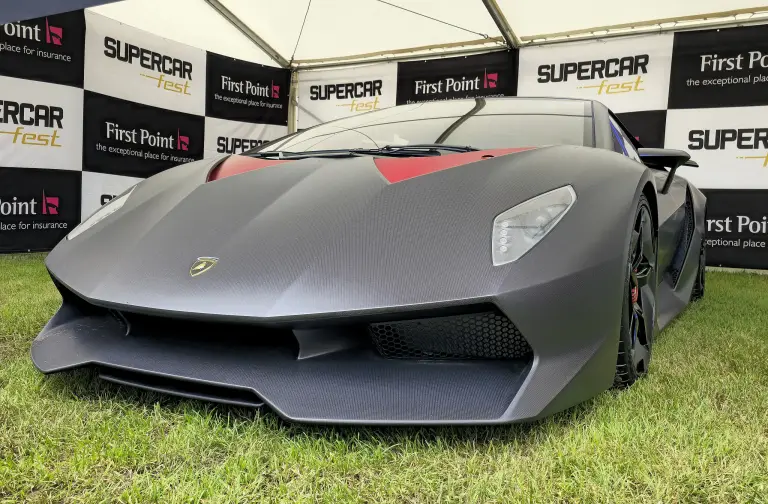
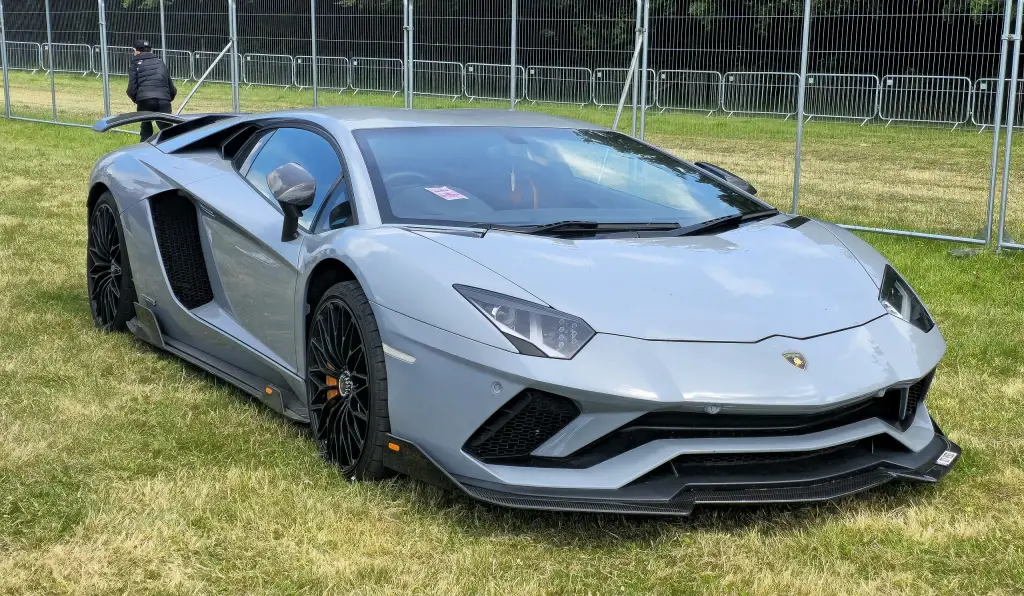
The centre of the car is a carbon-fibre monocoque developed in-house at Lamborghini’s Advanced Composite Research Centre, weighing 147.5 kg and 90 kg lighter than the Murciélago’s chassis. The 6.5-litre V12, known internally as the L539, weighs about 235 kg and drives through a seven-speed Independent Shifting Rod gearbox that changes gear in 50 milliseconds and weighs roughly half as much as a dual-clutch unit. Drive goes to all four wheels through an electronically controlled Haldex system. The body keeps the wedge shape of the Sesto Elemento study and the Reventón, with scissor doors and a rear wing that rises with speed.
Special editions and the end
The range grew steadily: the SuperVeloce of 2015 raised output to 750 PS and cut 50 kg while adding 180 per cent more downforce; the S of 2017 brought four-wheel steering and 740 PS; the one-off Aventador J of 2012 had neither roof nor windscreen. Production officially ended in 2022, but when the Felicity Ace caught fire and sank in early 2022 with fifteen Ultimae cars aboard, Lamborghini restarted the line to rebuild them. The Revuelto, a hybrid V12, replaced the Aventador in 2023.
Design and features
- Carbon monocoque: a 147.5 kg tub built in-house, 90 kg lighter than the Murciélago chassis.
- Naturally aspirated V12: 6.5 litres and 700 PS in the original LP 700-4, without turbochargers or hybrid help.
- Fast shifts: the seven-speed ISR gearbox changes gear in 50 milliseconds.
- Drama: scissor doors, a start button under a red flip cover and cooling flaps that open at speed.
Lamborghini Aventador versions
- LP 700-4 (2011–2016): the original coupé, 700 PS, all-wheel drive.
- LP 700-4 Roadster (2013–2016): two removable carbon roof panels stored in the front boot.
- SuperVeloce LP 750-4 (2015–2017): 750 PS, 1,525 kg, fixed rear wing; 600 built.
- LP 740-4 S (2016–2021): four-wheel steering, 740 PS and the LDVA chassis control system.
- SVJ and Ultimae: later track-focused and final editions, the last cars finished in 2022.
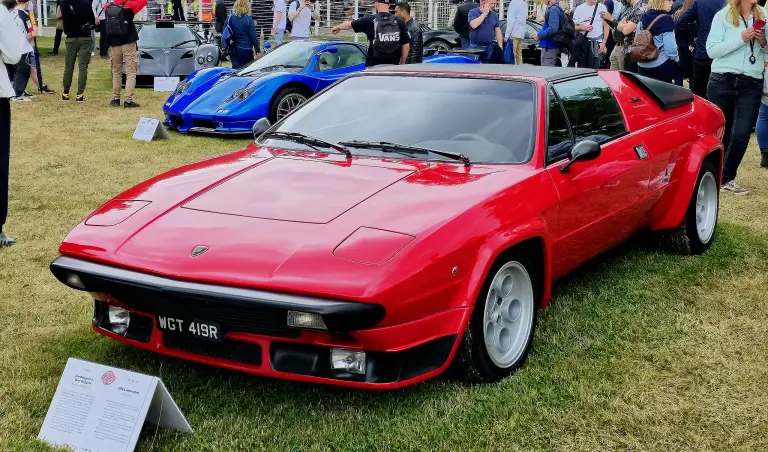
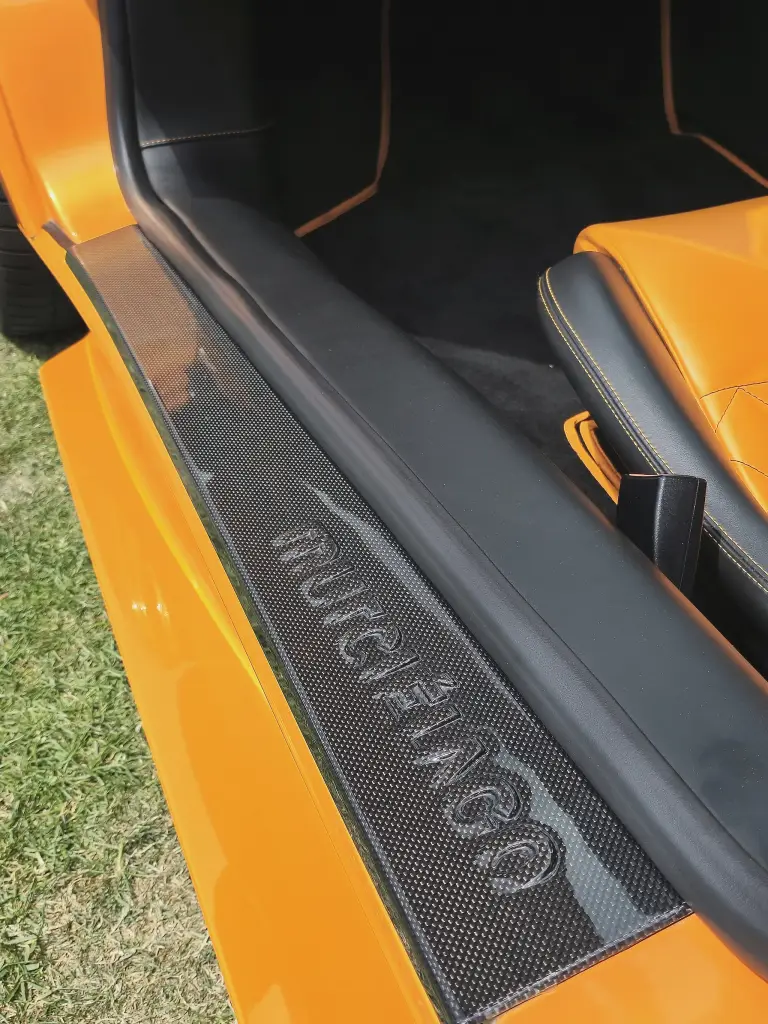
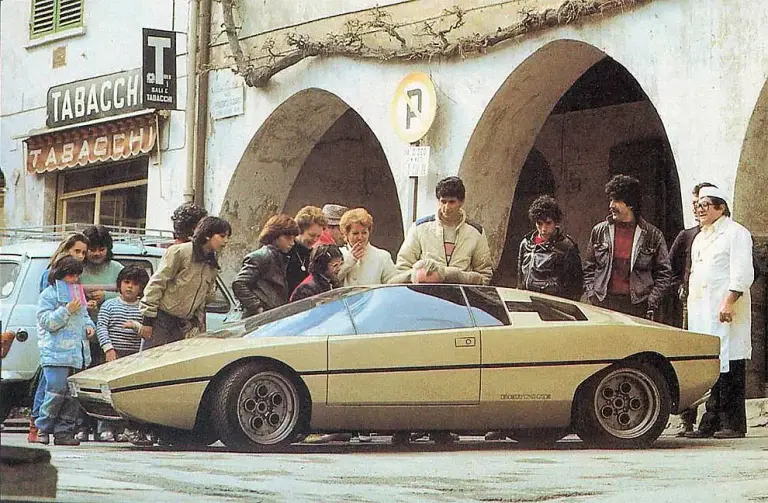
The Aventador replaced the Murciélago and sits in the line begun by the Countach; its styling borrowed from the Sesto Elemento. More cars are in the Lamborghini collection.
Sources
- Lamborghini Aventador, English Wikipedia: launch, engine, performance, versions
- Lamborghini Aventador, German Wikipedia: production total, monocoque, special models
- Lamborghini Aventador, Italian Wikipedia: technical data, ISR gearbox, S version