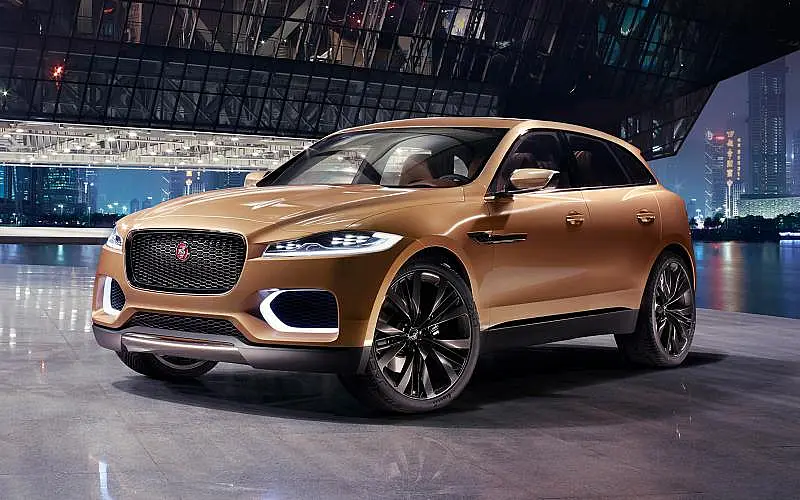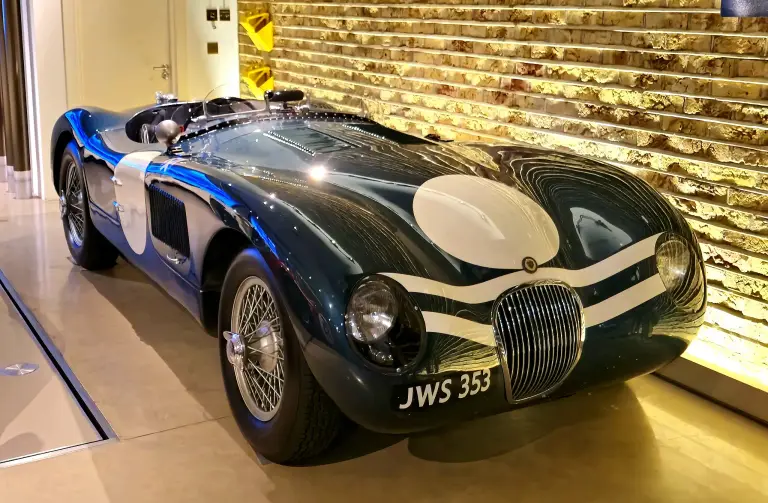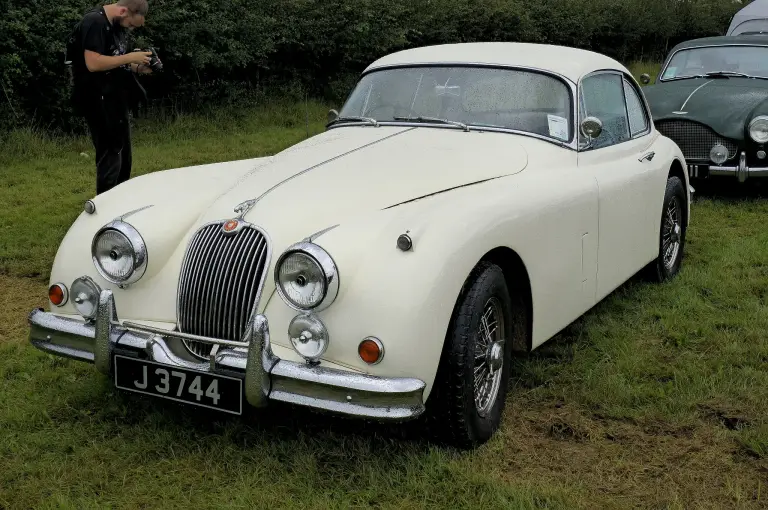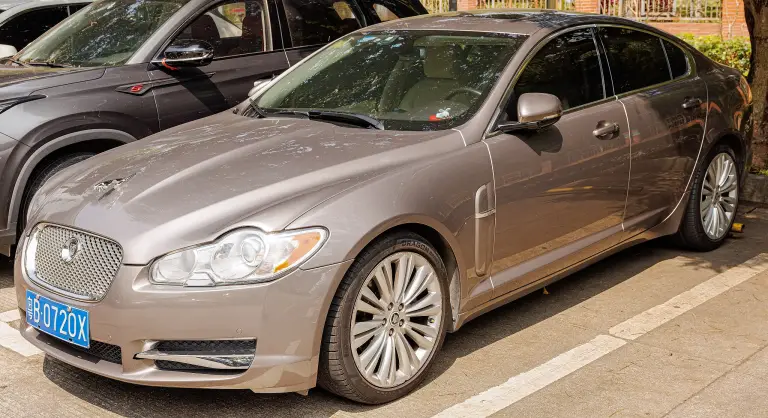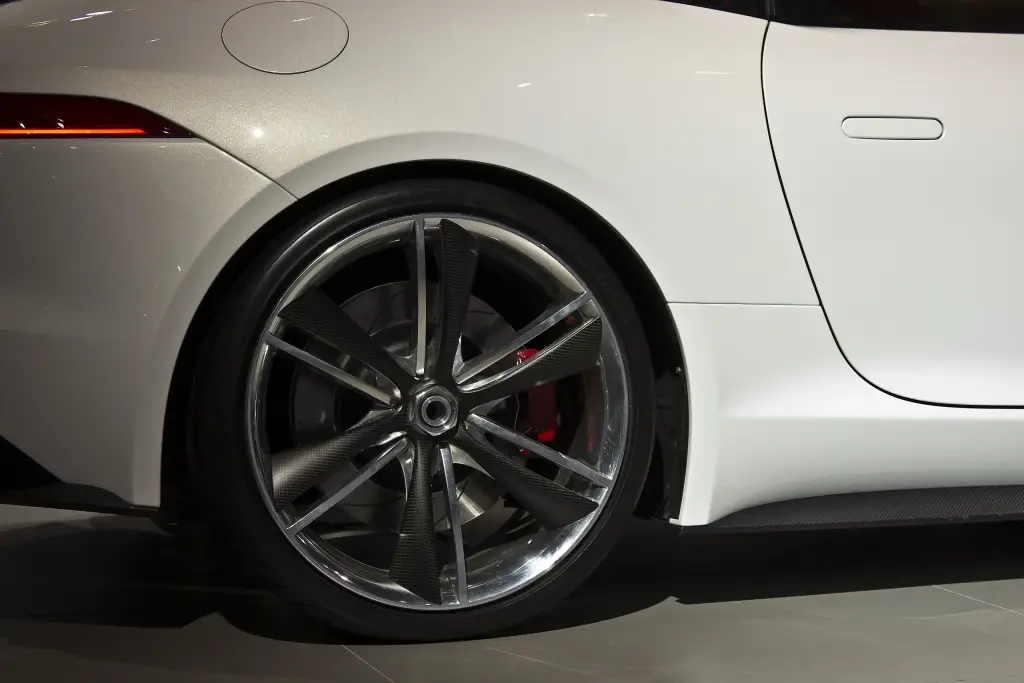
The Jaguar C-X16 is a concept hybrid electric sports car unveiled by Jaguar Cars at the 2011 Frankfurt Motor Show on 13 September. In April 2012 Jaguar announced that it would build a new sports car based on the concept, called the F-Type, which was shown to the public in non-hybrid form at the Paris Motor Show in September 2012.
Jaguar C-X16 at a glance
| Shown | Frankfurt Motor Show, 13 September 2011 |
|---|---|
| Type | two-seat hybrid sports car concept |
| Body | aluminium |
| Petrol engine | supercharged 3-litre V6, 375 bhp, 450 N·m |
| Electric motor | 92 bhp, 235 N·m |
| Gearbox | eight-speed ZF automatic |
| Battery | mounted behind the front seats, brake regeneration |
| 0–62 mph | 4.4 seconds |
| Top speed | 186 mph, limited |
| Electric-only top speed | 50 mph |
| CO2 | 165 g/km |
| Production result | Jaguar F-Type |
History of the Jaguar C-X16
Design
The car’s body is built from aluminium, and Jaguar described it as the smallest car it had made since the XK120 of 1954. The drivetrain combines a 375 bhp, 450 N·m supercharged 3-litre V6 petrol engine with a 92 bhp, 235 N·m electric motor and an eight-speed ZF automatic transmission. The battery pack sits behind the front seats and is charged by a brake regeneration system, so the car can run on the engine alone, the motor alone, or both together.
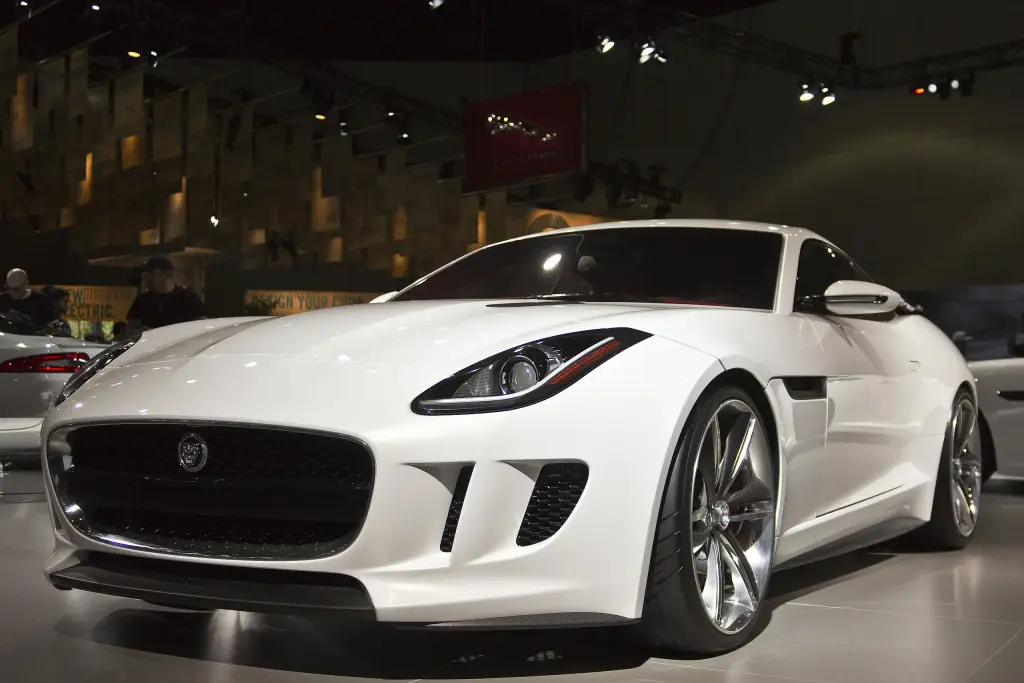
Styling
The form takes cues from Jaguar’s 2010 C-X75 plug-in hybrid concept, including the shape of the front grille and the wrap-around rear lights, and it has a side-hinged opening rear window reminiscent of the 1961 E-Type.
Performance and future
Jaguar quoted a 0–62 mph time of 4.4 seconds and a top speed limited to 186 mph, with a CO2 rating of 165 g/km; on the electric motor alone the car could reach 50 mph. Under engine power the motor could also be activated to boost acceleration through a switch on the steering wheel, in a way similar to the KERS system used in Formula 1. The production F-Type was previewed stylistically by the C-X16 and was developed under the project code X152.
Design and features
- Hybrid powertrain: supercharged V6 plus electric motor through an eight-speed automatic.
- Three driving modes: engine alone, motor alone or a combination of both.
- Boost switch: a steering-wheel control that adds electric power for overtaking.
- Aluminium body: the smallest Jaguar since the XK120 of 1954.
- F-Type preview: the concept defined the look of the 2012 production car.
Jaguar C-X16 versions
- C-X16 concept (2011): the single show car, as displayed at Frankfurt and Los Angeles.
- F-Type (2012): the production sports car developed from the concept, without the hybrid system.
The C-X16 followed the Jaguar C-X75 concept in style and led to the production Jaguar F-Type. More cars are in the Jaguar collection.
Sources
- Jaguar C-X16, English Wikipedia: design, styling, performance