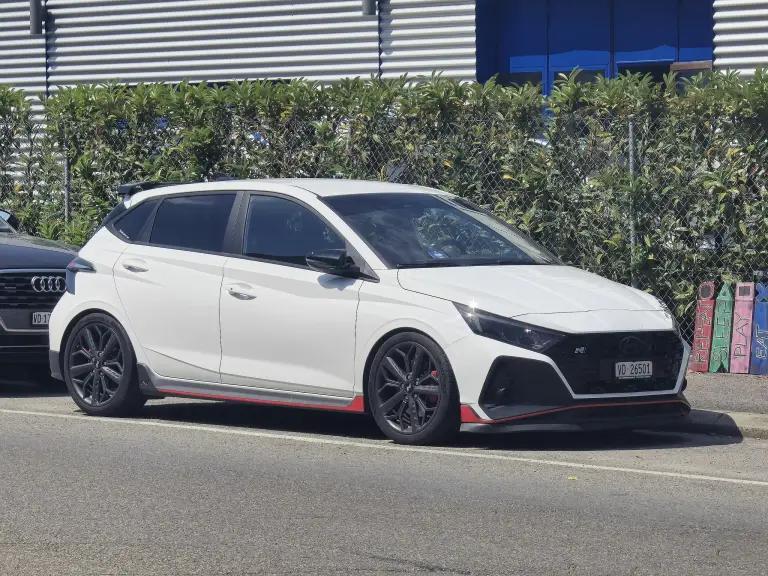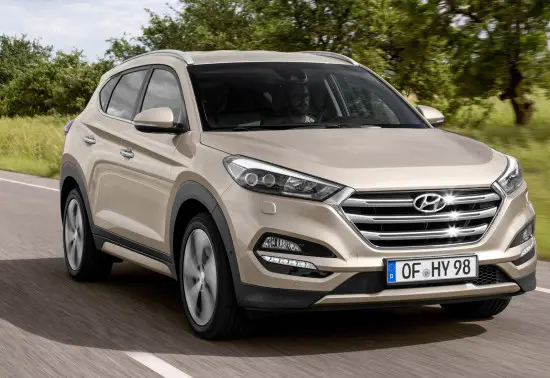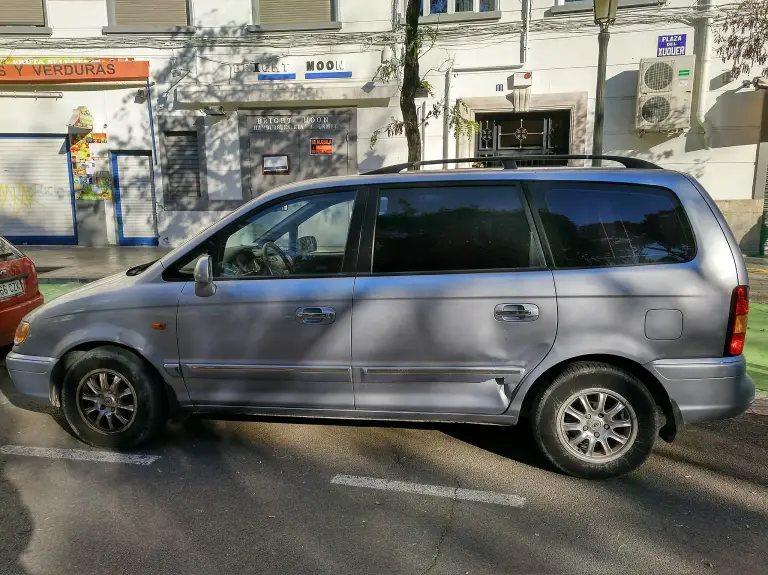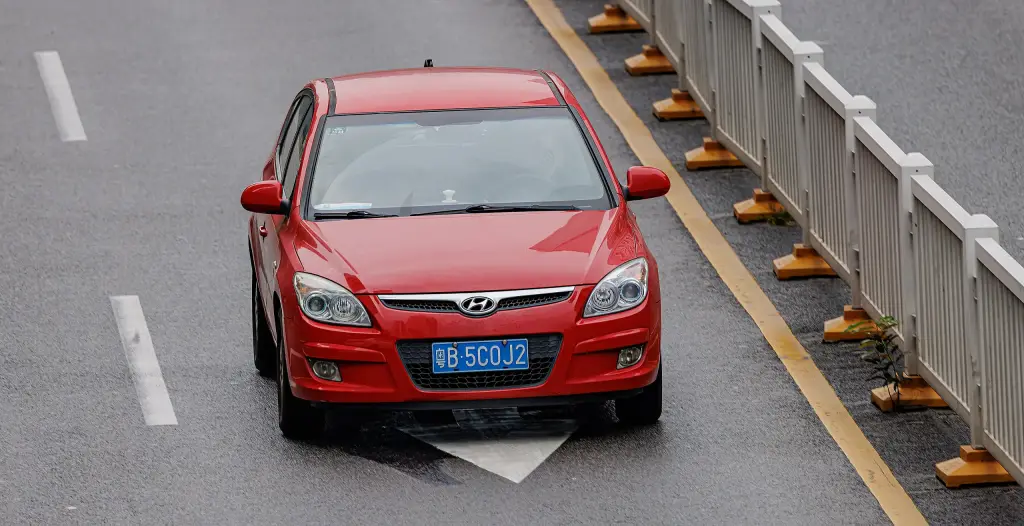
The Hyundai i30 is the small family car Hyundai has built since 2007. It was conceived at Hyundai’s design and technical centre in Rüsselsheim, shown at the Geneva motor show in March 2007, and shares its platform with the Kia Ceed. It comes as a three or five-door hatchback, a five-door estate and, since 2017, a five-door liftback.
Hyundai i30 at a glance
| Maker | Hyundai Motor Company |
|---|---|
| Production | since 2007 |
| Platform partner | Kia Ceed |
| First generation | FD, 2007 |
| Design centre | Rüsselsheim, Germany |
| Premiere | Geneva motor show, March 2007 |
| Bodies | three and five-door hatchback, five-door estate, five-door liftback |
| Estate name | i30cw; Elantra Touring in North America |
| Estate cargo volume | 1,800 litres |
| Second generation | GD, Frankfurt motor show, September 2011 |
| American name | Elantra GT for the hatchback |
History of the Hyundai i30
The first i30 grew out of the Hyundai Arnejs concept shown at the 2006 Paris motor show. A handful of pre-series cars were finished in late 2006, series production began in 2007, and the car was introduced at Geneva in March 2007 before going on sale in Europe and Australia in mid-2007. In Malaysia it arrived in July 2009 with a choice of 1.6-litre engines, manual or automatic, and a 2.0-litre automatic.
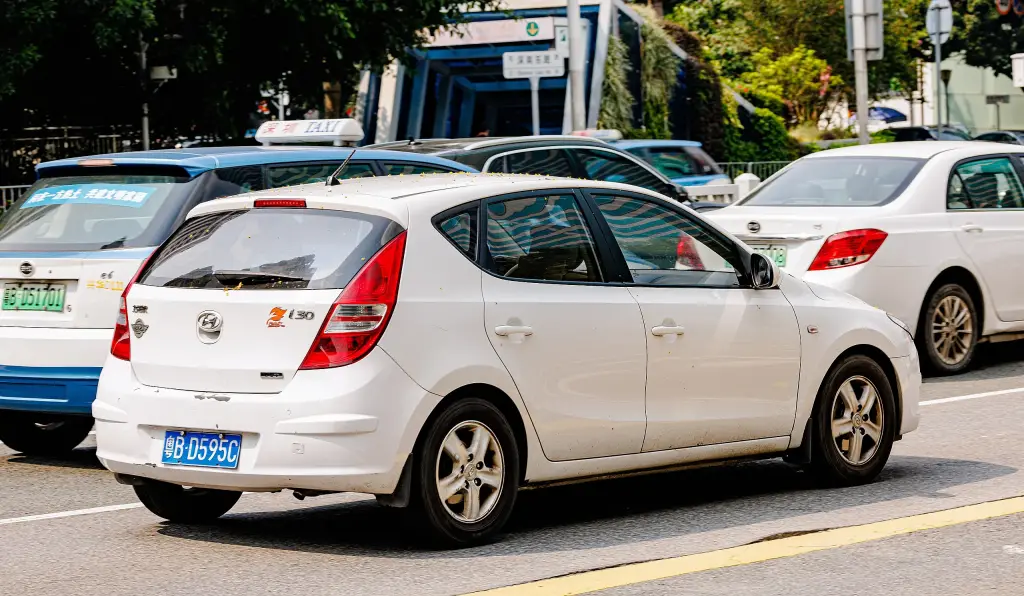
The estate, the i30cw, was released at the Seoul motor show in 2007 and sold around the world under slightly different names. It reached North America for the 2009 model year as the Elantra Touring: a larger, roomier version of the hatchback with up to 1,800 litres of cargo space, a 2.0-litre four-cylinder engine of 138 hp for 2012, and a choice of five-speed manual or four-speed automatic. In Australia the estate used beam rear suspension rather than the independent set-up of the sedan. The hatchback itself was sold in the United States and Canada as the Elantra GT, and the i30 wagon had earlier been sold there as the Elantra Touring.
A version with stop-start technology, the i30 blue, was unveiled at the 2009 Geneva motor show and built in Nošovice in the Czech Republic. British cars came with 1.4 or 1.6-litre petrol or a 1.6-litre diesel engine in hatchback or estate form, and the CO2 rating of the 1.6 petrol fell from 152 to 142 g/km; stop-start was a £200 option. A facelift was presented at the 2010 Leipzig motor show.
The i30 collected a long list of awards. In Australia the 1.6 CRDi was the cheapest diesel car on the market at A$21,490 when it arrived at the end of 2007, and the range won Best Mid-size Car Under $28,000; the car was CarsGuide Car of the Year for 2007, with the diesel taking its Green Car award. It was Car of the Year in Spain in 2008, won the AA Motoring Excellence Awards in New Zealand in 2009, and in 2010 topped the Auto Express Driver Power survey of 23,000 British owners as the most satisfying car to own. The second generation was unveiled at the Frankfurt motor show in September 2011, designed and engineered at Rüsselsheim with CO2 emissions below 100 g/km from an upgraded 1.6-litre diesel, and went on sale in Europe in early 2012 as a five-door hatchback built in Nošovice.
Design and features
- European roots: designed and engineered at Hyundai’s Rüsselsheim centre.
- Ceed twin: the i30 shares its platform with the Kia Ceed.
- Estate option: the i30cw offered up to 1,800 litres of cargo space.
- Award winner: Car of the Year in Australia in 2007 and in Spain in 2008.
Hyundai i30 versions
- i30 FD (2007–2011): the first generation hatchback.
- i30cw: the estate, sold in North America as the Elantra Touring.
- i30 blue: the stop-start version built in Nošovice.
- Elantra GT: the American name for the five-door hatchback.
- i30 GD (2011): the second generation with sub-100 g/km CO2.
The i30 sits between the i20 and the i40, and its American relative is the Elantra. More Hyundai models are in the Hyundai collection.
Video: NEU: Hyundai i30 im Test
Video by MotorAktion on YouTube.
Sources
- Hyundai i30, English Wikipedia: origins, estate, i30 blue, awards, second generation