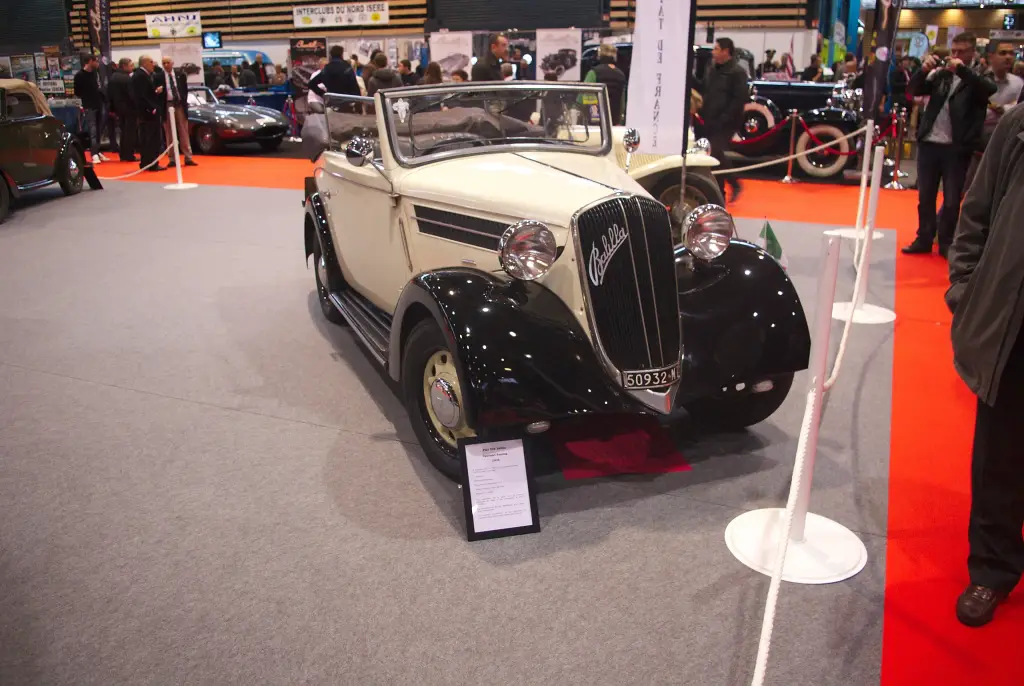
The Fiat 508 Balilla was a compact car designed and produced by Fiat from 1932 to 1937. It effectively replaced the Fiat 509, although production of that model had ended back in 1929. It had a three-speed transmission, increased to four speeds in 1934, seated four and reached about 80 km/h; around 113,000 were built.
Fiat 508 at a glance
| Production | 1932–1937 |
|---|---|
| Also called | Balilla |
| Predecessor | Fiat 509 |
| Successor | Fiat 508C |
| Bodies | 2- and 4-door saloon, 2-seat Spider |
| Engine | 995 cc side-valve four-cylinder |
| Power | 20 hp, 24 hp from late 1933 |
| Top speed | 80 km/h, later 85 km/h |
| Transmission | 3-speed, 4-speed from 1934 |
| Price | 10,800 lire |
| Production | about 113,000 |
based on one source
History of the Fiat 508
Development
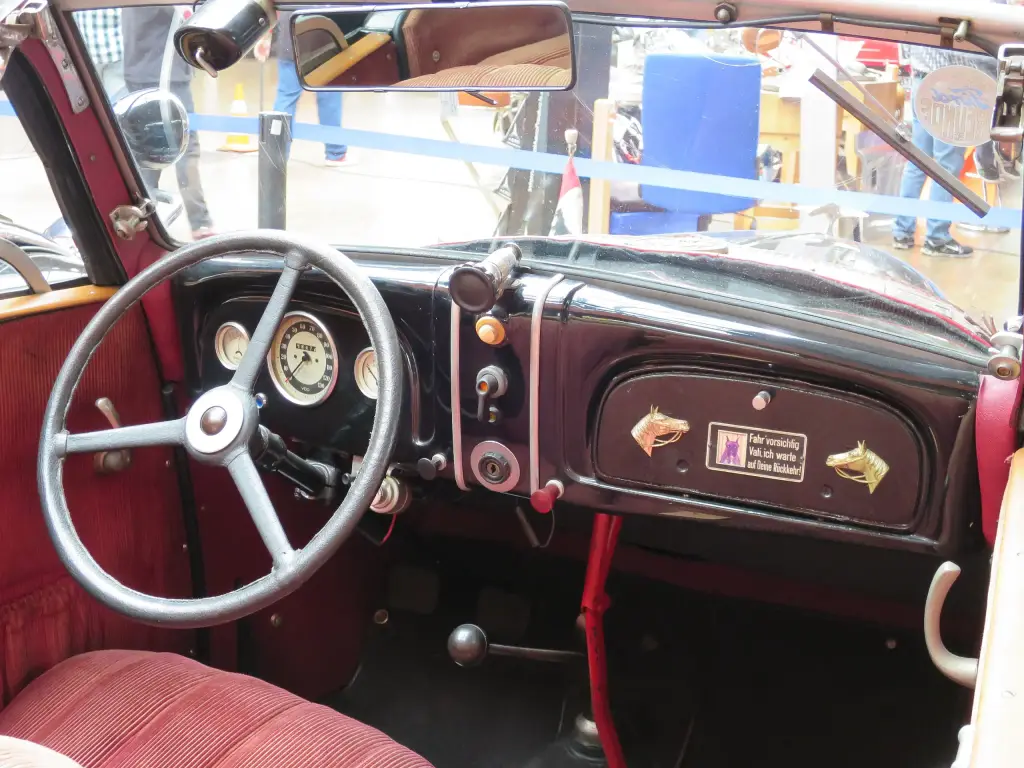
The 508 was developed by some of the leading Italian automotive engineers of the day, including Nebbia, Fessia and Tranquillo Zerbi. The goal was to incorporate some of the qualities of a high-class automobile into a modestly priced vehicle. The car was unveiled on 12 April 1932 at a motor show held on the Fiera Milano trade fair site, and it sold for 10,800 lire.
The Balilla name
The 508 was one of the early people’s cars designed by Dante Giacosa, and it was christened Fiat Balilla. Many believe the name was connected with Italian Fascism, but Fiat later insisted that the car was named after the 1746 Genoa boy-hero, not the fascist youth organisation Opera Nazionale Balilla. Balilla was the dialect nickname of a Genoese boy called Giovanni Battista Perasso, who in 1746 threw a stone, according to one report several stones, at an Austrian officer in protest at the Austrian military occupation. The action triggered a Genoese revolt against the Austrians, and Balilla was celebrated as a local hero in northern Italy through the following two centuries. The name had already been used for a class of light Royal Italian Navy submarines, a pony tractor by the Milan firm Motomeccanica and Fiat’s own Fiat-Ansaldo A1 biplane of the First World War.
508A, 1932–1934
The first 508 came with a front-mounted four-cylinder petrol side-valve engine of 995 cc. Maximum power was listed as 20 hp at 3,500 rpm, enough for a top speed of approximately 80 km/h. Power passed to the rear wheels through a three-speed manual gearbox without synchromesh on any ratio, and drum brakes acted on all four wheels.
The original 508A was a two-door Berlina saloon with four seats. The front seats could be slid forwards and their backrests tilted to give access to the back, in what was a relatively small car. The door windows were wound down with a crank handle, the windscreen was hinged at the top and could be opened, and two windscreen wipers were powered by their own electric motor mounted inside above the screen. The interior had rubber mats and cloth-covered seats. Accessories included a dash-mounted rear-view mirror, a roof light and an externally mounted luggage platform at the back, which came with the spare wheel moved to a mounting point on the side of the car between the left-hand door and the front wing. A Lusso version had better cloth and extra brightwork around the lights, grille, wheels and door handles.
508B, 1934–1937
At the end of 1933 power rose to 24 hp at 3,500 rpm and the maximum speed to 85 km/h, and the transmission was upgraded to four speeds. For 1934 the car received a slightly more aerodynamic-looking Berlina body, available with two or four doors; this version was identified as the 508B, and the original 1932 car became known retrospectively as the 508A.
The 508B was described as more aerodynamic, although by later standards it still followed the boxy lines associated with cheap cars of the early 1930s. The two-door Berlina remained on offer for a few more months while a four-door was added. In June 1934 the two-door was delisted for Italy and the four-door received a further facelift, with a modified front grille and a windscreen that was now slightly raked instead of vertical, hinting at the more wholesale changes that came with the 508C in 1937. Standard and Lusso versions of the four-door were both offered.
Spider
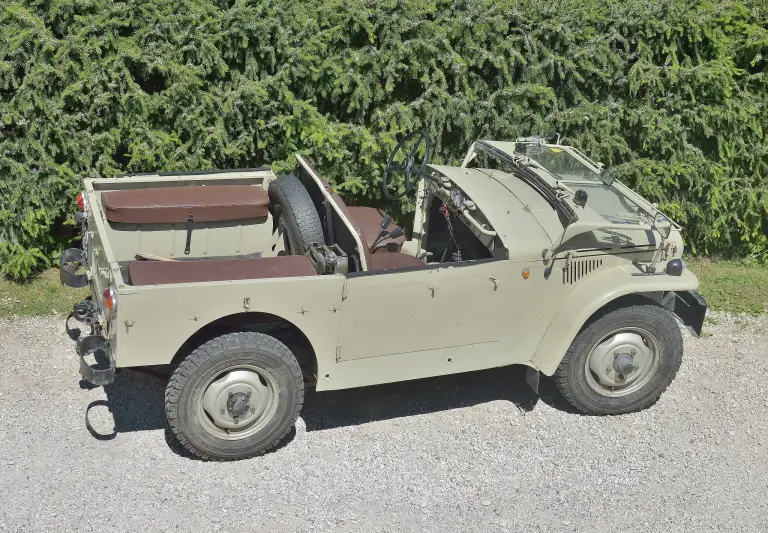
The 508 Spider was a small two-door, two-seater cabriolet. Driver and passenger sat side by side, but the driver’s seat was fixed a few centimetres further back than the passenger’s. The seats were covered in leather, and both standard and Lusso versions were available. The windscreen could be folded down and the removable fabric hood could be stored in a purpose-made bag. Early Spiders used the same three-speed gearbox without synchromesh as the Berlina, but benefited from the 1934 mechanical upgrade.
Production abroad
The car was also assembled by Walter Motors in Czechoslovakia, in the Państwowe Zakłady Inżynierii passenger vehicle factory in Poland, by NSU-Fiat in Germany and by SAFAF in France, which was rebranded Simca-Fiat in 1934.
Design and features
- Cheap and modern: high-class features in a modestly priced 995 cc car.
- Three-speed gearbox: without synchromesh at first, four speeds from 1934.
- Hinged windscreen: the screen could be opened and the door windows wound down by crank.
- Spider: a two-seat cabriolet with a folding screen and a removable fabric hood.
- Built in four countries: Czechoslovakia, Poland, Germany and France.
Fiat 508 versions
- 508A Berlina: two-door saloon of 1932 with a three-speed gearbox.
- 508B Berlina: two- and four-door saloons from 1934 with a four-speed gearbox.
- 508 Spider: two-seat cabriolet in standard and Lusso trim.
- Lusso: de luxe trim with better cloth and extra brightwork.
- Simca-Fiat 508: the French-built version of SAFAF.
The 508 replaced the Fiat 509 and was developed into the Fiat 1100 line. Its modern equivalent in spirit, the Fiat 500, is covered separately. More cars are in the Fiat collection.
Sources
- Fiat 508, English Wikipedia: development, name, 508A and 508B, Spider, licence assembly