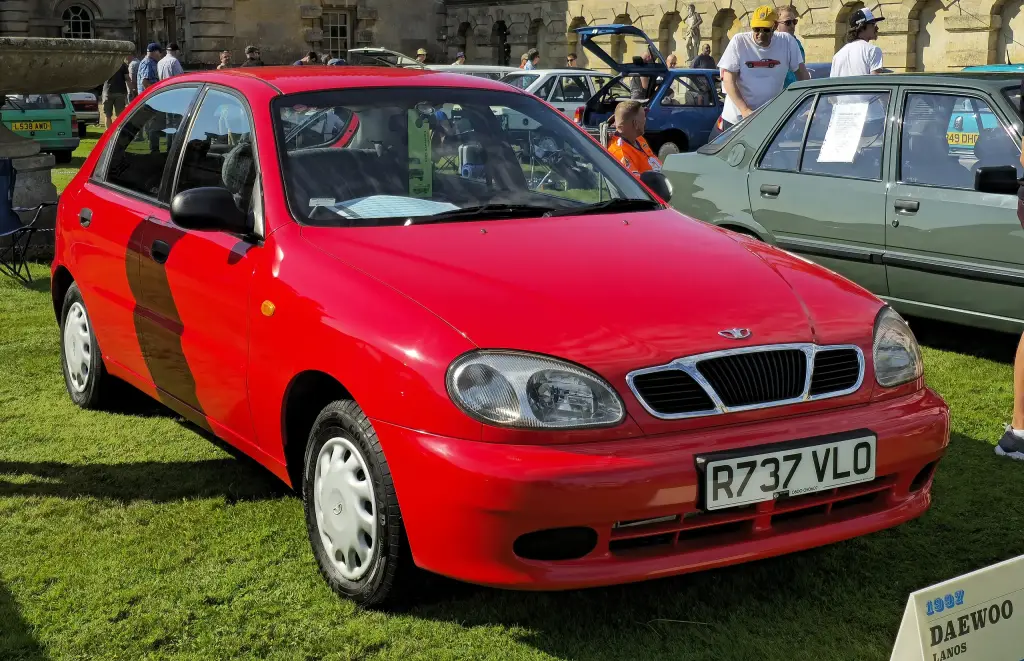
The Daewoo Lanos was a compact hatchback and saloon produced by Daewoo from 1997 to 2002 and afterwards built under licence in a dozen countries. It was styled by Giorgetto Giugiaro, developed in 30 months with help from Porsche, and sold as the Sens, ZAZ Lanos, Doninvest Assol, FSO Lanos and Chevrolet Lanos among other names.
Daewoo Lanos at a glance
| Maker | Daewoo, South Korea |
|---|---|
| Production | 1997–2002 in Korea, under licence until 2017 |
| Designer | Giorgetto Giugiaro, Italdesign |
| Bodies | three-door and five-door hatchback, four-door saloon |
| Model codes | T100 from 1997, T150 from 1999 |
| Engines | E-TEC 1.3 and 1.5 SOHC, 1.6 DOHC |
| Power | 1.5 with 86 PS, 1.6 DOHC with 106 PS |
| Suspension | from the Daewoo Nexia, itself based on the Opel Kadett E |
| Development time | 30 months from approval to full production |
| Replaced by | Daewoo Kalos |
History of the Daewoo Lanos
Starting from scratch
In 1992 Daewoo dissolved its joint venture with General Motors and decided to develop its own replacements for cars that had been based on older GM models. The Lanos programme began in autumn 1993 with the aim of replacing the Nexia as Daewoo’s small family car. The project started with a study of 20 competing models, with the Toyota Tercel, Opel Astra and Volkswagen Golf judged the strongest, and four design studios were asked for clay models. Giugiaro’s proposal was chosen and Italdesign developed the final exterior and interior.
Porsche, testing and 150 prototypes
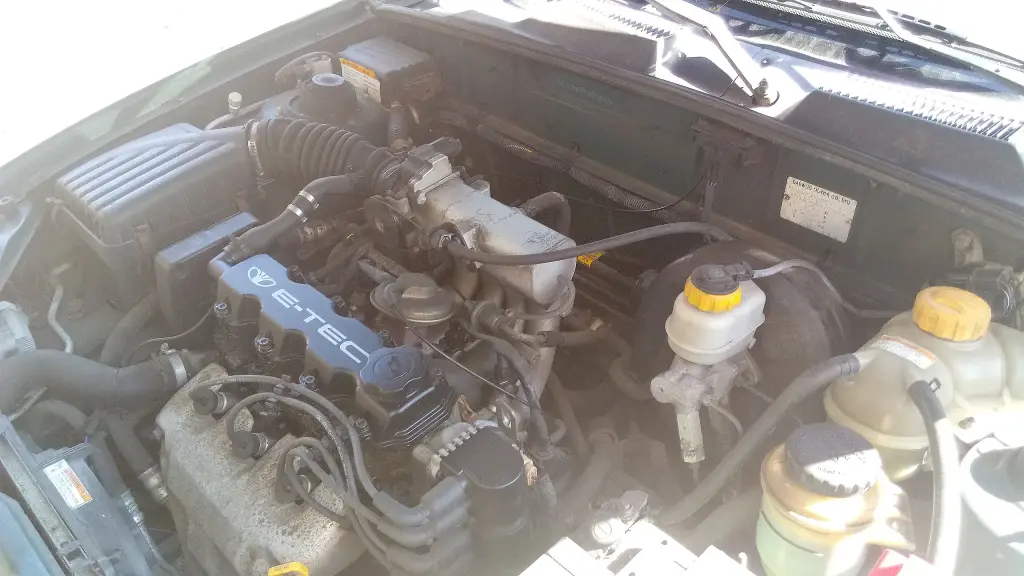
Engineering was shared between Daewoo’s Korean development centre and outside suppliers, among them AC Rochester for engine components, Delco for brakes, GM Powertrain for the automatic gearbox, Italdesign for body and electrics, PARS for airbags and Porsche for the vehicle concept, structural analysis, suspension and brake components. By the end of 1995, 150 prototypes had been built to cover the three body styles. The cars were tested for high-speed stability and durability in England, brakes on the Grossglockner in Austria, cold weather in Canada, Sweden and Russia and heat in Death Valley, Oman, Alice Springs, Barcelona and Nardò. The programme took only 30 months from approval to large-scale production.
On the market
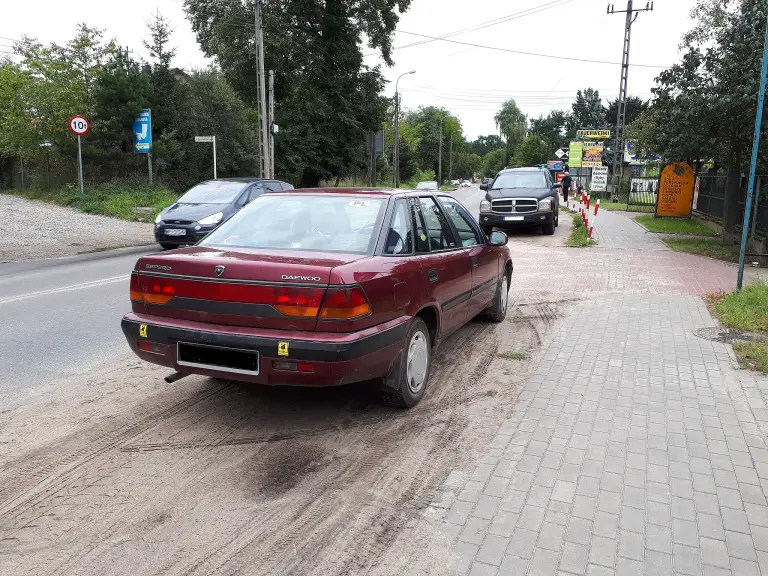
The Lanos was launched in Korea in November 1996 as a four-door saloon with a 1.5-litre engine; during 1997 the 1.3-litre engine and the three- and five-door hatchbacks were added, the three-door being called the Lanos Romeo and the five-door the Lanos Juliet in Korea. European production began in 1997. In April 2000 the car was updated with a revised front design, a fully redesigned saloon rear with more upright lights and interior changes, sold in Korea as the Lanos II. The 1.5-litre single-cam engine made 86 PS and the 1.6-litre twin-cam 106 PS; the 1.6 also had larger 256 mm front discs, a longer final drive and stiffer front springs. Trim levels ran from S and SE through SX to the SPORT of 2001–2002, which had red and black leather seats and window switches on the doors. Outside Korea the car was the Daewoo Sens and ZAZ Sens in Ukraine, the Doninvest Assol in Russia, the FSO Lanos in Poland and the Chevrolet Lanos in Ukraine, Russia and Egypt, and ZAZ added a panel van in 2006. Production ended in 2017.
Design and features
- Giugiaro styling: the winning design of four clay models commissioned in 1993.
- Porsche involvement: the German firm worked on the concept, structure, suspension and brakes.
- Serious test programme: from the Grossglockner to Death Valley and Alice Springs.
- Long licence life: built in Poland, Ukraine, Russia, Egypt and elsewhere long after Korean production ended.
Daewoo Lanos versions
- Saloon (1996): the first body, launched with the 1.5-litre engine.
- Romeo and Juliet: the Korean names for the three-door and five-door hatchbacks.
- Lanos II (2000): the facelift with a new nose and saloon rear.
- SPORT (2001–2002): the final Korean trim with leather seats and silver dash trim.
The Lanos replaced the Nexia and was replaced by the Kalos. More cars are in the Daewoo collection.
Sources
- Daewoo Lanos, English Wikipedia: development, testing, engines, trims, licences