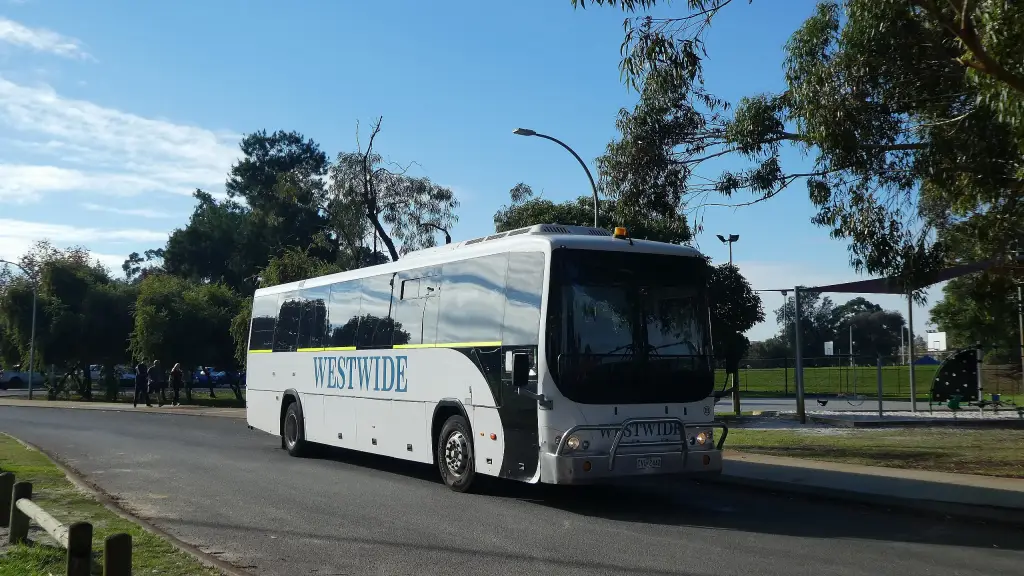
Daewoo’s bus business grew out of the Korean company’s commercial vehicle divisions and has produced city buses and long-distance coaches since the 1980s. The best known are the BS106 city bus and the BH and BX coaches; since 2002 the business has been a separate manufacturer, Zyle Daewoo Bus, based in Busan and majority owned by the Young-An Hat Company.
Daewoo buses at a glance
| Maker | Zyle Daewoo Bus, South Korea |
|---|---|
| Established | 2002, as successor to Daewoo Motor’s bus business |
| Based | Busan |
| Majority owner | Young-An Hat Company |
| Partnership | with GM Daewoo, now GM Korea, since 2006 |
| BS106 | city bus, in production since 1990 |
| BH120F | coach, since 1992 |
| BH116 and BH117H | coaches, since 1997 and 1995 |
| BX212 | coach, from 2004 |
| Current flagship | BX212M Royal Plus, from 2019 |
History of the Daewoo buses
A long line of Korean buses
Bus production in Korea runs back through several owners: Shinjin Motor, which built the Shinjin Micro Bus in 1962, then GM Korea Motor Company from 1972, Saehan Motor Company from 1976, Daewoo Motor Company from 1983, Daewoo Heavy Industry from 1994 and Daewoo Motor again from 1999. The Daewoo years produced a long series of models, among them the BV101 in 1983, the BS105S in 1985, the BS106 in 1990, the BH120F in 1992, the BH113 in 1994, the BH117H in 1995, the BH116 in 1997 and the BH115E in 1998.
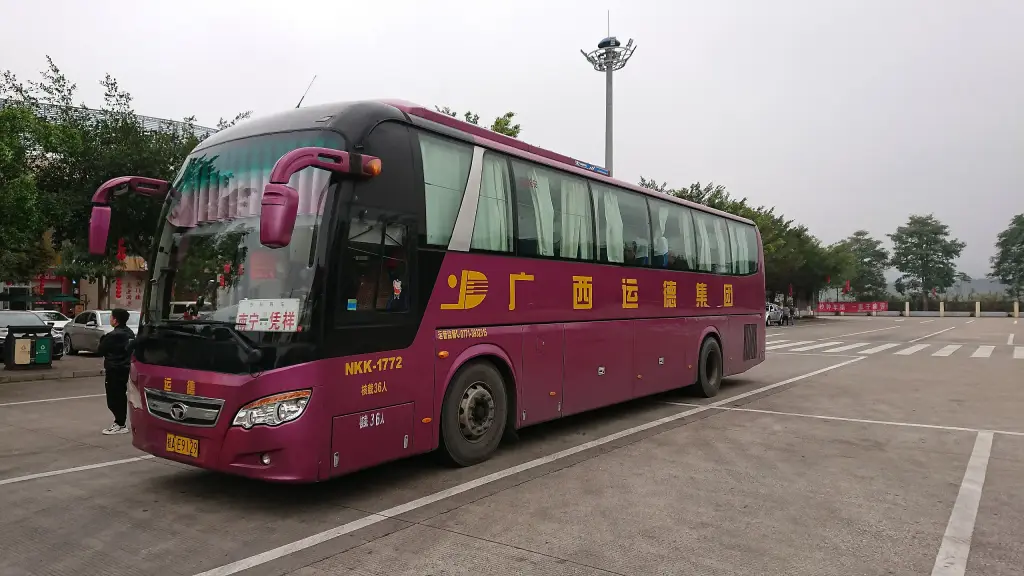
Zyle Daewoo Bus
In 2002 the bus business became a separate company, Zyle Daewoo Bus, formerly Zyle Daewoo Commercial Vehicle, majority owned by the Young-An Hat Company and based in Busan. It has worked in partnership with GM Daewoo, now GM Korea, since 2006. Its buses are used mainly for public transport. The model line continued with the BF106 and BH090 in 2001, the BS090, BV120MA and BS120CN in 2002, the BH119 in 2003, the BX212H and BX212S in 2004, the BC211M in 2005, the DM 1724 and DM 1731 city and suburban buses, the FX series in 2007 and the BC212MA the same year.
The range today
The current catalogue includes heavy long-distance coaches such as the BX212M Royal Plus, the FX120 Cruising Star and the FX116 Cruising Arrow, the small BH090 Royal Star, and intercity models including the BS120CN, BC211MA, BS106 Royal City and BS090 Royal Midi. The newest flagship, the BX212M, arrived in 2019, and the LESTAR appeared in 2013. Daewoo buses are also built and assembled abroad: in Shanghai and Guilin in China, in Costa Rica, Vietnam, Kazakhstan, Pakistan, the Philippines, Taiwan and Myanmar.
Design and features
- City and coach lines: the BS family for urban work, the BH and BX families for long distance.
- Long production runs: the BS106 has been in the catalogue since 1990.
- Separate company: since 2002 the buses have come from Zyle Daewoo Bus, not from Daewoo Motor.
- Built in nine countries: from China and Pakistan to Costa Rica and Myanmar.
Daewoo buses versions
- BS106 Royal City: the long-running city bus, first built in 1990.
- BH116 and BH120F: coaches of the 1990s.
- BX212 Royal Plus: the current heavy coach, with the BX212M of 2019 at the top.
- FX120 Cruising Star and FX116 Cruising Arrow: the newer coach range.
The buses came from the same company as the Novus truck, and Daewoo’s light vans were the Lublin and the Istana. More are in the Daewoo collection.
Sources
- Zyle Daewoo Bus, English Wikipedia: company history, model lists, subsidiaries