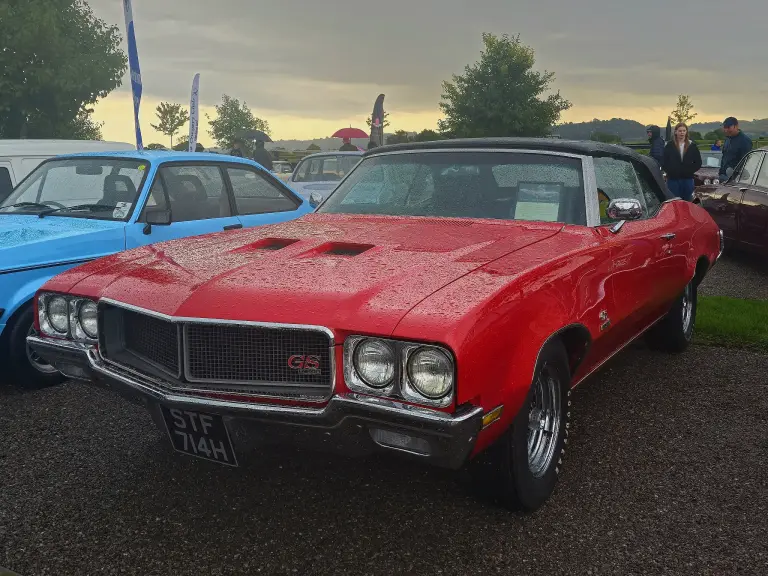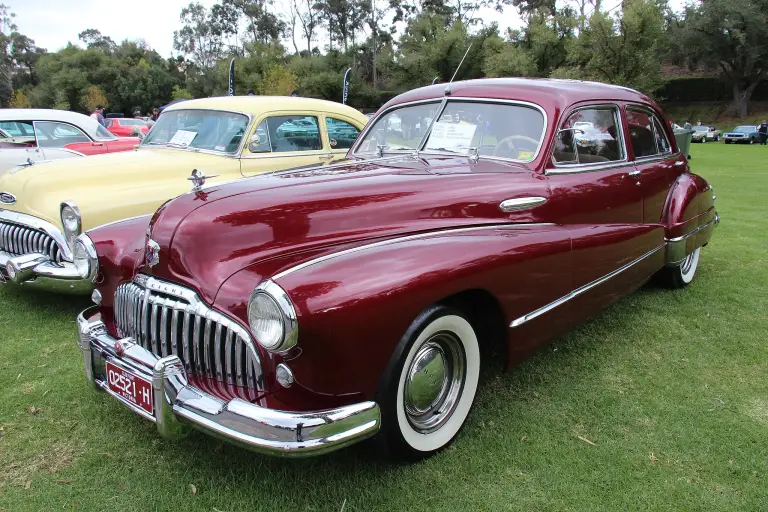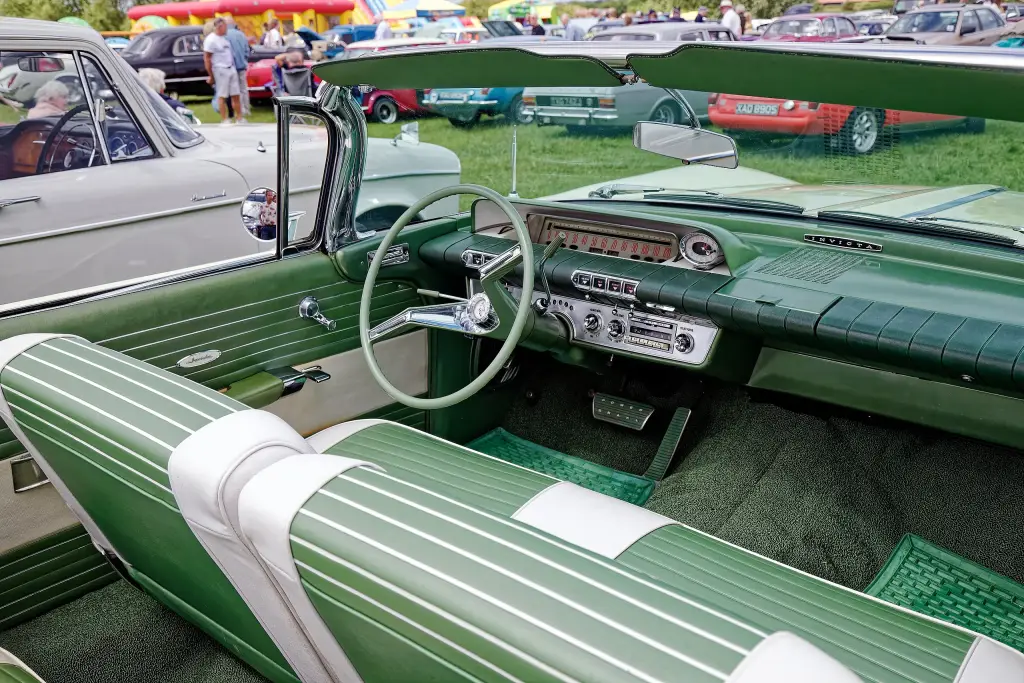
The Buick Invicta was a full-size car built from 1959 to 1963. It continued the idea of the Century — a standard-size body with Buick’s biggest engine — and in 1963 it gave way to the Wildcat.
Buick Invicta at a glance
| Maker | Buick, General Motors |
|---|---|
| Production | 1959–1963 |
| Class | full-size car |
| Position | between the LeSabre and the Electra |
| Bodies | hardtop coupe, hardtop sedan, convertible, wagon |
| Engine | 401 cu in (6.6 L) Fireball V8 |
| 1961 only | 364 cu in V8 in its last year |
| Wagon | Invicta Estate |
| Special trim | Invicta Custom from 1960 |
| Replaced by | Buick Wildcat |
| Name meaning | «unconquerable, invincible» |
Based on one source, the English Wikipedia article on the Invicta.
History of the Buick Invicta
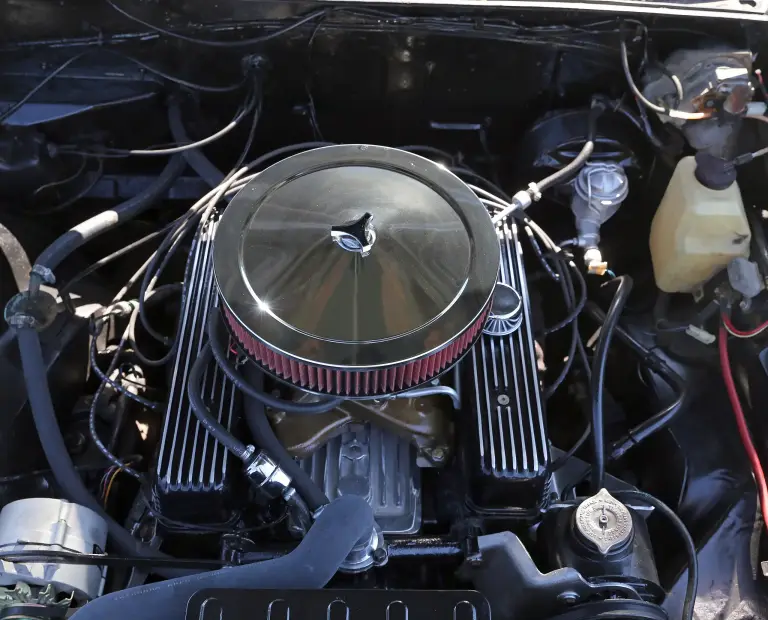
The Invicta was introduced for 1959 as a full line of body styles. It was the continuation of the mid-range Century, mating the standard LeSabre body with the larger 401-cubic-inch Fireball V8, and it came as a hardtop coupe, hardtop sedan, convertible and the Invicta Estate wagon.
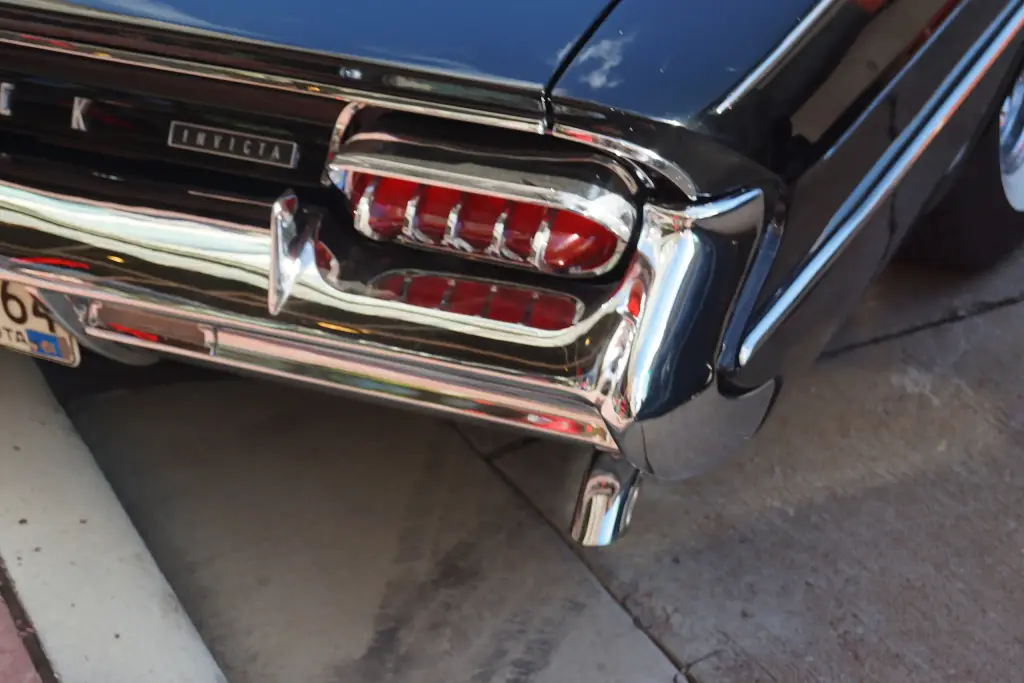
Sales never approached those of the entry-level LeSabre or the top Electra, but they were consistent with what Buick’s sporty mid-priced models had always done — the Century from 1954 to 1958 and the Wildcat from 1963 to 1970. A 1959 owner survey in Popular Mechanics found 47.1 per cent liked the ride comfort, while 25.2 per cent complained that the driveshaft tunnel was too large.
From 1960 an Invicta Custom trim was offered, with bucket seats and a consolette in the hardtop coupe, convertible and wagon, and a leather bench seat with a centre armrest on some four-door hardtops. Sales of this version were nominal. The model also earned an odd kind of fame: Robin Moore’s 1969 book The French Connection noted that the 1960 Invicta’s body construction made it popular with smugglers, because of the space concealed in the fenders and undercarriage.
For 1961 the Invicta received several updates and was the last Buick to offer the 364-cubic-inch V8 before that engine was retired. The station wagon did not return until 1962. That year also saw the debut of the Wildcat two-door hardtop within the Invicta series, with most of the Invicta Custom interior, standard bucket seats, a long console with tachometer and a vinyl roof.
For 1963 the Wildcat took over the Invicta four-door hardtop, coupe and convertible, leaving the Invicta as a single six-passenger station wagon. Only 3,495 were built, after which the name disappeared.
Buick re-trademarked the Invicta name in 2004 and showed a concept car under it at the Beijing auto show on 19 April 2008. It had a 2.0-litre direct-injection turbo of 250 hp and a six-speed automatic, 20-inch wheels, and the Sweepspear, VentiPorts and waterfall grille. Its design ideas were later used on the second-generation LaCrosse.
Design and features
- Century formula: a standard body with the 401 Fireball V8.
- Invicta Custom: bucket seats and a consolette from 1960.
- Estate wagon: the load-carrying member of the range.
- 2008 concept: the name was revived on a Beijing show car.
Buick Invicta versions
- Hardtop coupe and sedan: the mainstays of the range.
- Convertible: offered through 1962.
- Invicta Estate: the station wagon, absent in 1961, back for 1962.
- Invicta Custom: the bucket-seat trim of 1960–62.
The Invicta succeeded the Century and was replaced by the Wildcat; it sat below the Electra. More Buicks are in the Buick collection.
Sources
- Buick Invicta, English Wikipedia: range, Custom trim, 1963 end, 2008 concept