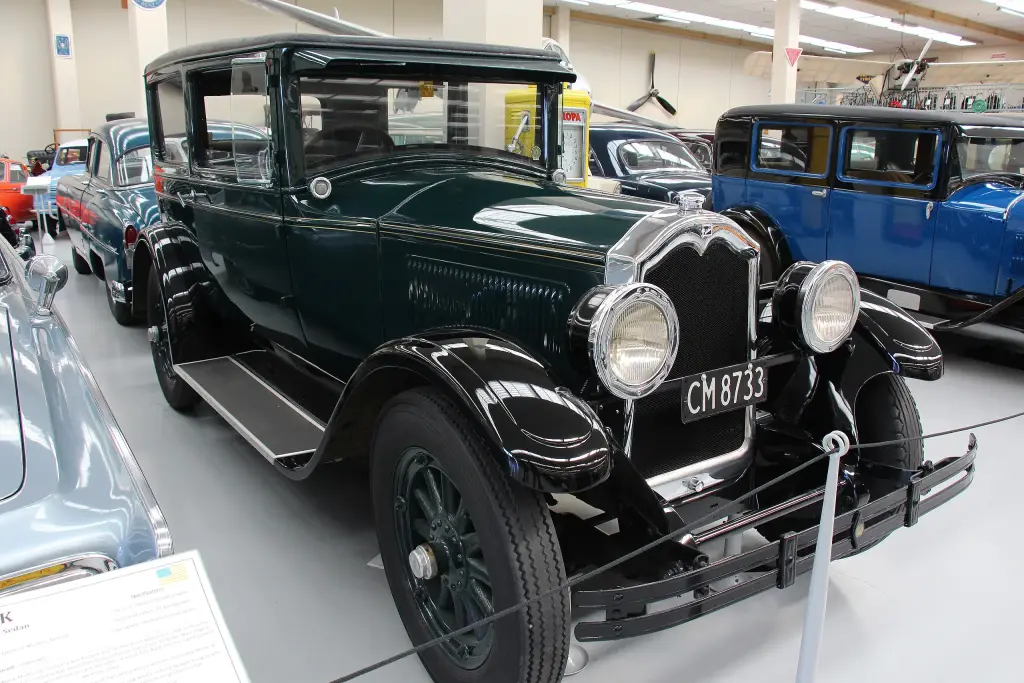
The Buick Master Six was Buick’s high-end six-cylinder car from 1925 to 1928, sold above the smaller Standard Six. Depending on wheelbase it was also known as the Series 40 or Series 50, and it shared its basic platform with the Oldsmobile Model 30.
Buick Master Six at a glance
| Maker | Buick, General Motors |
|---|---|
| Production | 1925–1928 |
| Class | high-end six-cylinder car |
| Also known as | Series 40 and Series 50, by wheelbase |
| Below it | Buick Standard Six |
| Engine (1925) | 255 cu in (4.2 L) straight-six |
| Engine (1926–28) | 274 cu in (4.5 L) straight-six |
| Platform | GM B platform, shared with Oldsmobile |
| Bodywork | Fisher Body |
| Top model | Imperial Sedan Limousine, US$2,145 |
| Also built | from knock-down kits at Osaka, Japan |
Based on one source, the English Wikipedia article on the Master Six.
History of the Buick Master Six
After 1924 Buick dropped its four-cylinder engine and designed a small six, the Standard Six, to replace the Buick Four. Above it sat the Master Six, introduced for 1925 on the GM B platform shared with the Oldsmobile Model 30, and powered by the 255-cubic-inch overhead-valve six released the year before.
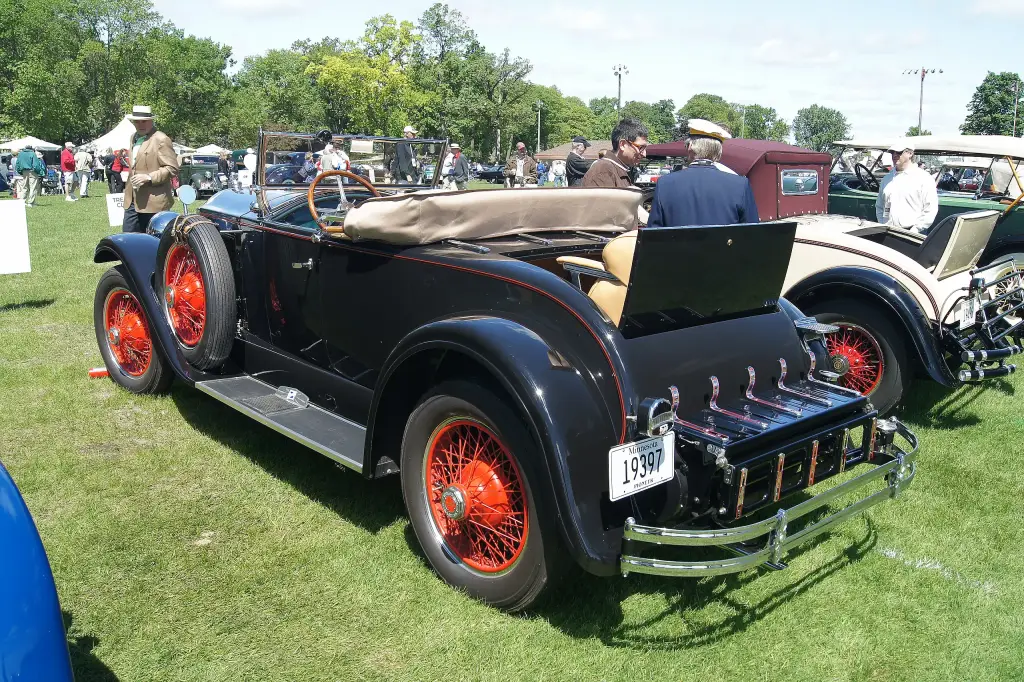
Buick’s reputation was for conservative luxury, against the more extravagant and expensive Cadillac and Packard Six. In China the marque acquired a following: the last emperor, Puyi, bought two 1924 Master Six cars, which helped make Buick the country’s most popular car.
To prove durability, Buick president Harry H. Bassett had a Touring Sedan driven around the world through the dealer network, with each dealer responsible for driving the car to the next and signing the log book. The 1927 cars brought the Gothic Goddess hood ornament to all Buicks, and the top of the radiator grille took a scalloped shape blending into the engine cover, offered from 1925 to 1928 only.
The engine grew from 255 to 274 cubic inches for 1926–28, and again to 309 cubic inches for the Series 121 and 129 in 1929 and the Series 40 in 1930, after which all six-cylinder engines were dropped: every 1931 Buick had the new straight-eight. In 1929 the Master Six used the Series 121 and 129 designations to denote wheelbase length, and from 1930 it was renamed the Series 40.
Coachwork came from Fisher Body, and Duco lacquer from DuPont gave Buick one of the first quick-drying multi-colour paint ranges. Roadsters and touring sedans could fold their windscreens forward onto the cowl for open-air driving. The top of the range was the Imperial Sedan Limousine on the 129-inch wheelbase at US$2,145. The Master Six was also assembled from knock-down kits at GM’s short-lived Osaka plant in Japan.
Design and features
- Two six-cylinder lines: the Standard Six below and the Master Six above.
- Growing engine: 255 cubic inches in 1925, 274 from 1926.
- Fisher coachwork: bodies from GM’s own supplier, with DuPont Duco paint.
- World tour: a Touring Sedan was driven around the globe to prove durability.
Buick Master Six versions
- Series 40 and 50: the same car under two wheelbase designations.
- Imperial Sedan Limousine: the 129-inch flagship at US$2,145.
- Sport Roadster: the open two-seater.
- Osaka-assembled cars: built from knock-down kits in Japan.
The Master Six sat above the smaller Buick Six and was renamed the Special line in 1936. More Buicks are in the Buick collection.
Sources
- Buick Master Six, English Wikipedia: origins, engines, coachwork, markets