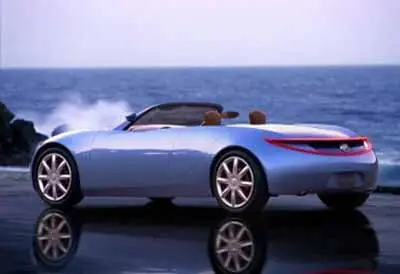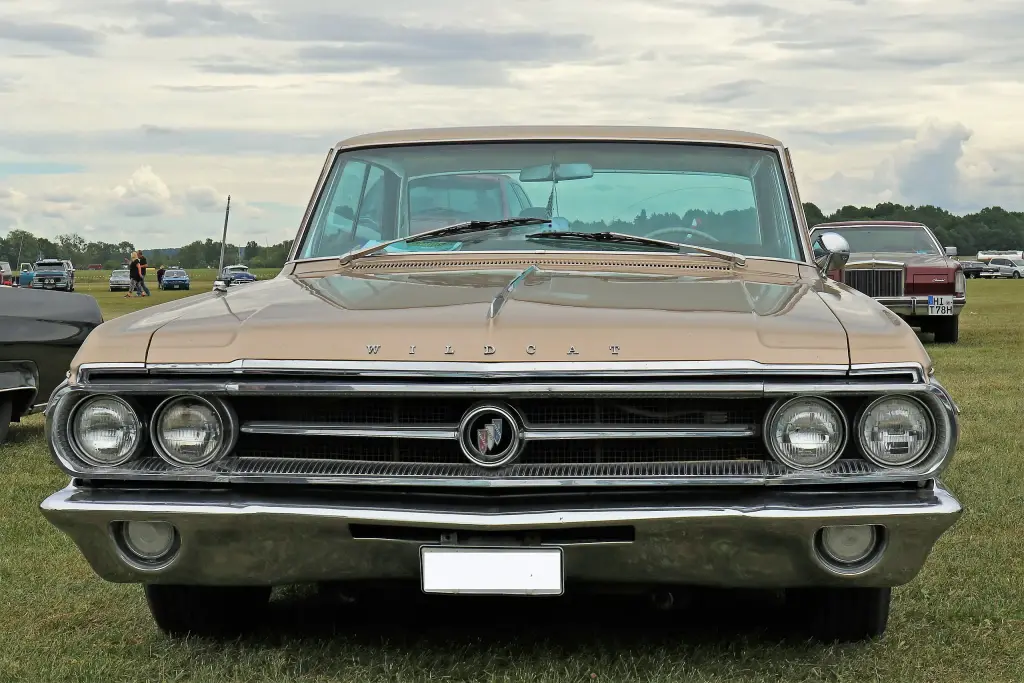
The Buick Wildcat was a full-size car built for the 1963 to 1970 model years, taking its name from a series of 1950s Buick concept cars. It was the higher-performance full-size Buick, slotted between the LeSabre and the Electra, and it replaced the Invicta.
Buick Wildcat at a glance
| Maker | Buick, General Motors |
|---|---|
| Production | 1963–1970 (as a subseries in 1962) |
| Class | full-size car |
| Position | between the LeSabre and the Electra |
| Bodies | two- and four-door hardtop, convertible, pillared sedan |
| Wheelbase | 123 in (3,124 mm) |
| Standard engine (1963–66) | 401 cu in V8, 325 hp |
| Optional (1964–66) | 425 cu in V8, 340 or 360 hp |
| 1967–69 | 430 cu in V8, 360 hp |
| 1970 | 455 cu in V8, 370 hp |
| 1962 price | US$3,927 |
| Replaced by | Buick Centurion for 1971 |
Based on one source, the English Wikipedia article on the Wildcat.
History of the Buick Wildcat
In 1962 the Wildcat was a subseries of the Invicta: a two-door hardtop with a high-performance 325 hp version of the 401-cubic-inch Nailhead V8, named the Wildcat 445 for its 445 lb·ft of torque. To set it apart, it had Electra 225-style tail lamps, a bucket-seat interior, a centre console with tachometer and shifter, its own side trim, a vinyl roof and a stylised wildcat head on each C-pillar. It kept the trio of VentiPorts for that year only. The list price was US$3,927.
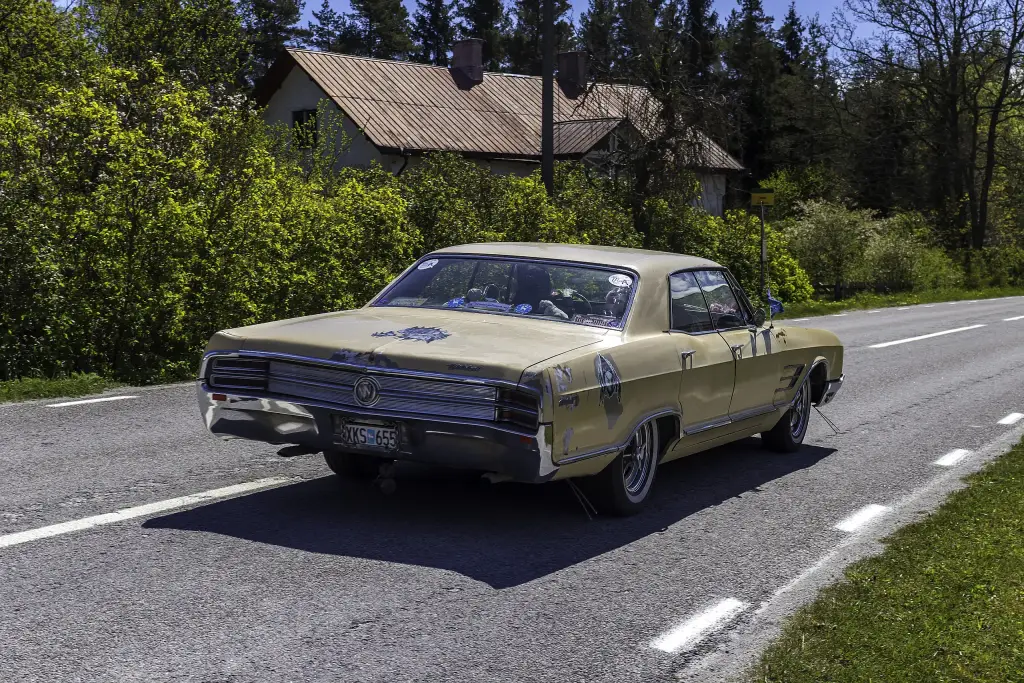
From 1963 the Wildcat was a series in its own right. The 1963 car had a large aluminium side panel, while the 1964 cars used vertical chrome hash marks behind the front wheels instead of horizontal VentiPorts. A convertible and a four-door hardtop joined the original coupe, and for 1964 a pillared four-door sedan as well, with standard and custom trim levels.
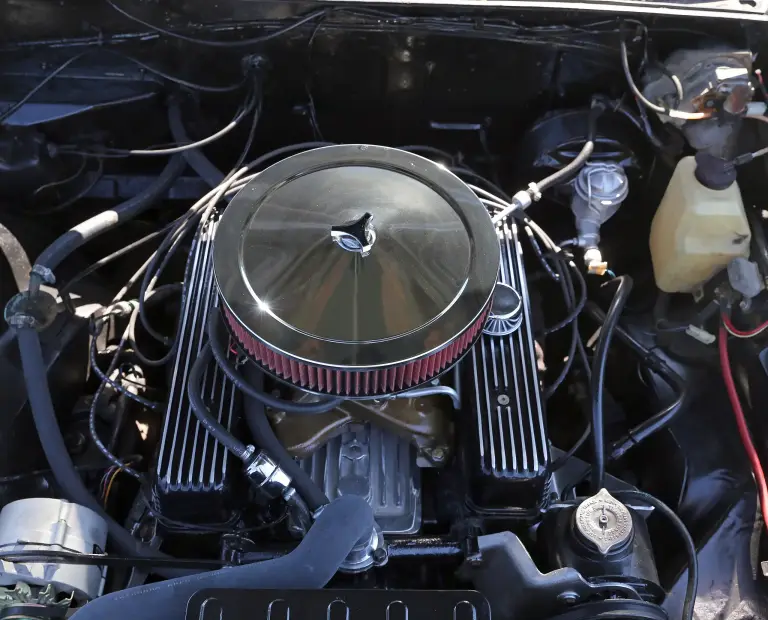
The 401 Wildcat V8 remained the standard engine through 1966. From 1964 to 1966 a larger 425 was available, giving 340 hp with a four-barrel carburettor or 360 hp with twin four-barrels and finned aluminium valve covers. Engine names referred to torque rather than size: the Wildcat 445 was the 401, the Wildcat 465 was the 425, and the dual-quad version was called the Super Wildcat. A three-speed column-shift manual became standard in 1964, with a four-speed manual or the Super Turbine 400 automatic as options.
For 1966 there was a one-year Gran Sport Performance Group, option A8/Y48, with the single-carburettor 425 as standard and the 360 hp dual-carb set-up at extra cost. It added dual exhaust, heavy-duty suspension, a limited-slip differential and GS badging. Only 1,244 Wildcat GS cars were built that year, 242 of them convertibles, and just 22 were Super Wildcats.
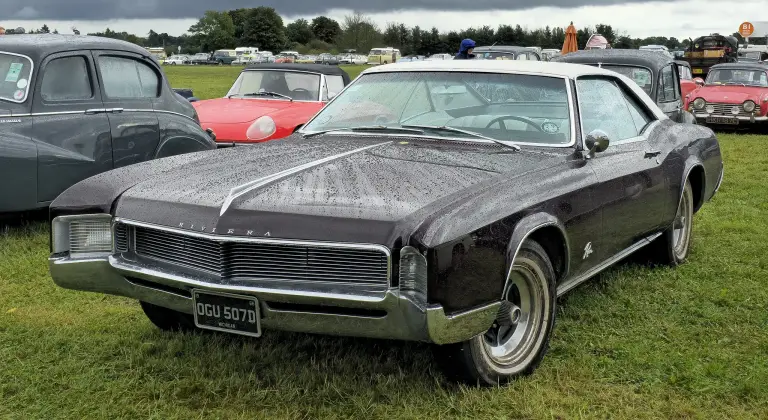
The 1967 cars adopted the Riviera’s arched beltline over the rear wheels, a development of the Sweepspear, and a new 430-cubic-inch V8 of 360 hp with larger valves replaced the old Nailhead designs. The 430 lasted through 1969; for 1970 it was replaced by the largest Buick V8 ever, a 455-cubic-inch unit of 370 hp and more than 500 lb·ft. After the 1970 model year the Wildcat was replaced by the Centurion.
Design and features
- Torque-named engines: Wildcat 445, Wildcat 465 and Super Wildcat.
- Own emblem: a stylised wildcat head on the C-pillars of the 1962 car.
- GS package (1966): only 1,244 cars, 242 of them convertibles.
- Biggest Buick V8: the 455 of 1970 ended the line.
Buick Wildcat versions
- Invicta Wildcat (1962): the original subseries with the 401.
- First generation (1963–64): its own series, with convertible and sedan bodies.
- Second generation (1965–70): 401, 425, 430 and finally 455 power.
- Wildcat GS (1966): the one-year performance package.
The Wildcat replaced the Invicta and was itself replaced by the Centurion, sitting below the Electra. More Buicks are in the Buick collection.
Sources
- Buick Wildcat, English Wikipedia: 1962 subseries, generations, engines, GS package