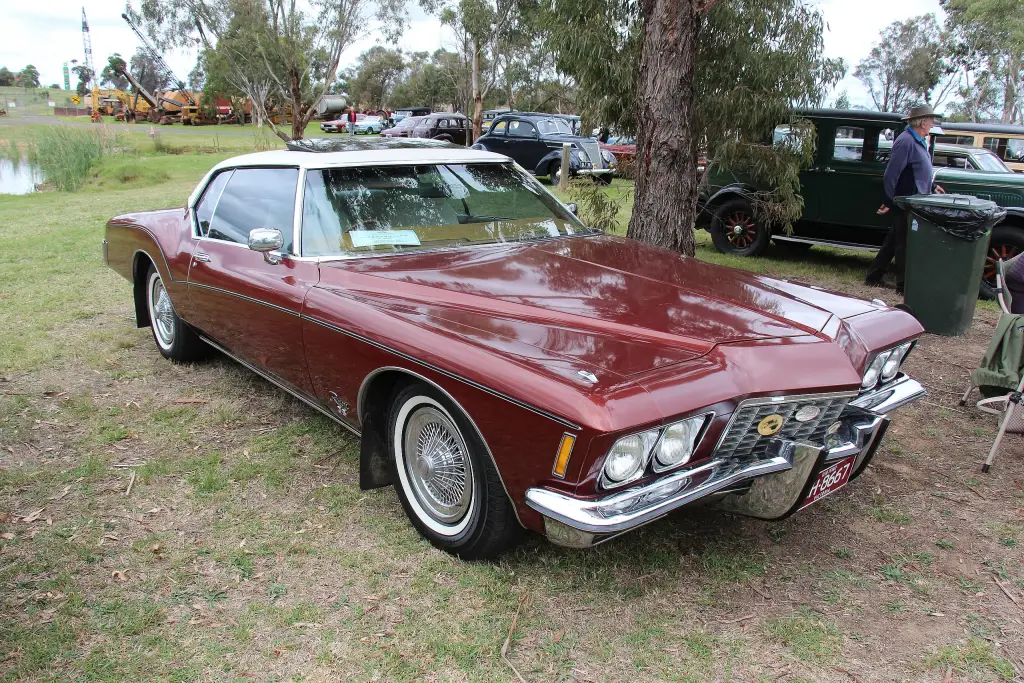
The 1971–1973 Buick Riviera, known as the “boat-tail”, is one of the most debated American designs of its time. Bill Mitchell, General Motors’ styling chief, wanted a dramatic personal coupé with a tapering Sting Ray-style rear, and the result was a very long, very wide Riviera that critics split over then and still do. Sales of 33,810 in 1971 were the lowest to date.
Buick Riviera boat-tail at a glance
| Years | 1971–1973 |
|---|---|
| Design | Under Bill Mitchell’s direction; styled in Buick’s studio under Jerry Hirshberg |
| Platform | Full-size GM B-body shared with the LeSabre and Centurion, with a longer wheelbase (+3 in) |
| Engine | 455 cu in V8; 1971 rated at 255 hp net (265 hp in the Gran Sport) |
| Performance | 0–60 mph in 8.1 seconds for the 1971 GS |
| Sales | 33,810 in 1971; 33,728 in 1972 |
Where the Riviera came from
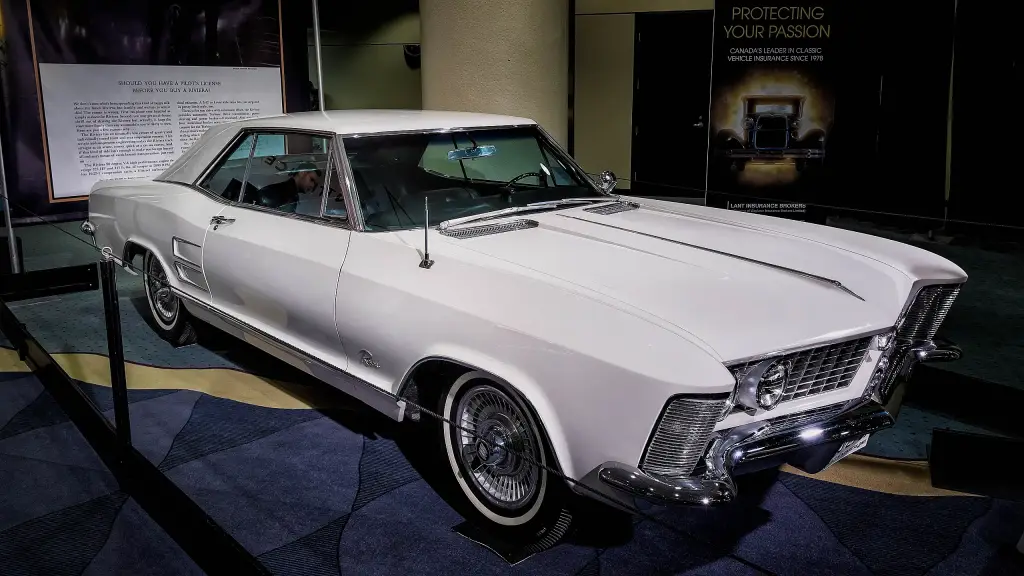
The 1963 Riviera was GM’s first direct answer to the four-seat Ford Thunderbird. Its sharp-edged roofline was suggested by a Hooper-bodied Rolls-Royce that Bill Mitchell once saw through a London fog, and the car sold over 100,000 units in three years. By the 1970 model year, with greater weight, softer suspension and fussy details such as rear fender skirts, the Riviera was starting to look matronly.
A boat-tail for Detroit
Mitchell wanted a different direction for 1971. He loved the rakish “boat-tail” speedsters of the 1920s and 30s, such as the Auburn Speedster, and had already used the theme in the design that became the 1963 Corvette Sting Ray. The concept came from designer Don DaHarsh in Mitchell’s own studio, and Gerald Hirshberg’s team in the Buick studio refined it into a full-size clay model with a Sting Ray-like boat-tail and a prominent V windshield.
The design had been intended for a smaller platform, the A-body of the Buick Special and Skylark, but costs intruded: it would have needed many new stampings and new glass. GM president Ed Cole ordered the car redesigned onto the full-size B-body shared with the LeSabre, which made it at least a foot longer and about three inches wider than the designers had wanted, and the car used the B-body windshield and side windows. Only the dramatic curved rear window was new glass.
Changes year by year
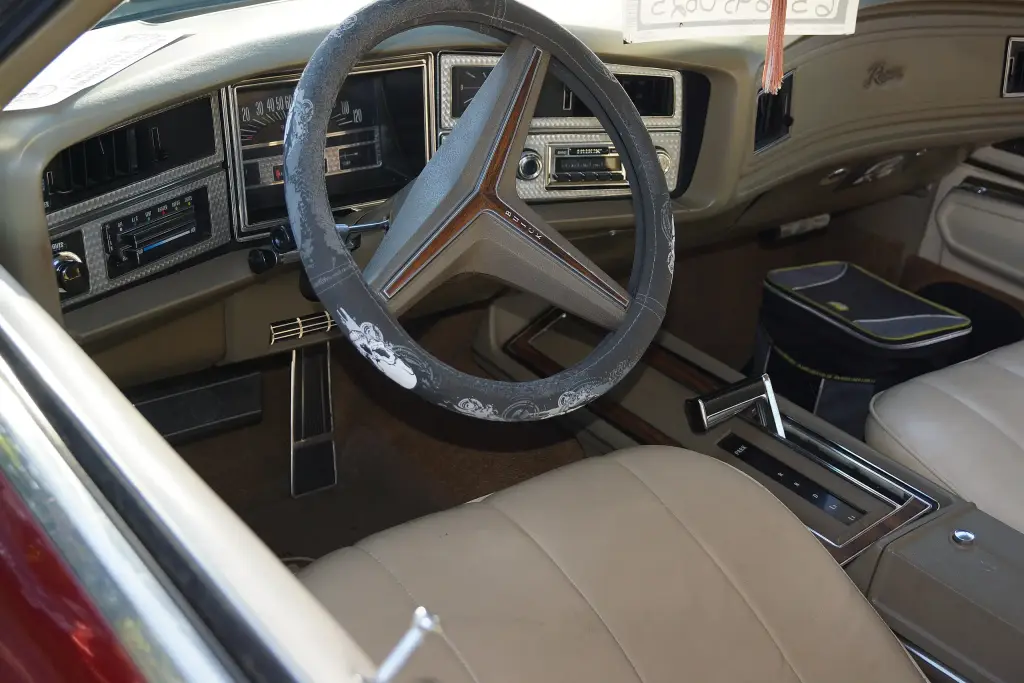
- 1971: the boat-tail launches with a 455 V8, GM’s Full-Flo ventilation and two large louvers on the trunk lid. Sales are 33,810.
- 1972: an egg-crate grille, stronger front bumpers and restyled taillights; the louvers are removed. The 455’s ratings switch to net: 225 hp, or 250 hp in the Gran Sport. Sales are 33,728.
- 1973: a thicker front bumper with guards, a horizontal-slat grille and wrap-around front lamps. GM believed the boat-tail was too radical for most customers, so the deck lid was blunted and made slightly shorter. This was the last year of the design.
More Buick history is in our Buick archive and the Classic Cars collection.
Riviera boat-tail questions and answers
Who designed the boat-tail Riviera?
Bill Mitchell set the direction. According to a former Buick stylist, the concept came from Don DaHarsh, and Jerry Hirshberg’s Buick studio developed it.
Why is it so big?
It was meant for a smaller platform, but GM management had it built on the full-size B-body to share parts, adding length and width.
What engine did it have?
A 455 cu in V8, rated at 255 hp net in 1971 (265 hp in the Gran Sport).
When was it built?
1971 to 1973; for 1973 the tail was blunted.
Based on English Wikipedia and Ate Up With Motor. Accounts of who exactly designed the car vary, so we attribute the design to Mitchell’s direction and the Buick studio.
Sources
- Buick Riviera, English Wikipedia: third generation, engines, sales
- Das Boattail: the 1971–1973 Buick Riviera, Ate Up With Motor: design history, platform change