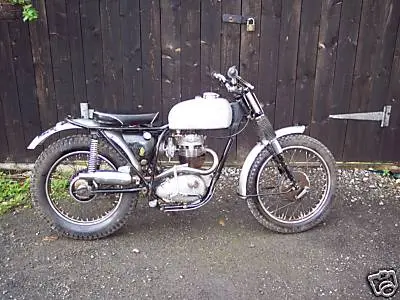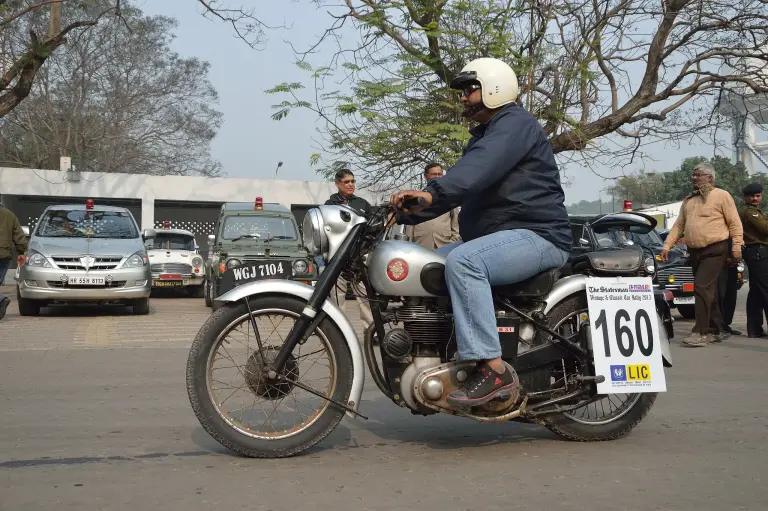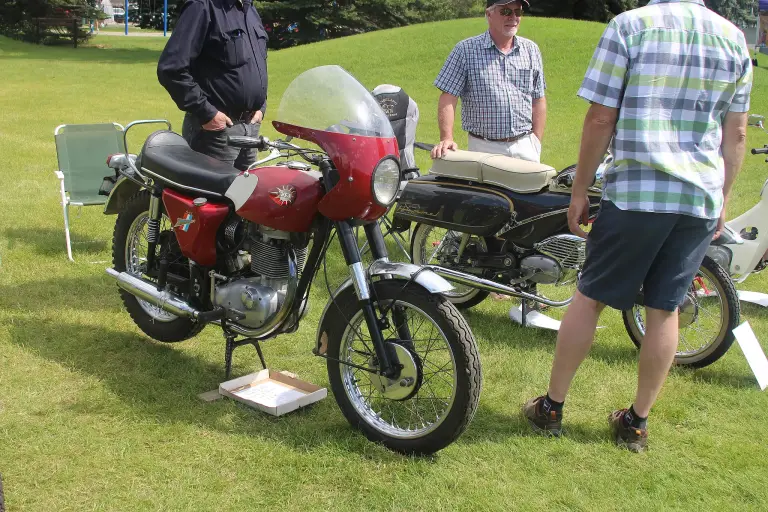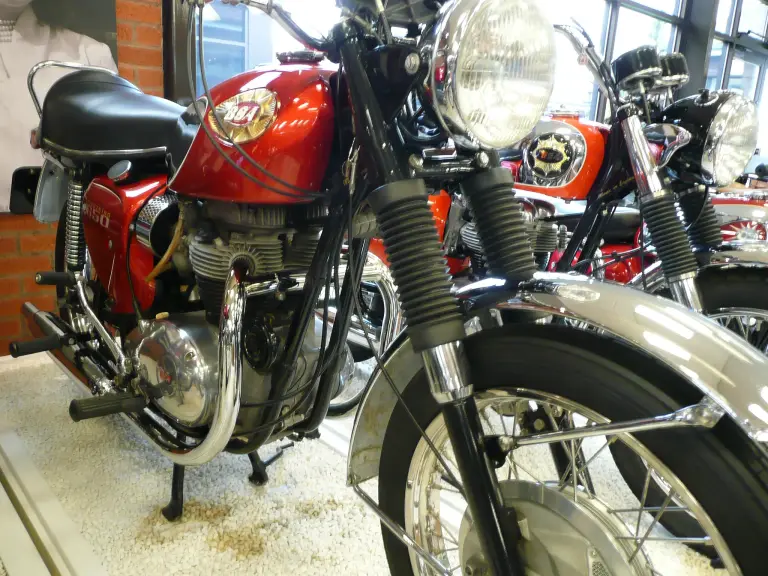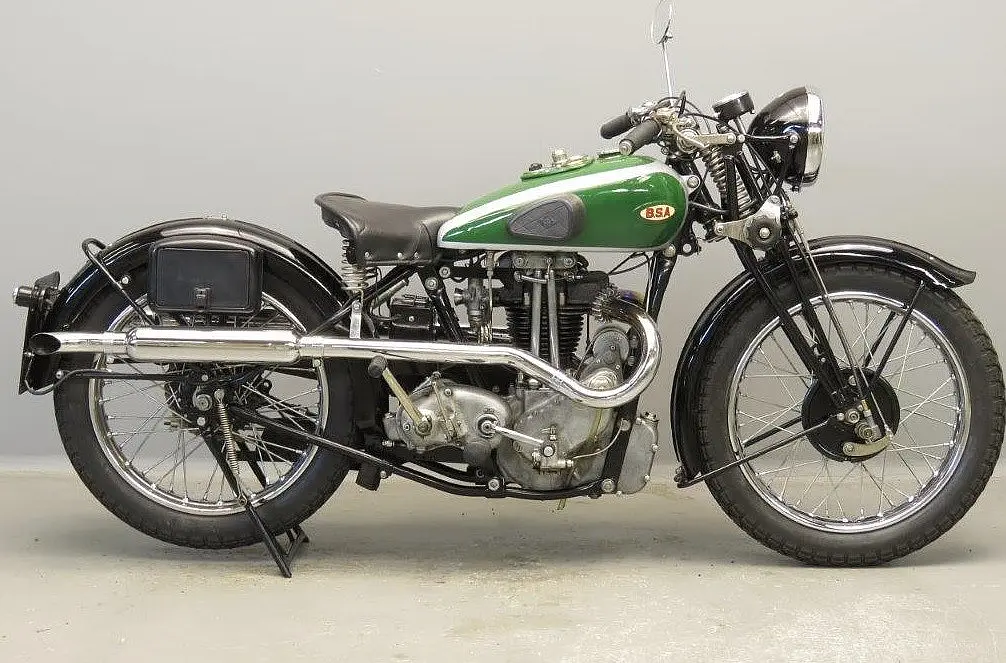
The BSA Blue Star is a British motorcycle made by BSA at its factory in Small Heath, Birmingham. The Blue Star range was produced between 1932 and 1936, and the model became known for its reliability and handling.
BSA Blue Star at a glance
| Maker | Birmingham Small Arms Company, Small Heath |
|---|---|
| Production | 1932–1936 |
| Blue Star Junior | B33-3, 249 cc overhead valve |
| Sporting Blue Star | R33-5, 348 cc overhead valve |
| Most popular model | W33-8, 499 cc overhead valve; Q21 in 1936 |
| Nickname | the “sea beezer” |
| Sales position | BSA’s fifth best seller |
| Successor line | Empire Star, then Gold Star in 1938 |
Based on one source, the English Wikipedia article on the Blue Star, which is short; the page therefore stays close to what that article states.
History of the BSA Blue Star
The Blue Star range was produced between 1932 and 1936. In 1936 a slightly uprated sports version called the BSA Empire Star was launched, with the Blue Star staying in the range as the “New Blue Star, Q21”. In 1937 an entirely new engine designed by Val Page appeared in the Empire Star, and the Blue Star was dropped from the range. The Empire Star then developed into the famous Gold Star in 1938, also known as the M24.
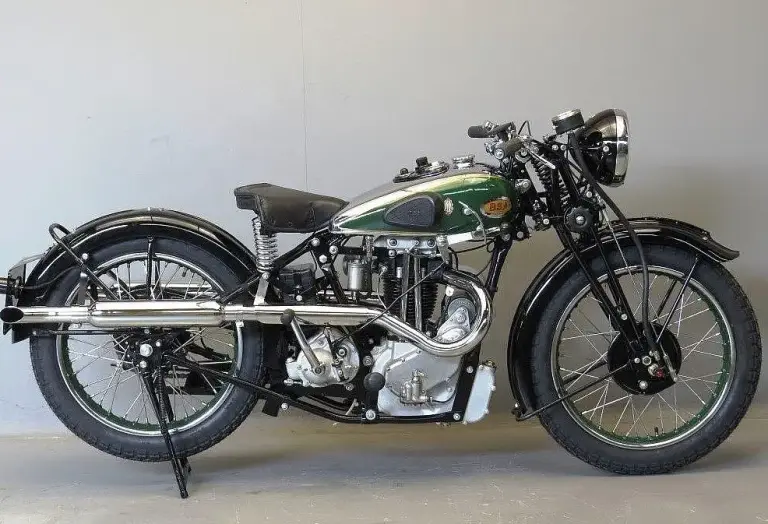
The range was spread across three capacities. The B33-3 overhead-valve 249 cc Blue Star was the Blue Star Junior, and the R33-5 348 cc overhead-valve machine was the Sporting Blue Star. The most popular of the three was the 499 cc W33-8, called the Q21 in 1936, which became known as the “sea beezer” and was BSA’s fifth best seller. It was this 500 that led directly to the development of the Gold Star.
What the Blue Star earned in its short life was a reputation rather than a long list of versions: it was regarded as reliable and as a good-handling machine, qualities that carried over into the Empire Star and then the Gold Star.
Design and features
- Overhead-valve singles: the range covered 249, 348 and 499 cc with pushrod overhead-valve engines.
- Reliability: the Blue Star was known for dependable running and sound handling.
- The 500 cc flagship: the W33-8 was the most popular model and the direct ancestor of the Gold Star.
- Short but influential life: five years of production, then replacement by the Val Page-engined Empire Star.
BSA Blue Star versions
- Blue Star Junior (B33-3): the 249 cc overhead-valve model.
- Sporting Blue Star (R33-5): the 348 cc overhead-valve model.
- W33-8: the 499 cc overhead-valve machine, the most popular of the range.
- New Blue Star, Q21 (1936): the name the Blue Star carried in its final year alongside the new Empire Star.
The Blue Star led to the Gold Star, and its engine work was taken on by Val Page. More models are in the BSA collection.
Video: BSA 500 BLUE STAR livraison
Video by huguetbonnie on YouTube.
Sources
- BSA Blue Star, English Wikipedia: range, models, place in the range