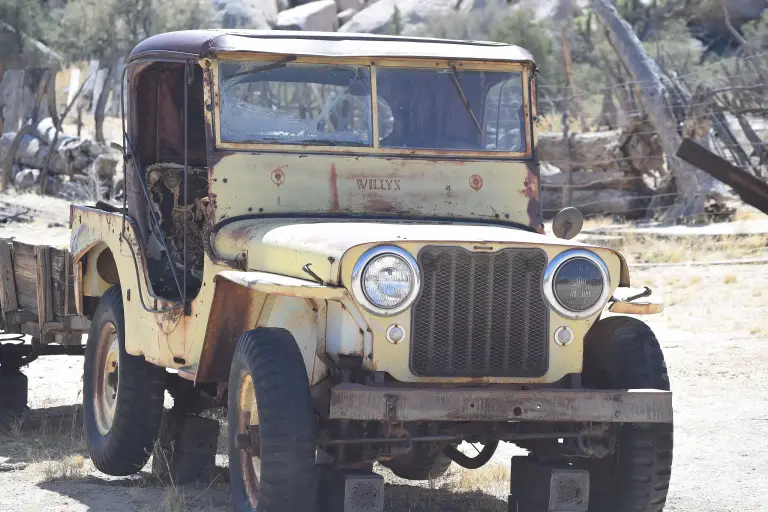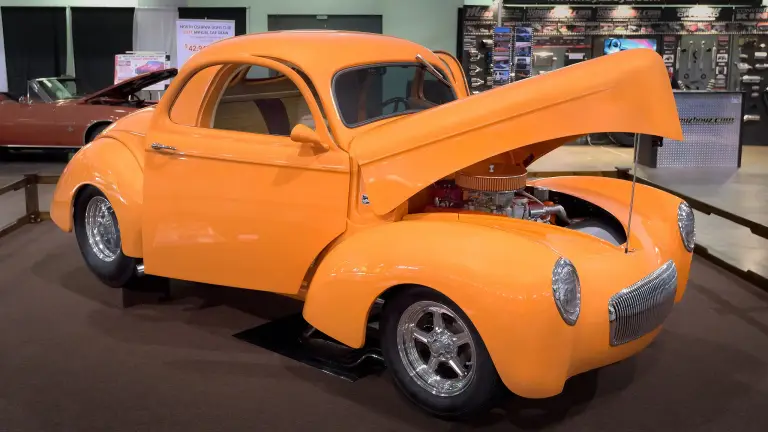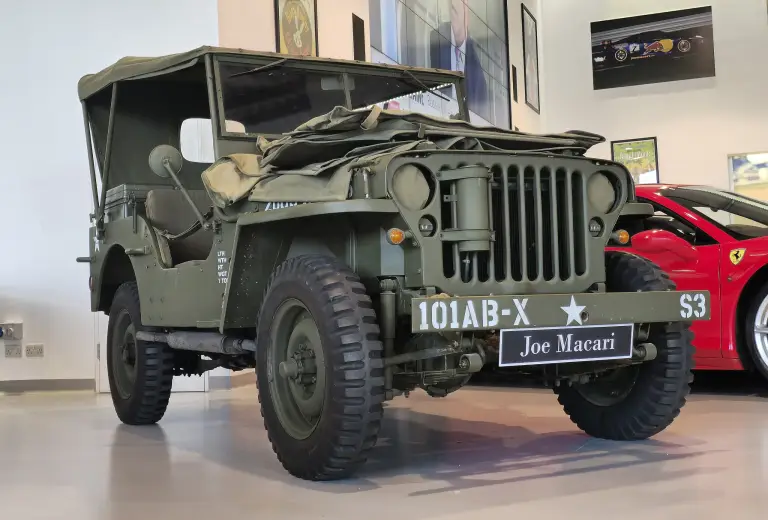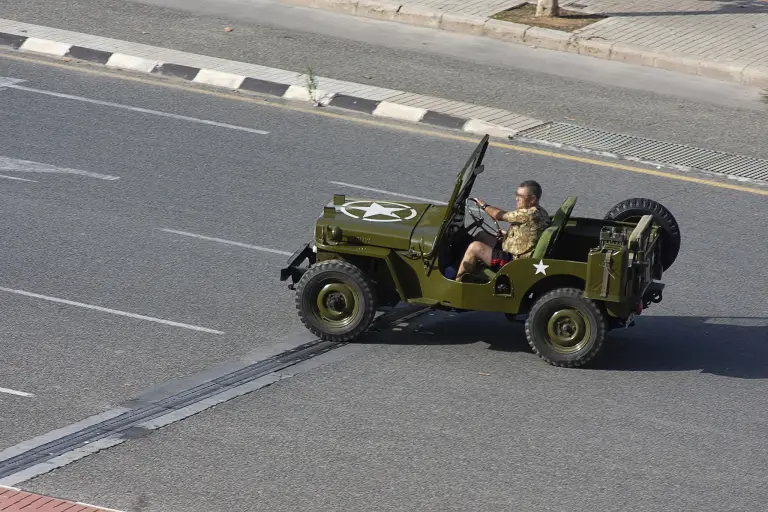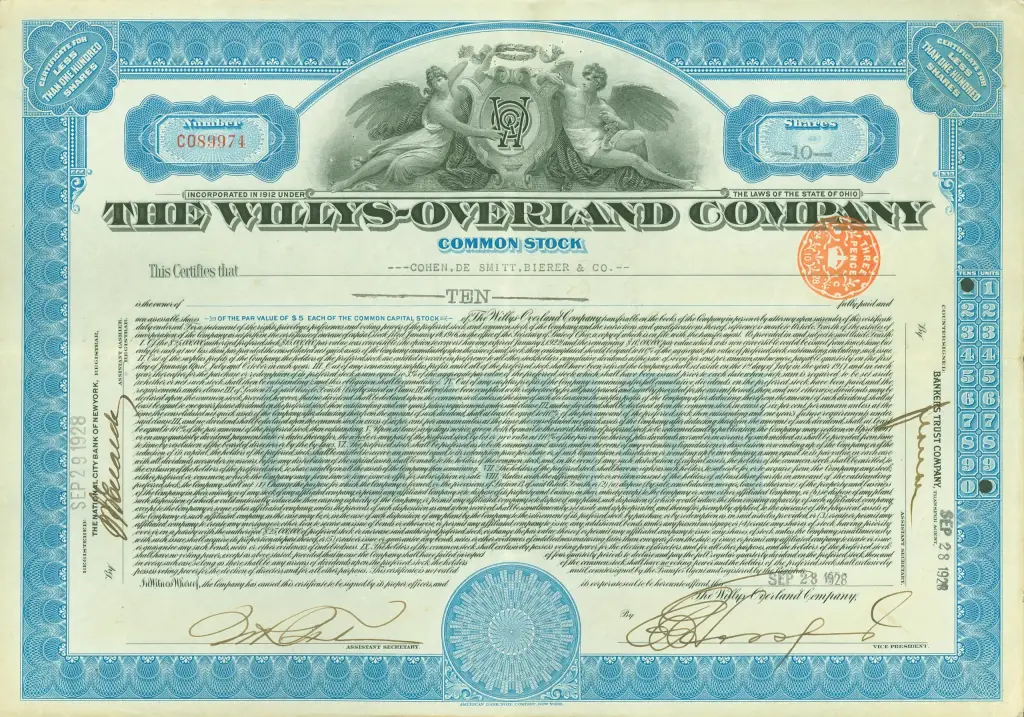
Willys-Overland was an American automobile company founded by John North Willys. From 1912 to 1918 it was the second-largest producer of automobiles in the United States after Ford, and it later became best known for the wartime Jeep, the Willys MB, and for the civilian Jeeps that followed. The Willys Six was one of its early model lines.
Willys-Overland at a glance
| Founder | John North Willys |
|---|---|
| 1908 | bought the Overland Automotive Division of Standard Wheel Company |
| 1912 | renamed Willys–Overland Motor Company |
| Rank | second-largest US producer from 1912 to 1918 |
| 1913 | licence for the Knight sleeve-valve engine |
| 1926 | Willys–Overland Whippet introduced |
| 1933 | Willys 77 became the only new model in production |
| 1936 | reorganised as Willys–Overland Motors |
| 1939 | Model 39 with hydraulic brakes and a 61 hp four |
| 1940–1945 | Willys MB Jeep produced |
Based on the English Wikipedia article on Willys; it covers the company rather than a single model.
History of the Willys-Overland
In 1908 John Willys bought the Overland Automotive Division of the Standard Wheel Company, and in 1912 renamed it the Willys–Overland Motor Company. From 1912 to 1918 Willys was the second-largest producer of automobiles in the United States after the Ford Motor Company. In 1913 it acquired a licence to build Charles Yale Knight’s sleeve-valve engine, used in cars bearing the Willys–Knight nameplate, and in the mid-1920s it bought the F. B. Stearns Company of Cleveland and continued the Stearns-Knight luxury car.
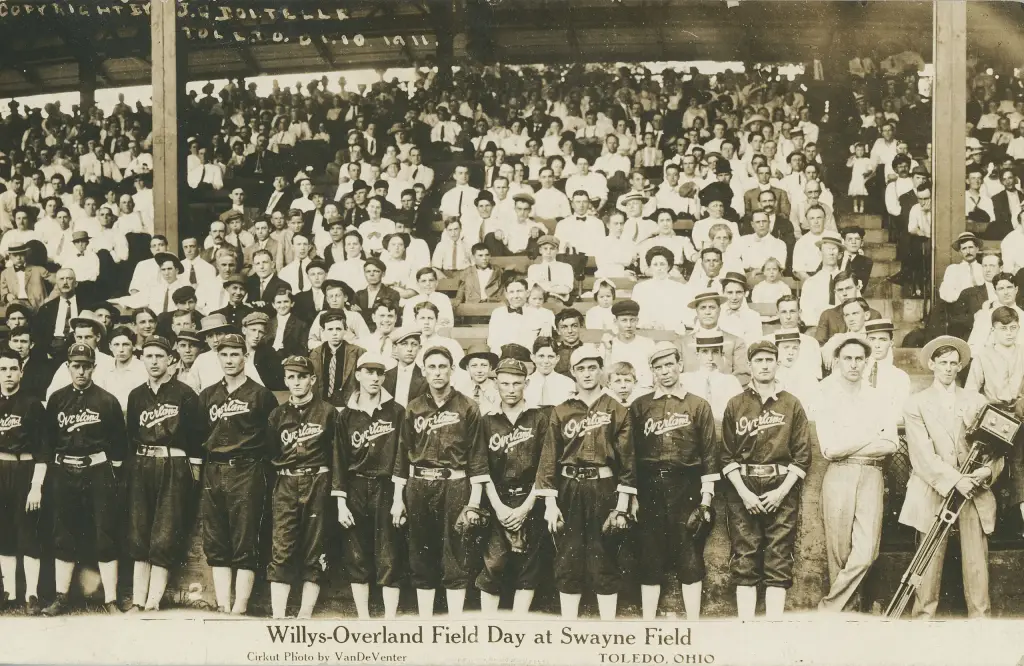
John Willys bought the Electric Auto-Lite Company in 1914 and in 1917 formed the Willys Corporation as a holding company. In 1916 it acquired the Russell Motor Car Company of Toronto and the Curtiss Aeroplane and Motor Company of Buffalo, and in 1919 it bought the Duesenberg Motors plant in Elizabeth, New Jersey. That plant was to be replaced by a larger facility in Indianapolis, where a new Willys Six was to be built, but the depression of 1920–21 brought the corporation down. The bankers hired Walter P. Chrysler to sort out the mess, and the first model to go was the Willys Six, deemed an engineering disaster. Chrysler and three engineers, Owen Skelton, Carl Breer and Fred Zeder, began work on what became the Chrysler Six; the Elizabeth plant and the prototype were sold to William C. Durant, the plant built Durant’s Star, and the prototype was reworked into the 1923 Flint. Chrysler moved to Maxwell-Chalmers and launched the Chrysler Six in January 1924, and in 1925 Maxwell became the Chrysler Corporation.
In 1926 Willys–Overland introduced the small Willys–Overland Whippet. In the depression of the 1930s several Willys brands faltered: Stearns-Knight was liquidated in 1929, Whippet production ended in 1931 and its models were replaced by the Willys Six and Eight, and Willys-Knight ended in 1933. There was even a pickup version of the Whippet called the Willys-Six C-113, of which only 198 were built before International Harvester took it up as the D-1. In 1932 Ward M. Canaday became chairman and guided the company through receivership. Willys planned two new models, the four-cylinder Willys 77 and the six-cylinder Willys 99, but only the 77 went into production, and the company sold its Canadian subsidiary and reorganised. In 1936 Willys–Overland Motor Company became Willys–Overland Motors. The 4-cylinder model was redesigned in 1937, and the 1939 Model 39 brought Lockheed hydraulic brakes, a 102-inch wheelbase and a 134 cu in engine of 61 hp; it was marketed as an Overland and as a Willys–Overland rather than as a Willys. The company’s Jeep, developed from 1940, secured its future.
Design and features
- Early scale: second-largest American car producer from 1912 to 1918.
- Knight licence: sleeve-valve engines for the Willys-Knight and Stearns-Knight lines.
- Whippet and Willys Six: small cars of the late 1920s and early 1930s.
- Willys 77: the cheap four-cylinder model that carried the company through receivership.
- The Jeep: the wartime MB that made Willys famous worldwide.
Willys-Overland versions
- Overland (1908–1912): the original car division bought by John Willys.
- Willys-Knight (1914–1933): sleeve-valve fours, sixes and a V8.
- Whippet (1926–1931): small cars that replaced the older ranges.
- Willys Six and Eight (from 1931): successors to the Whippet.
- Willys Six C-113 pickup: 198 built before International Harvester took it up.
- Willys 77 (1933–1942): the cheap four that kept the company alive.
- Willys 99: a planned six-cylinder model that never entered production.
- Model 39 (1939): hydraulic brakes, a longer wheelbase and a 61 hp engine.
The company’s cheap model is described in the Willys 77 article, the luxury line in Willys-Knight, and the wartime product in the Willys MB. More cars are in the Willys collection.
Sources
- Willys, English Wikipedia: company history, Whippet, Willys Six, Willys 77