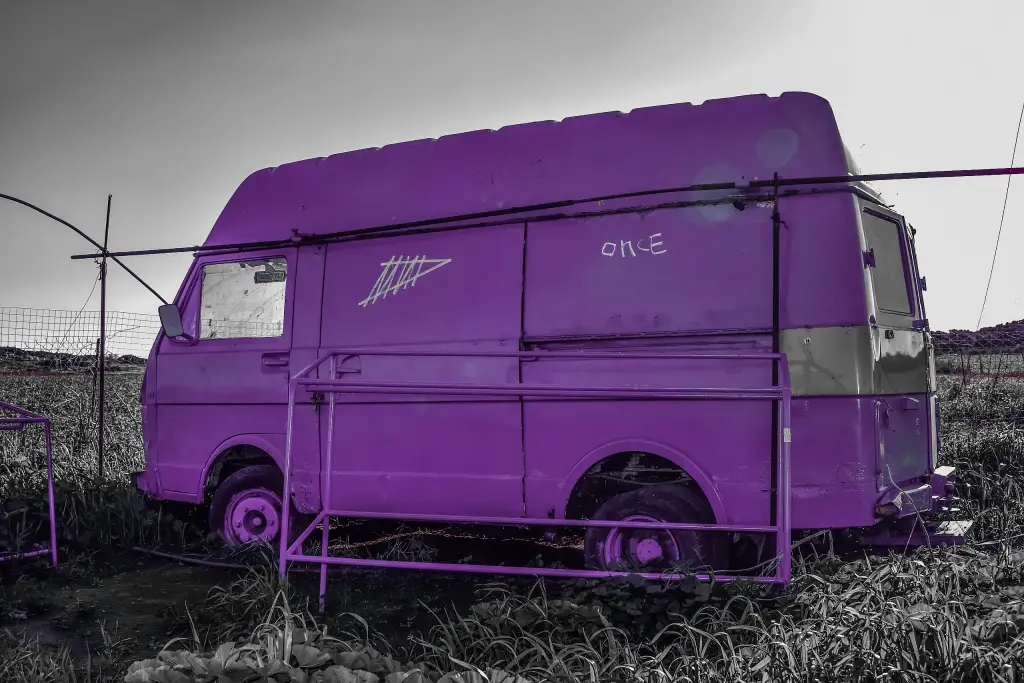
The Volkswagen LT was the largest light commercial panel van of Volkswagen from 1975 to 2006, when the Crafter replaced it. Two generations were built. Its name was as functional as the vehicle: LT simply stands for Lasten-Transporter, a heavy load transporter. The first generation alone accounted for 471,221 vehicles between 1975 and 1996.
Volkswagen LT at a glance
| Maker | Volkswagen, then Volkswagen Commercial Vehicles |
|---|---|
| Production | 1975–2006, two generations |
| Name | Lasten-Transporter, heavy load transporter |
| Launch | 1975 in Berlin |
| First generation | Typ 28 and Typ 21, 1975–1996 |
| First-generation total | 471,221 vehicles |
| Gross weights | 2.8 to 3.5 tonnes at launch: LT 28, LT 31, LT 35 |
| Later weights | LT 40 to LT 55, up to 5.6 tonnes |
| Bodies | panel van, compact, platform vehicle and chassis cab |
| Width | 2,085 mm; about 5.5 m² of load area in the compact van |
| Facelifts | 1983, 1985, 1986 and 1993 |
| Replaced by | Volkswagen Crafter in 2006 |
History of the Volkswagen LT
Volkswagen had introduced the Type 2 in 1950 and developed light commercial versions for Germany and Europe, with the name Kombi becoming a general term for the whole segment. When customers began shipping heavier and bulkier freight, the rear-engined Type 2 reached its limits. The new van was specified from 2.8 to 3.5 tonnes gross vehicle weight, with a conventional rear drive and the engine above the front axle in a forward-control, cab-over layout. It was launched in 1975 in Berlin as the LT, in three gross weights from 2.8 to 3.5 tonnes called LT 28, LT 31 and LT 35, with two wheelbases, two roof options and panel van, compact, platform and chassis cab bodies. The forward-control design and a width of 2.085 m gave a high ratio of useful space to footprint: the compact LT, a little over four and a half metres long, offered a load length of more than three metres and around 5.5 m² of load area.
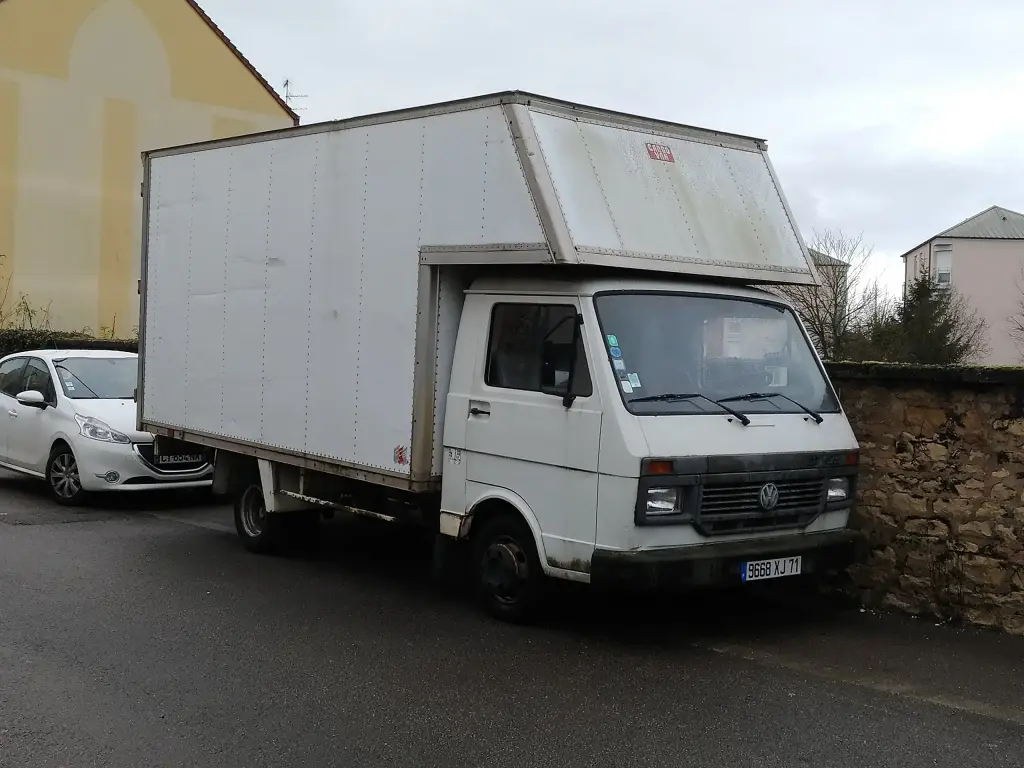
The front axle had independent suspension, with a solid front axle on the heavier LT 40 to LT 55 versions to raise carrying capacity. The first facelift in 1983 changed mostly the interior, moved the engine cover, brought turbo-diesel and inline-six petrol engines and a new dashboard, and added a third wheelbase for platform vehicles up to 4.6 m long. Two years later Volkswagen raised the gross weight again with the 5.6-tonne LT 55, available with a single-tyre rear axle that left more space between the rear wheel arches, and offered an LT with four-wheel drive that could be engaged from the cab. The 1986 facelift changed round headlights for rectangular ones, and in the spring of 1993 new grey-plastic elements appeared on the grille and rear lights, the diesel engines were replaced by more modern versions of the same block, and the engine cover gained an opening for checking the coolant.
Westfalia camper versions included the Sven Hedin and later the Florida, and Karmann built more than 3,000 LT Distance Wide coachbuilt motorhomes. The G Series light truck of six to ten tonnes was a joint venture with MAN built from 1979 to 1993, and the Resende plant in Brazil built trucks of 7 to 35 tonnes using cabs based on the first-generation LT, as the Worker and Delivery still do. German-built LTs and MAN-VW G models were sold in Spain as Pegaso Ekus, and Brazilian-built units went to the United States as Peterbilt Midrangers. A four-wheel-drive LT was also made: Sülzer built 156 six-cylinder cars based on the long-wheelbase LT 40 and LT 45 with single rear wheels, a lifted chassis, 26 mm anti-roll bars, a New Process 208 transfer box and Dana 70 or later Clark-Hurth axles, with rear and centre locking differentials as standard and an optional front lock that became standard in 1991.
Design and features
- Cab-over layout: the engine above the front axle and a high ratio of load space to footprint.
- Many bodies: panel van, compact, platform and chassis cab, with two wheelbases and two roofs.
- Heavy versions: the LT 40 to LT 55 with solid front axles and up to 5.6 tonnes.
- Sülzer 4×4: 156 four-wheel-drive LTs with locking differentials.
- Long afterlife: LT-based cabs were still used by the Brazilian Worker and Delivery trucks.
Volkswagen LT versions
- LT 28, LT 31, LT 35: the original 2.8 to 3.5-tonne range.
- LT 40 to LT 55: the heavier versions with solid front axles, up to 5.6 tonnes.
- Sülzer 4×4: 156 four-wheel-drive LT 40 and LT 45 vehicles.
- Westfalia campers: including the Sven Hedin and Florida.
- G Series: the MAN-VW joint-venture light truck of 1979–1993.
The LT was replaced by the Crafter and sat above the Transporter; its cab lived on in the Brazilian Delivery trucks. More cars are in the Volkswagen collection.
Video: Volkswagen Lt 35 Karmann
Video by PKP H0 Seba on YouTube.
Sources
- Volkswagen LT, English Wikipedia: launch, versions, facelifts, campers, 4×4, rebadging