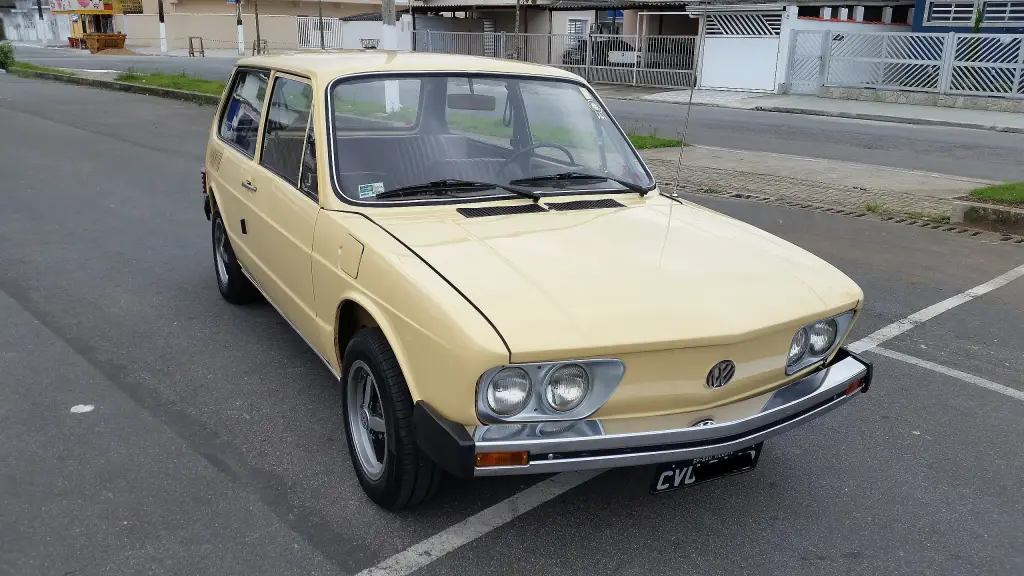
The Volkswagen Brasília is a rear-engined small family car developed by Volkswagen do Brasil and internally coded Type 321. It was built in Brazil from 1973 to 1982, assembled in Mexico from 1975 to 1982 and shipped as kits to Nigeria, where it was sold as the Igala. Designed to replace the Beetle, known in Brazil as the Fusca, it combined an air-cooled engine with the chassis of the Karmann Ghia and styling close to that of the Volkswagen 412.
Volkswagen Brasília at a glance
| Maker | Volkswagen do Brasil |
|---|---|
| Internal code | Type 321 |
| Production | 1973–1982 in Brazil; Mexico 1975–1982; Nigeria 1976–1980 |
| Body | three-door and five-door hatchback |
| Layout | rear-engined, air-cooled flat-four, rear-wheel drive |
| Engine | 1.6-litre flat-four, 46 PS (34 kW) |
| Optional engine | 1,300 cc ethanol unit of 49 PS, from the 1980s |
| Gearbox | four-speed manual |
| Chassis | Volkswagen Karmann Ghia |
| Top speed | 128 km/h (80 mph) claimed in Mexico |
| Built | over one million |
| Assembled in Mexico | 72,377 cars |
History of the Volkswagen Brasília
In September 1970 the president of Volkswagen of Brazil, Rudolf Leiding, challenged the company’s designers to recreate the Fusca with the Brazilian market in mind: a car that would be practical, economical and larger than the Beetle. More than 40 prototypes were developed in three months, but they proved too expensive, and Volkswagen was looking for an inexpensive car to compete with the new Chevrolet Chevette from General Motors do Brasil. Sales began in 1973, after the premiere in May that year.
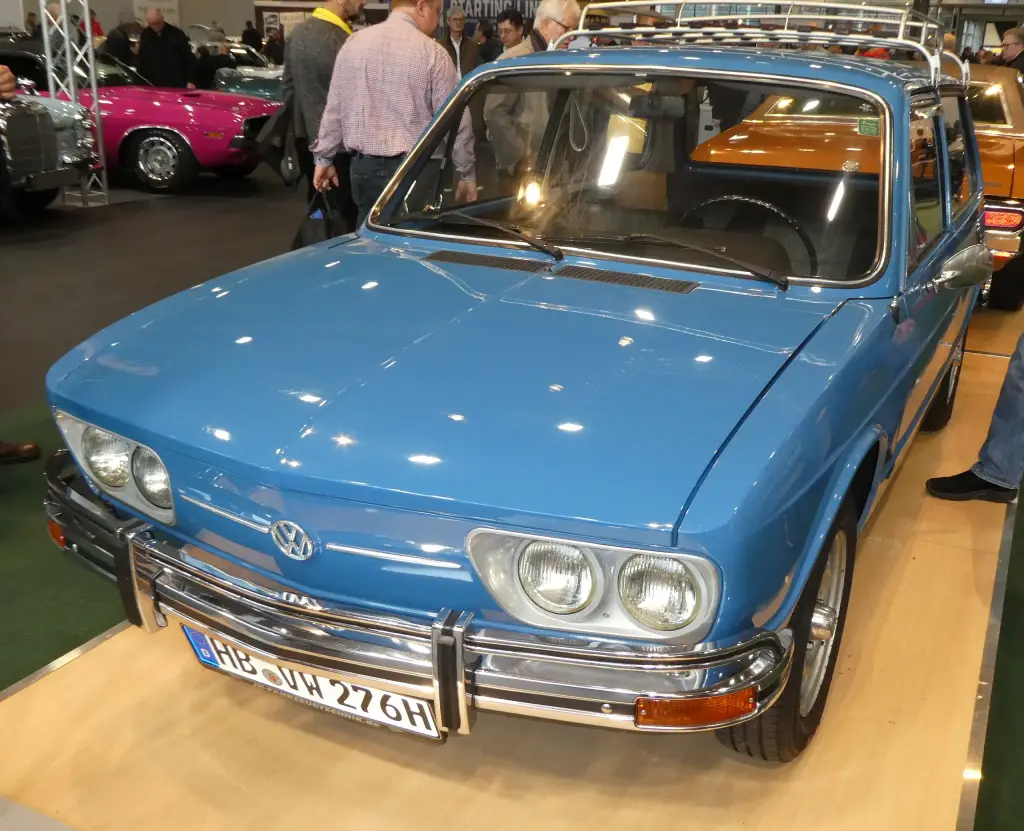
The Brasília was first marketed as a small commercial van to take advantage of lower taxes on vehicles classified as trucks, an approach that may have hampered its early sales. It was the first Brazilian hatchback with five doors, although that version was built in small numbers and more five-doors were exported than sold at home. Production passed one million cars including exports to Chile, Portugal, Bolivia, Peru, Ecuador, Venezuela, Paraguay, Mexico, Spain, Uruguay and the Philippines, and from March 1976 five-door kits went to Nigeria as the Igala. Mexican assembly between 1974 and 1982 produced 72,377 cars, all two-door, with the same 1.6-litre 46 PS engine.
The car had an air-cooled flat-four at the rear, at first with a single carburettor, and a four-speed manual gearbox; in the 1980s a 1,300 cc ethanol engine of 49 PS was offered as an option. A 1974 Brasília with twin carburettors could cover 10.4 km on a litre of petrol on the highway. When the magazine Quatro Rodas tested it against the Chevette in March 1980, the Brasília reached 100 km/h in 23 seconds against 19.7 for the Chevrolet, ran to 129 km/h against 138, and used 13.4 km/l against 15.4. Front disc and rear drum brakes were standard, and from the 1977 model year the car gained dual-circuit brakes and a collapsible steering wheel. In 1975 Volkswagen do Brasil considered a front-engined, water-cooled Brasília, but chose instead to develop the new front-engined Gol, which eventually took its place.
Design and features
- Rear-engined hatchback: an air-cooled flat-four behind the rear axle and a hatchback body, three or five doors.
- Karmann Ghia chassis: the platform came from the Karmann Ghia, with styling close to the 412.
- Tax trick: first sold as a small commercial van to qualify for lower truck taxes.
- Over a million built: including exports and kits assembled in Mexico and Nigeria.
- Ethanol option: a 1,300 cc ethanol engine of 49 PS in the 1980s.
Volkswagen Brasília versions
- Three-door (1973–1982): the main Brazilian body style.
- Five-door (1973–1982): the first five-door hatchback made in Brazil, built in small numbers.
- Mexican two-door (1975–1982): 72,377 cars assembled with the same 1.6-litre engine.
- Igala (1976–1980): the name used for kits assembled in Nigeria.
The Brasília was meant to replace the Beetle, used the chassis of the Karmann Ghia and was eventually succeeded by the Gol. More cars are in the Volkswagen collection.
Video: Volkswagen Brasília – Fuchs Porsche
Video by MegaMococa on YouTube.
Sources
- Volkswagen Brasília, English Wikipedia: origins, production, engines, road test, retirement