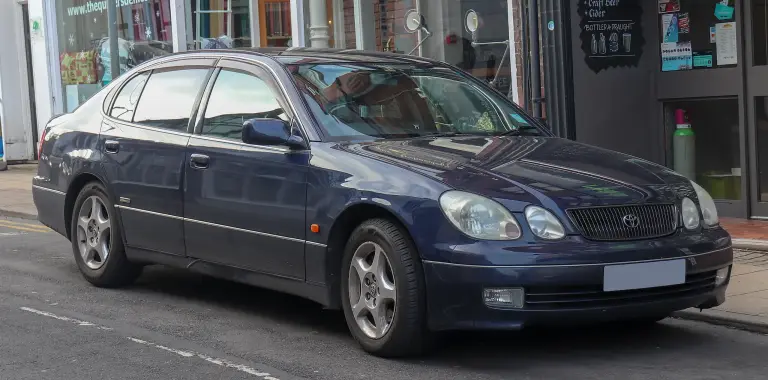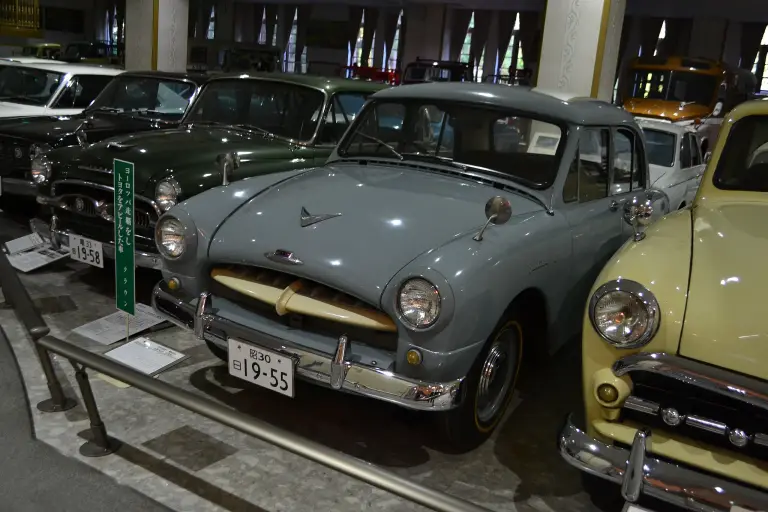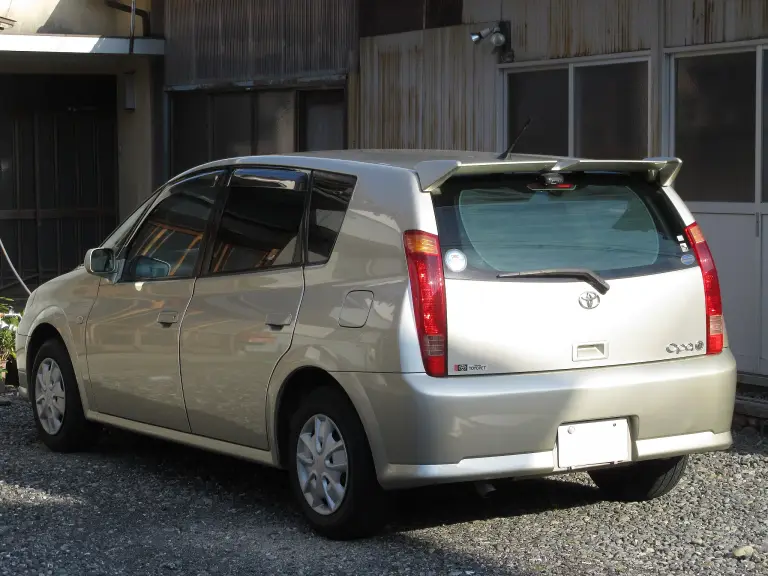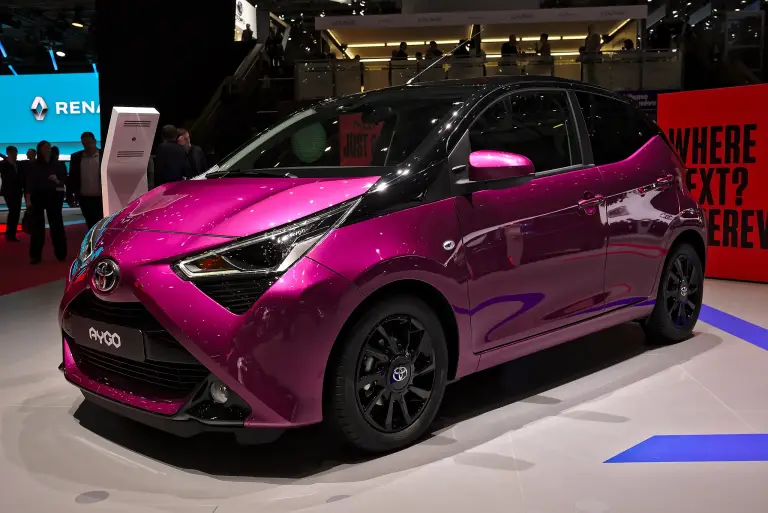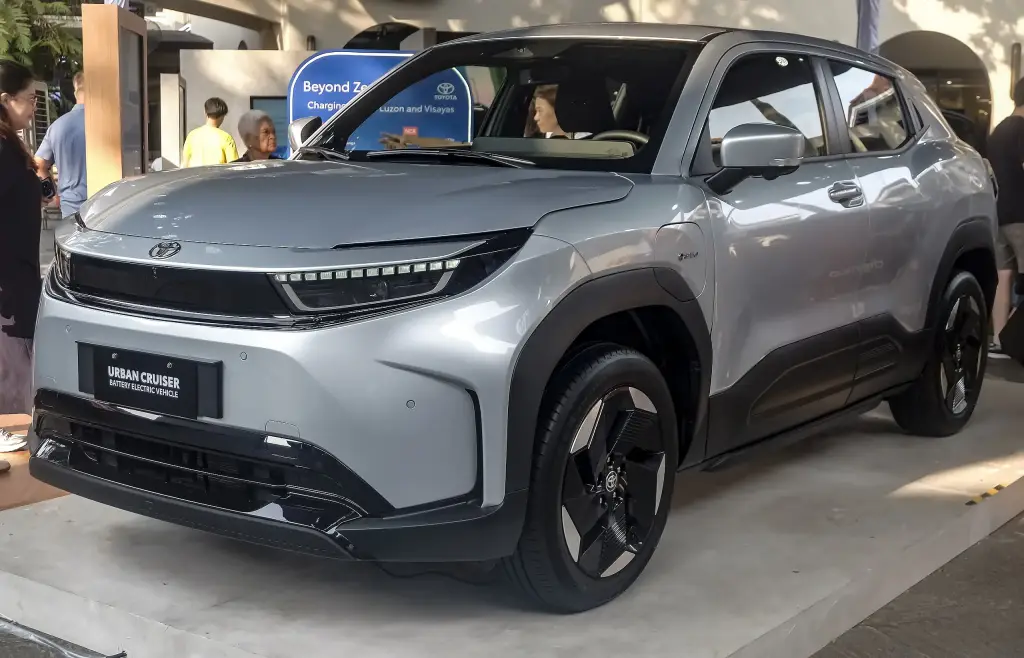
The Toyota Ist was a subcompact car built by Toyota and sold in Japan from 2002 to 2016 under the stylised name “ist”. It was conceived as a high-end multi-use compact with SUV-like styling and wagon-like room, and it was exported to the United States as the Scion xA and xD, to the Middle East as the Toyota xA and to Europe and Latin America as the Toyota Urban Cruiser.
Toyota Ist at a glance
| Maker | Toyota |
|---|---|
| Production | 2002–2016 |
| Class | Subcompact car |
| First generation | XP60, from 8 May 2002 |
| Second generation | XP110, from 30 July 2007 |
| Base | Toyota Vitz |
| Engines | 1.3-litre 2NZ-FE, 1.5-litre 1NZ-FE |
| Drive | Front-wheel drive or four-wheel drive |
| Export names | Scion xA and xD, Toyota xA, Urban Cruiser |
| Name | From the suffix “-ist” |
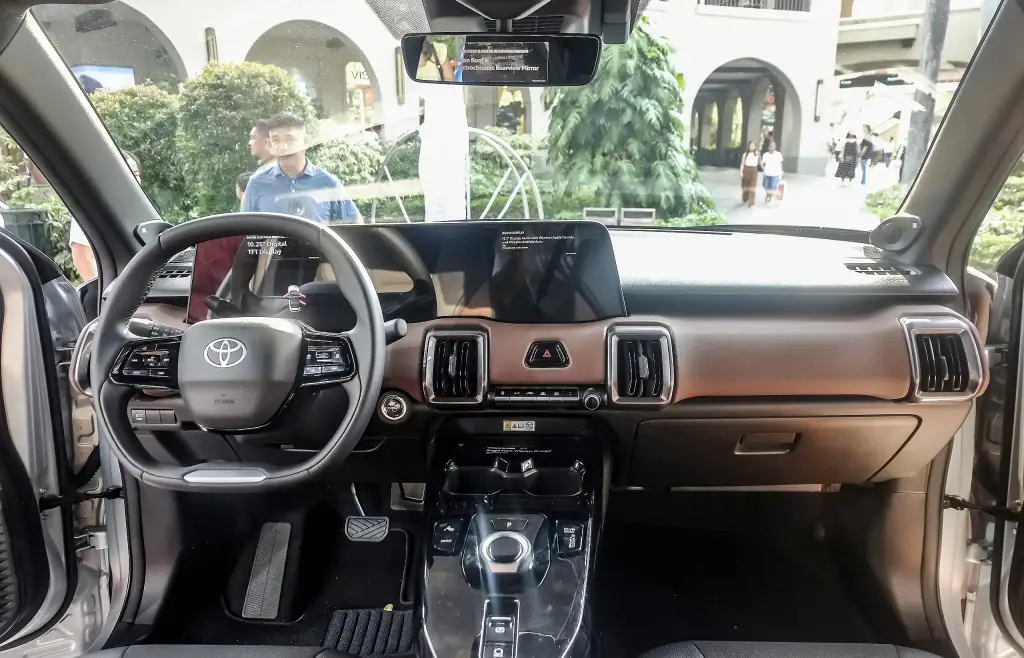
Based on one source: the English Wikipedia article on the Toyota Ist. No separate photograph of a Japanese-market Ist was available, so the article uses photographs of the Urban Cruiser, the same car in European form.
History of the Toyota Ist
First generation (XP60; 2002)
The Ist was based on the first-generation Vitz and shared its platform with the Platz saloon. The model codes were NCP60 for the 1.3-litre front-drive car, NCP61 for the 1.5-litre front-drive and NCP65 for the 1.5-litre four-wheel drive. It first appeared at the 2001 Tokyo Motor Show and went on sale on 8 May 2002 at Netz Store in all prefectures, Toyopet Store outside Osaka and Toyota Store in Osaka itself. A wide grille with two thick horizontal bars, large 15-inch tyres and extended wheel arches gave it a distinctive look, and its body was a size above the Vitz, with more room for passengers and luggage. The 60:40 split rear seats could fold fully, and the body used Toyota’s GOA structure for crash safety. Its central instrument cluster matched other small Toyotas, 42,000 orders arrived at launch, and it was also used by the Shizuoka police.
Second generation (XP110; 2007)
The second-generation Ist went on sale in Japan on 30 July 2007 through Netz Store in 150G and 150X trims, with Super CVT-i mated to the 1NZ-FE engine; four-wheel drive and a centre console were available in Japan, and a 180G with the 2ZR-FE engine was offered until August 2010. Its design was inspired by the 2006 Urban Cruiser concept from Toyota’s ED² studio, and in Europe and Latin America the car was sold as the Urban Cruiser with a revised front end from 2008 until 2014. The Urban Cruiser used a 1,329 cc petrol engine of 99 PS or a 1,364 cc turbo-diesel of 90 PS, with front-wheel drive as standard, an all-wheel-drive option on the diesel and a six-speed manual only. Despite seven airbags, ABS and traction control it scored three stars in Euro NCAP.
End of the line
The Ist had a dealer-installed TRD Turbo option in Japan, with the turbocharged 1NZ-FE engine and TRD suspension, exhaust and brake pads, rather than a separate trim level. Kanto Auto Works built the Ist from January 2010, and manufacture ended in March 2016, with Japanese sales finishing on 29 April 2016. The Yaris Cross replaced it in 2020. The Urban Cruiser name has since been reused on rebadged Suzuki models in India and elsewhere.
Design and features
- Tall hatchback: SUV-like styling with the economy of a small car.
- Vitz base: the same platform as the Yaris, with more cabin and boot space.
- Three badges: Scion xA and xD, Toyota xA and Urban Cruiser.
- TRD Turbo: a dealer-fitted turbo conversion in Japan.
Toyota Ist versions
- NCP60 (2002): 1.3-litre front-wheel drive.
- NCP61 (2002): 1.5-litre front-wheel drive.
- NCP65 (2002): 1.5-litre four-wheel drive.
- Scion xA: the North American version of the first generation.
- XP110 (2007): second generation with CVT.
- Urban Cruiser (2008): European version of the second generation.
The Ist was built on the Yaris platform, and its European version is covered in the Urban Cruiser article. Its taller sibling is the bB, and more cars are in the Toyota collection.
Sources
- Toyota Ist, English Wikipedia: generations, engines, export names