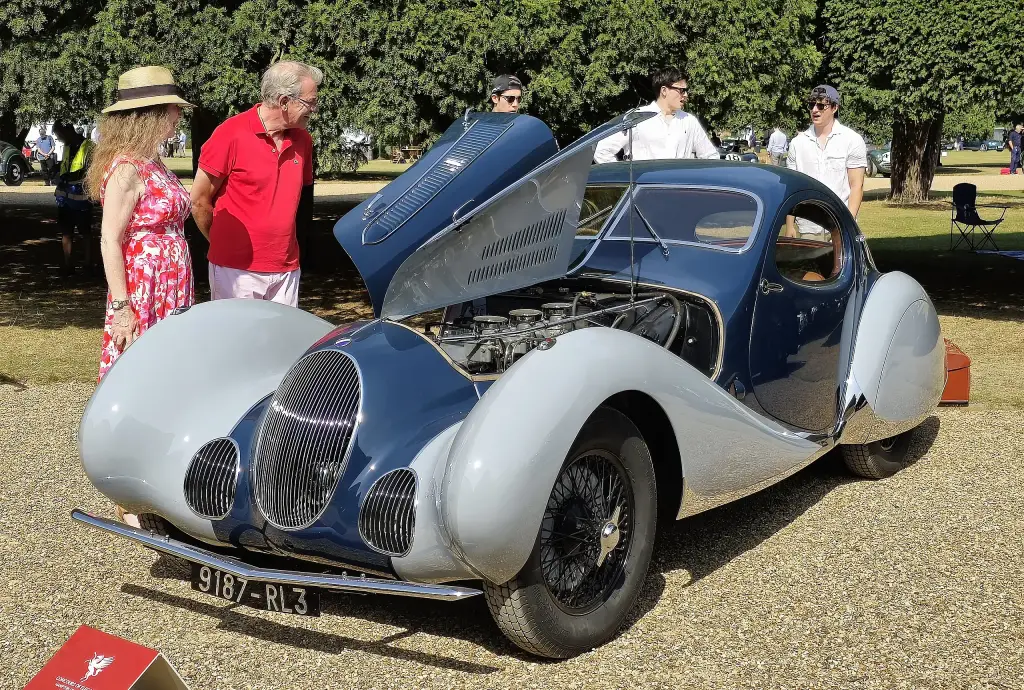
Talbot-Lago was a French automobile manufacturer based in Suresnes, outside Paris, and run by the Italian engineer Antonio Lago. Under his management from 1936 the company produced sporting and racing cars and large luxury models, many with coachbuilt bodies, until it was sold to Simca in 1959.
Talbot-Lago at a glance
| Founded by | Antonio Lago, 1936 |
|---|---|
| Based at | Suresnes, Hauts-de-Seine, France |
| Predecessor | Automobiles Talbot, the Suresnes business of Darracq |
| Products | sporting, racing and luxury cars |
| Coachbuilders | Figoni et Falaschi, Saoutchik |
| Engine range | four- and six-cylinder, up to 4.5 litres |
| Post-war family | T26 Record and Grand Sport |
| Sold to | Simca, 1959 |
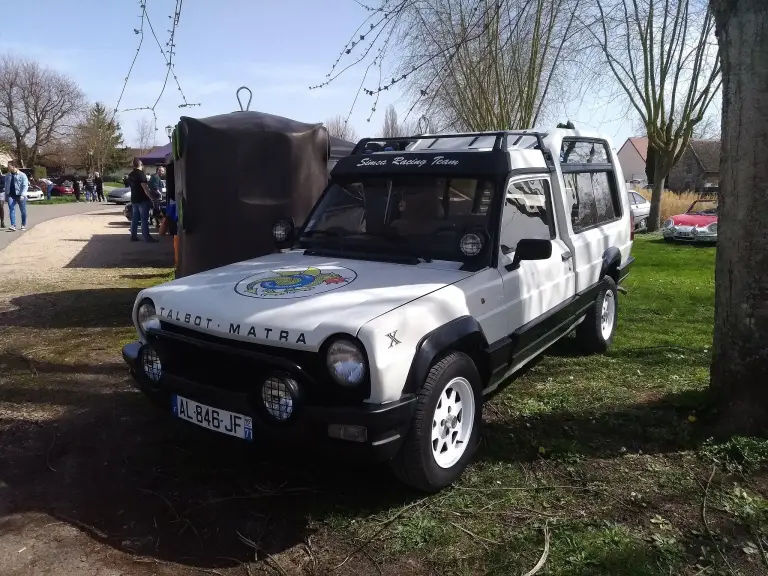
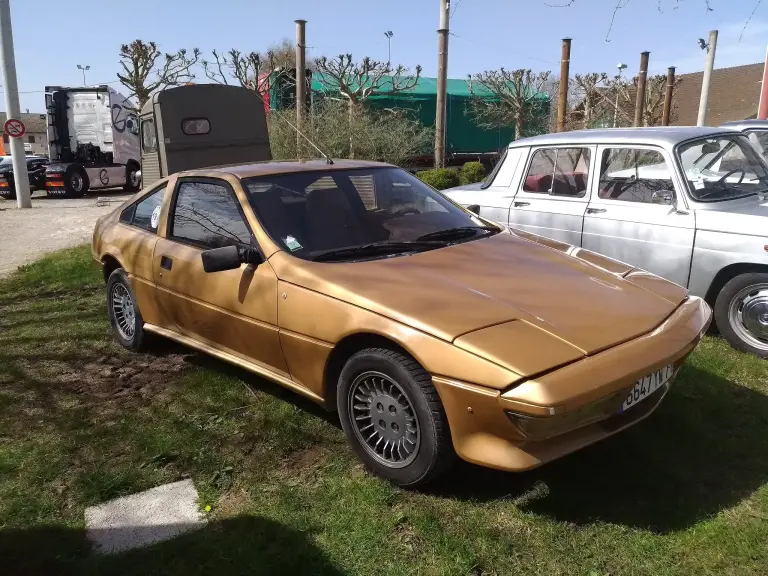
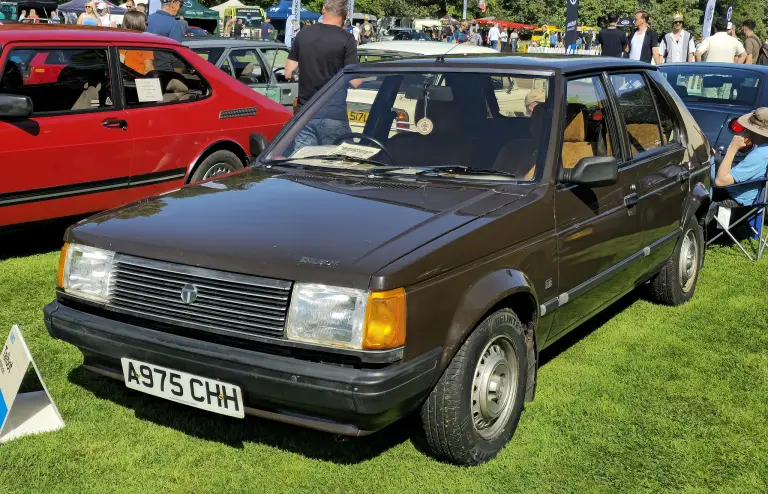
| Name revived | in the early 1980s by PSA |
based on one source (English Wikipedia).
History of the Talbot-Lago
The Suresnes factory had been built by Alexandre Darracq for the car business he began in 1896, which became famous for its racing successes. Darracq sold his remaining share in 1912, and in 1922 the new owners renamed the business Automobiles Talbot: the ordinary cars were badged as Talbots, while competition cars kept the Darracq name in Talbot-Darracq. Because British Talbot cars existed at the same time, French products sold in Britain were badged Darracq-Talbot, Talbot-Darracq or simply Darracq.
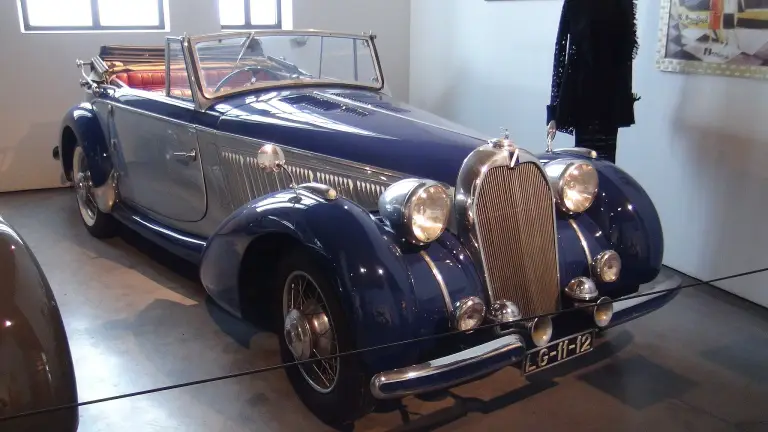
In 1932, after the start of the Great Depression, the Italo-British businessman Antonio Lago was appointed managing director to try to revive the company, but the owners could not avoid receivership beyond the end of 1934. In 1936 Lago completed a management buy-out from the receiver. From 1936 the old range was steadily replaced by cars designed by Walter Becchia with transverse leaf-sprung independent suspension: the four-cylinder 2,323 cc Type T4 “Minor”, the 2,696 cc six-cylinder “Cadette-15”, the 2,996 or 3,996 cc “Major” and its long-wheelbase “Master”. Alongside them was a range of sporting cars built around the six-cylinder “Baby”, including the Lago-Spéciale and Lago-SS with two or three carburettors. Bodies such as the T150 coupé came from coachbuilders like Figoni et Falaschi or Saoutchik.
The model names look bewildering but the range used only four standard chassis lengths, from an extra-short 2,650 mm wheelbase for the Lago SS to a long 3,450 mm chassis for the seven-seater Master. During the war Walter Becchia left for Citroën, and in 1942 Lago was joined by the engineer Carlo Marchetti; the two worked on the twin-camshaft 4,483 cc six-cylinder that would power the 1946 T26.
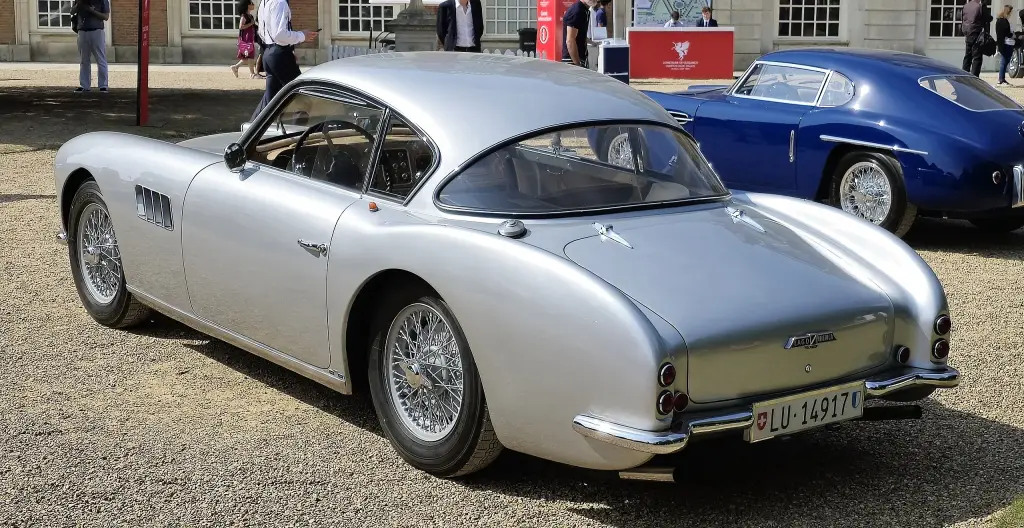
After the war Talbot-Lago was known both for successful racing cars and for large luxury cars, with extensive sharing of chassis and engine parts between them, but the period was one of economic stagnation and the company struggled to find customers. In 1946 it began building a new engine with twin in-block camshafts, a 4,483 cc six used in the Talbot Lago Record (1946–1952) and the Grand Sport 26CV (1947–1954), priced against Delahaye, Delage, Hotchkiss and Salmson. Talbot-Lago outlasted all of those makes, but in 1959 Lago sold the company to Simca. The Talbot name was revived in the early 1980s by PSA.
Design and features
- Lago’s marque: a management buy-out that turned a receivership into a famous sporting name.
- Six-cylinder range: cars from the 2.3-litre T4 to the 4.5-litre post-war T26.
- Coachbuilt bodies: Figoni et Falaschi, Saoutchik and other houses.
- Racing and luxury: competition cars and large saloons sharing components.
Talbot-Lago versions
- T4 Minor: the 2,323 cc four-cylinder model of 1937.
- Cadette, Major and Master: the six-cylinder touring range.
- Baby and Lago-SS: the sporting six-cylinder cars.
- T26 Record and Grand Sport: the post-war 4.5-litre models.
Individual models include the Talbot T4, Talbot Baby and Talbot-Lago T26. More cars are in the Talbot collection.
Sources
- Talbot-Lago, English Wikipedia: company history, model range, chassis lengths