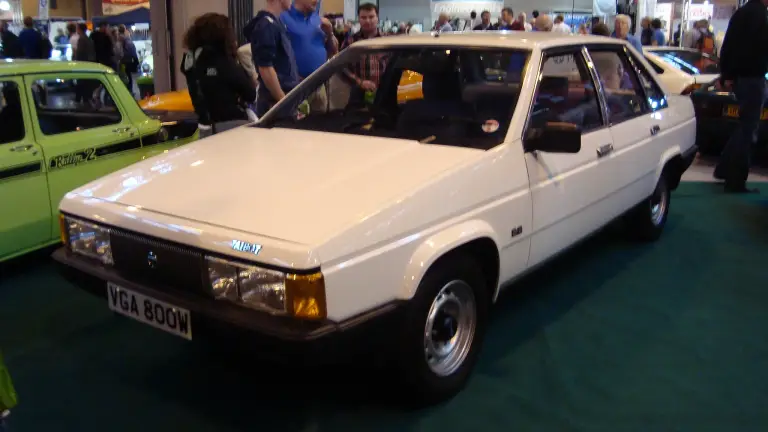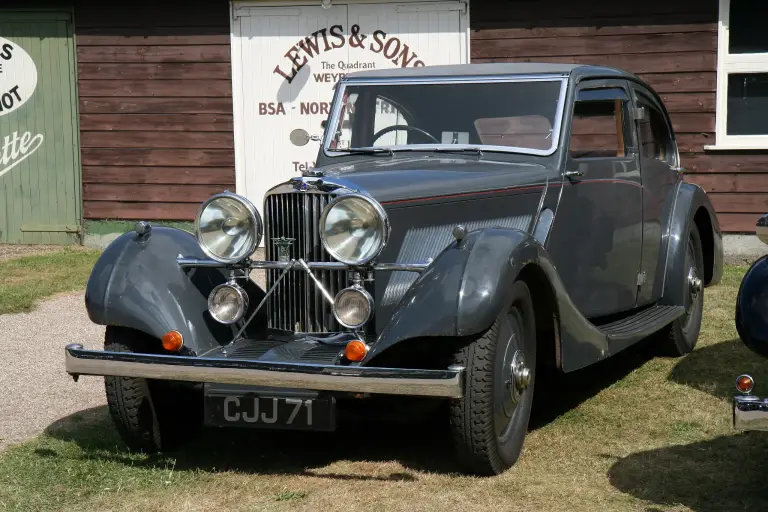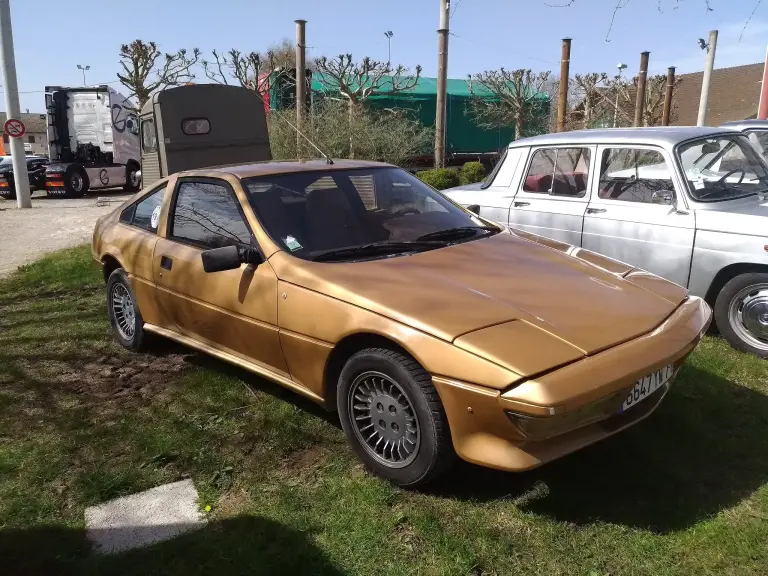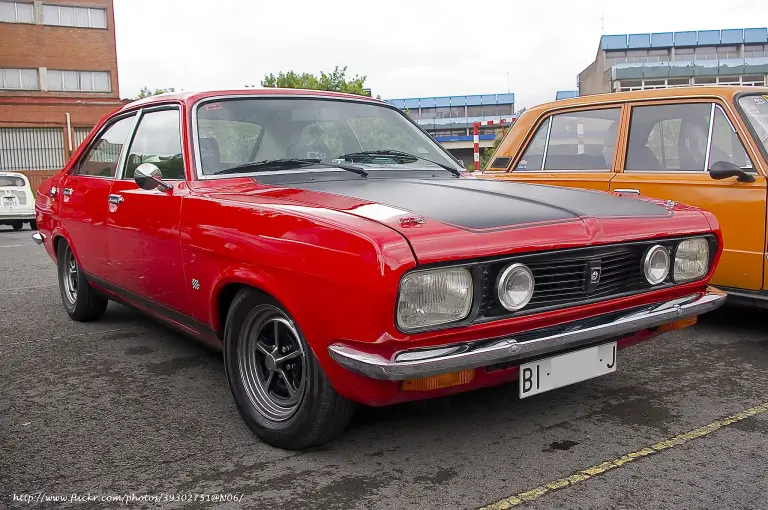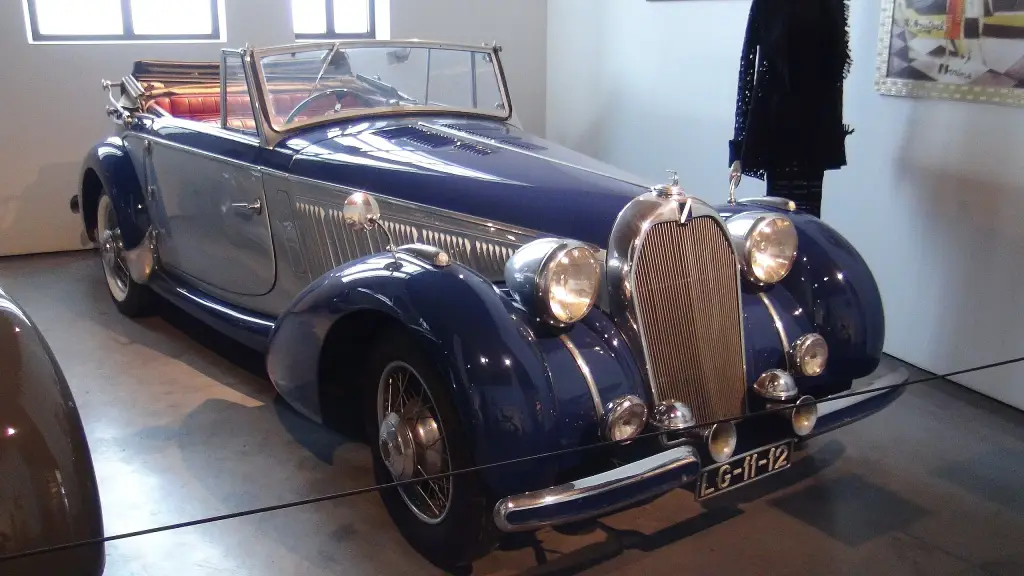
The Talbot Baby was a six-cylinder grand touring car put on sale by the French Talbot company in 1936, one of the first notable models after Anthony Lago took over the French branch of Sunbeam-Talbot-Darracq in 1935. It was built as a two-door four-seat coach, a two-door four-seat cabriolet and a two-door two-seat cabriolet.
Talbot Baby at a glance
| Maker | Automobiles Talbot-Darracq, Suresnes |
|---|---|
| Production | 1936–1942; name revived 1951–1953 |
| Class | grand touring car |
| Chassis | 2,950 mm wheelbase, shortened from the 3,200 mm Cadette/Major chassis |
| Bodies | coach, four-seat cabriolet, two-seat cabriolet |
| Engines | 2,696 cc, 2,996 cc and 3,996 cc six-cylinders |
| Bore and stroke | 78 × 104.5 mm (3.0), 90 × 104.5 mm (4.0) |
| Fiscal classes | 15, 17 and 23 CV |
| Gearbox | four-speed manual, Wilson preselector optional |
| Front suspension | independent, transverse leaf spring |
| Rear suspension | rigid axle, longitudinal leaf springs |
There is no English page for the Baby: the article uses the French page and the English Talbot-Lago article.
History of the Talbot Baby
The Baby appeared in 1936, after Anthony Lago, a Venetian-born engineer who had spent most of his career in the British car industry, bought the French part of the collapsed Sunbeam-Talbot-Darracq group in 1935. The new company was officially Automobiles Talbot-Darracq SA, though in English-speaking countries it was usually called Talbot-Lago; in France the cars kept the Talbot name and the badge used since 1922. Lago set about building a range of touring and sporting cars, and the Baby was unveiled in 1936.
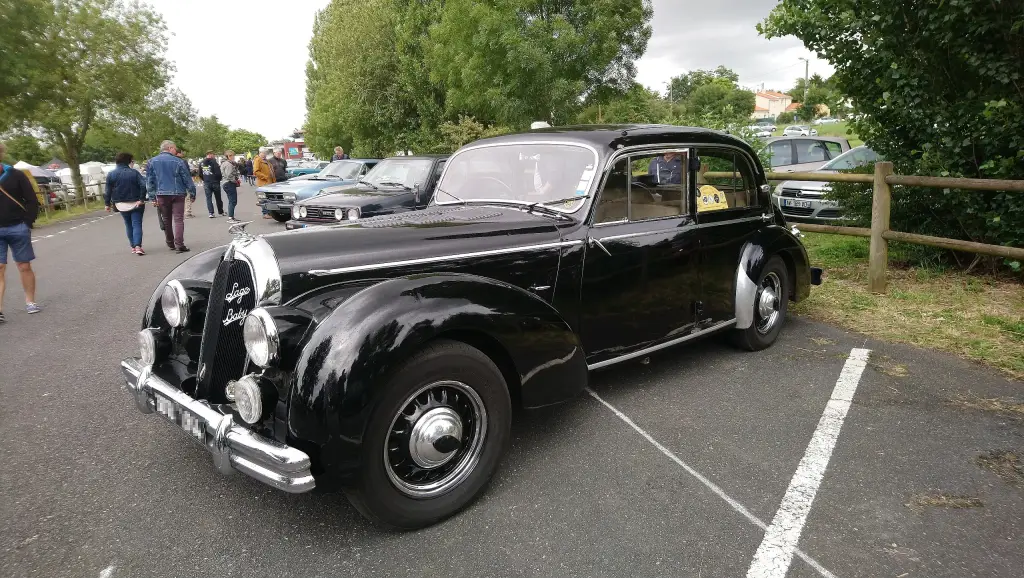
The chassis had a wheelbase of 2,950 mm, a shortened version of the 3,200 mm chassis used by the larger Cadette and Major saloons and limousines. Despite the “Baby” name these were still substantial cars, with proportions and weight that showed their size. The steering wheel and driver’s platform were on the right, still usual among European coachbuilders twenty years earlier but old-fashioned where traffic drove on the right. The front suspension was independent on a transverse leaf spring, the rear used a rigid axle on longitudinal leaf springs, and drive went to the rear wheels through a four-speed manual gearbox, with a Wilson preselector available at extra cost — 4,200 francs in 1937.
The Baby used six-cylinder engines in two main forms: 2,996 cc and 3,996 cc. Both shared a 104.5 mm stroke and differed in bore, 78 mm and 90 mm, which put them in the 17 CV and 23 CV fiscal classes, so the cars were sometimes called the Talbot Baby 17 CV and Talbot Baby 23 CV. At the 1937 Paris Motor Show the range gained the Talbot Baby 15 CV, or Baby-Quinze, with a 2,696 cc engine of smaller bore but the same wheelbase and body options; its maximum output was estimated at 75 hp (55 kW).
The sporting range around the Baby also included the Baby-15, mechanically the same as the Cadette-15 but on a shorter, lighter chassis, the 3- and 4-litre Baby, and the Lago-Spéciale and Lago-SS with two or three carburettors. Production slowed at the start of the Second World War and stopped altogether in mid-1942, when the Suresnes works was converted to war work. In June 1951 the name was revived for a four-cylinder version of the revised T26, but only a handful were built: four were made in 1953, the last year of the model.
Design and features
- Lago-era design: one of the first models of the French Talbot under Anthony Lago.
- Shortened chassis: a 2,950 mm wheelbase shared with the sporting Baby-15.
- Three six-cylinders: 2.7, 3.0 and 4.0 litres in 15, 17 and 23 CV classes.
- Coachbuilt bodies: coach and cabriolet styles, with a Wilson preselector option.
Talbot Baby versions
- Baby 17 CV: the 2,996 cc model.
- Baby 23 CV: the 3,996 cc model.
- Baby 15 CV (Baby-Quinze): the 2,696 cc version added at the 1937 Paris show.
- Baby-15: a sporting model on a shorter, lighter chassis.
- 1951–1953 Baby: a four-cylinder derivative of the T26, built in tiny numbers.
The Baby was one of the first Lago Talbots; the later six-cylinder cars were the Talbot T120 and Talbot-Lago T26. More cars are in the Talbot collection.
Sources
- Talbot-Lago, English Wikipedia: company history, model range, chassis lengths
- Talbot Baby, French Wikipedia: chassis, engines, bodies, production