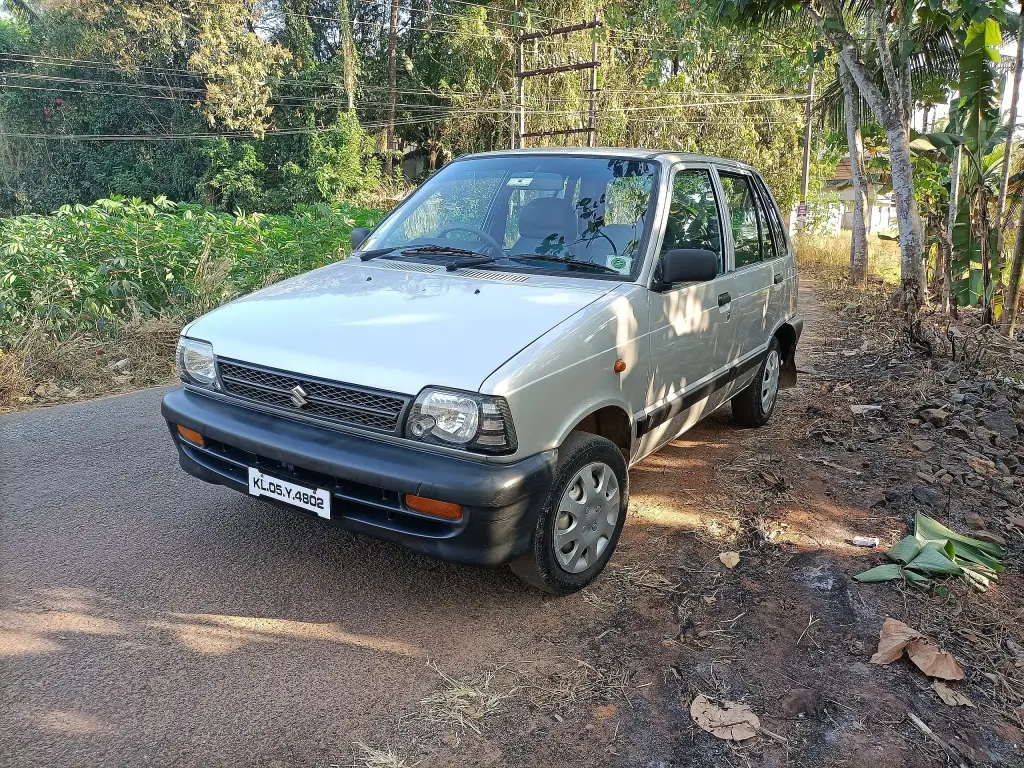
Maruti Suzuki India Limited is the Indian subsidiary of Suzuki Motor Corporation and the largest automobile manufacturer in India. The company was founded by the Government of India in 1981 as Maruti Udyog Limited and became a joint venture with Suzuki, which was the first Japanese carmaker to invest in the country.
Maruti Suzuki at a glance
| Founded | February 1981, as Maruti Udyog Limited |
|---|---|
| Partner | Suzuki, first Japanese carmaker to invest in India |
| Suzuki stake in 1982 | 26 percent |
| First plant | Gurugram, Haryana, opened 1982 |
| First model | Maruti 800, production from December 1983 |
| State ownership | ended 2007, when the last shares went to Suzuki |
| Market share | 42 percent of Indian passenger cars in September 2022 |
| Market value | about US$50–55 billion in 2025 |
| Parent | Suzuki Motor Corporation, Japan |
History of the Maruti Suzuki
Before Suzuki
The Maruti name goes back to a company started by Sanjay Gandhi, son of Prime Minister Indira Gandhi, in the early 1970s. He set up shop in a rented garage near Roshanara Bagh in Old Delhi and acquired 297 acres at Gurgaon for a factory. The plan was a people’s car costing about Rs 8,000, although the completed prototype of 1972 came in at roughly Rs 16,500 ex-showroom and failed a government roadworthiness test. Production never took off: only 21 cars had been built by 31 March 1976, and after Indira Gandhi’s election defeat the company was ordered dissolved in 1978.
The joint venture
After Sanjay Gandhi’s death the government revived the project and began talking to Suzuki in April 1982. A licence and joint venture agreement was signed in October 1982 with Suzuki taking 26 percent, below the 40 percent the government had wanted; the partners agreed that Suzuki would raise its stake after five years. Suzuki’s share reached 50 percent in 1992 and 56.21 percent by 2013.
The Maruti 800
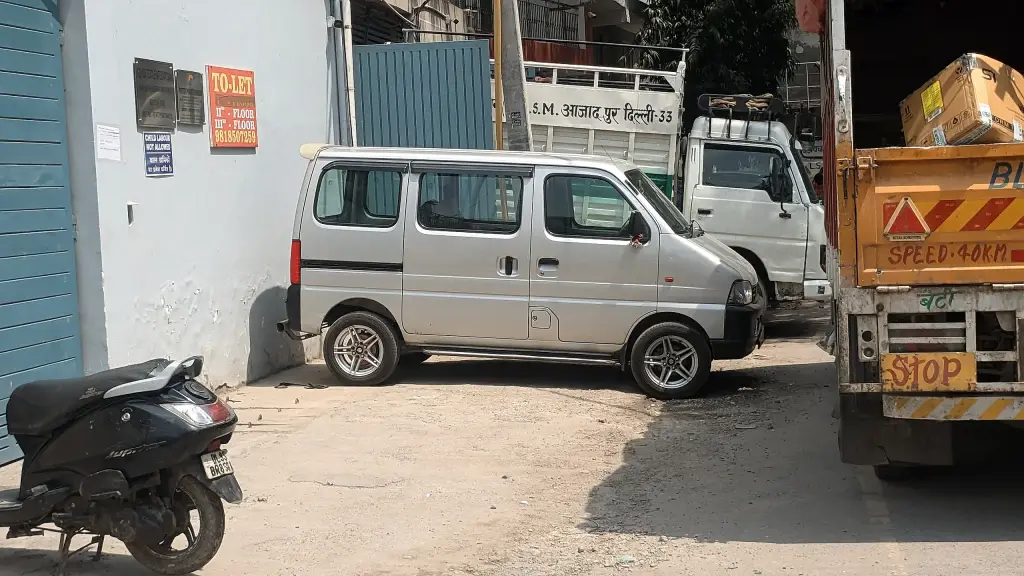
Local production started in December 1983 with the Maruti 800, based on the SS30/SS40 Suzuki Fronte and Alto. In 1984 came the Maruti Van with the same three-cylinder engine. Maruti had targeted 20,000 cars in its first year and 40,000 in the second at Gurgaon, but demand outran those plans and Maruti soon became the largest Suzuki subsidiary in the world by volume.
From state company to Suzuki subsidiary
The Indian government reduced its holding step by step, partly left the business in 2003 when the company became public, and sold its remaining shares to Suzuki in 2007. Maruti Suzuki has held on to its lead in the Indian passenger car market, with a 42 percent share in September 2022.
Design and features
- The first Japanese investor: Suzuki was the first Japanese carmaker, and the first major foreign carmaker, to invest in Indian car production.
- A state-born brand: the company began as a government project and was only fully privatised in 2007.
- Small cars as a speciality: Maruti Suzuki built its position on affordable small cars, starting with the 800.
- Volume leader: it is the biggest Suzuki subsidiary by production and sales.
Maruti Suzuki versions
- Maruti 800 (from December 1983): the first locally built model, derived from the Suzuki Fronte and Alto.
- Maruti Van (1984): a van using the same three-cylinder engine as the 800.
- State-owned era (1981–2003): the period in which the government held the majority and then a large minority of the shares.
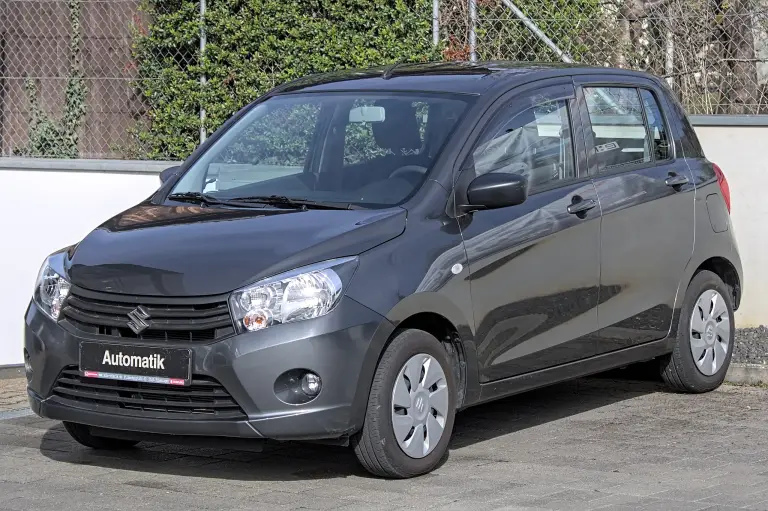
The 800 was based on the Suzuki Alto and its successors in India included the Celerio. More Suzuki history is in the Suzuki collection.
Sources
- Maruti Suzuki, English Wikipedia: history, ownership, market share