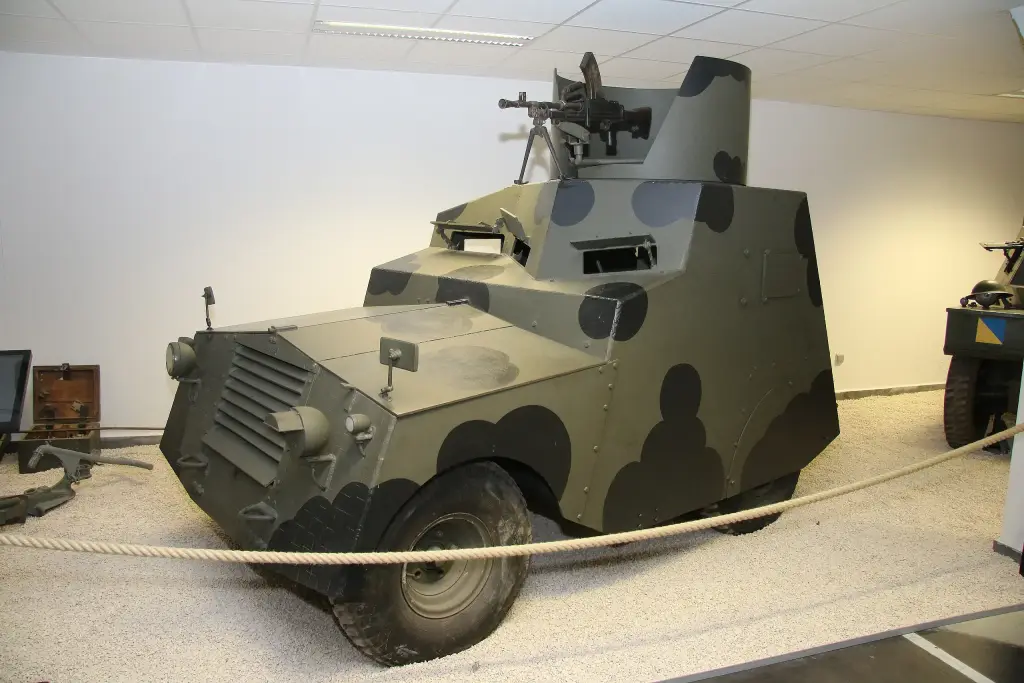
The Standard Beaverette, officially the Standard Car 4×2, was a British improvised armoured car of the Second World War. Built by the Standard Motor Company from 1940 to 1942 on the chassis of the Standard Flying Fourteen, it was named after Lord Beaverbrook, then Minister of Aircraft Production.
Standard Beaverette at a glance
| Maker | Standard Motor Company, Coventry |
|---|---|
| Production | 1940–1942 |
| Type | improvised armoured car |
| Chassis | Standard Flying Fourteen saloon |
| Armour | 11 mm steel backed by 3-inch oak planks |
| Armament | Bren light machine gun; later twin Vickers or a turret |
| Crew compartment | open at the top and rear on the Mk I |
| Top speed | about 60 mph (97 km/h) reported |
| Users | Home Guard, British Army, RAF Regiment |
| Built | about 2,800 |
Based on one source, the English Wikipedia article on the Standard Beaverette.
History of the Standard Beaverette
An emergency design
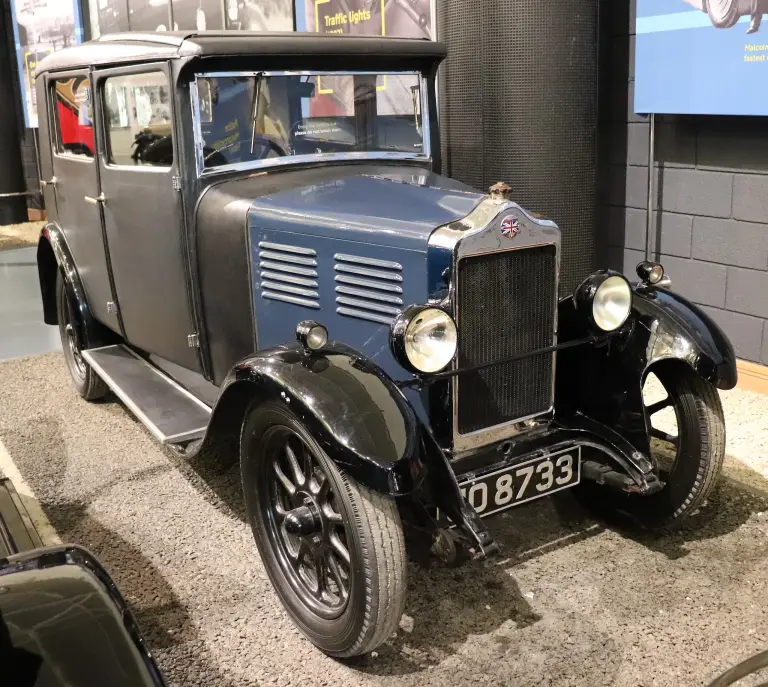
The first version was built in 1940 by the Standard Motor Company at the instigation of Lord Beaverbrook, hence the name. It used a commercial car chassis, that of the Standard Flying Fourteen saloon, on which a simple riveted armoured hull was mounted. The 11 mm of steel was backed by three-inch-thick oak planks. The hull was open at the top and rear, and the armament was a Bren light machine gun that could be fired through a slot in the casemate armour.
In service
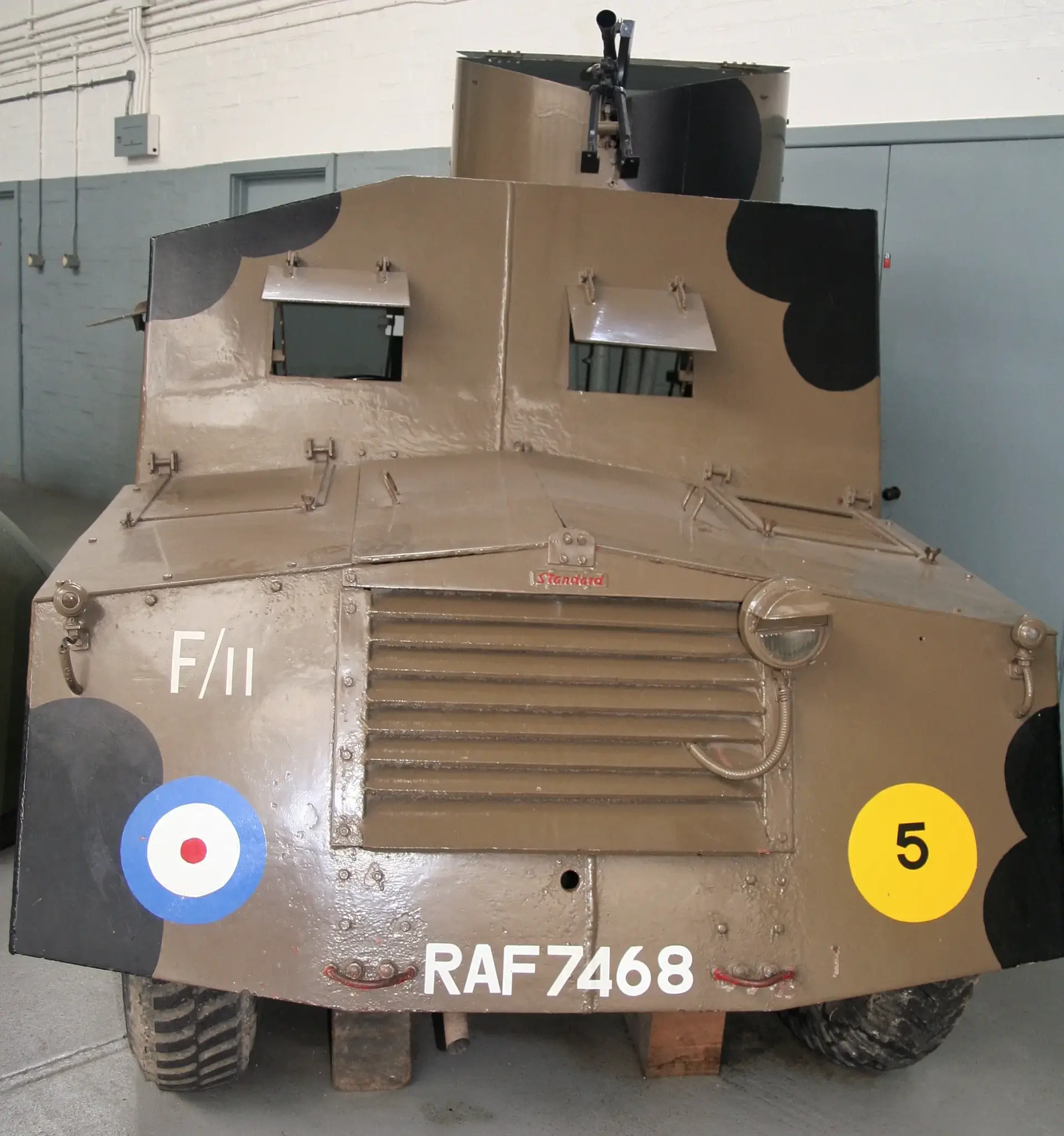
The Beaverette was used extensively by the Home Guard, the British Army and the RAF Regiment for home defence and training. A correspondent of The Light Car magazine, following one in 1941, reported “touching the 60-mark”. Vision was restricted: the driver had to rely on an observer to relay information about other traffic and had to plan turns well in advance, basing his steering on observations made about ten yards back. The vehicle is said to have suffered from excessive weight and to have been hard to handle. A Mk III was used by the RAF Regiment in the capture of a Focke-Wulf Fw 190 and the destruction of another when they landed at RAF West Malling in April 1943.
Design and features
- Improvised armour: 11 mm steel plate stiffened with three-inch oak planks.
- Bren gun: fired through a slot in the armour on the original version.
- Home Guard service: widely used for home defence and training alongside the Army and RAF Regiment.
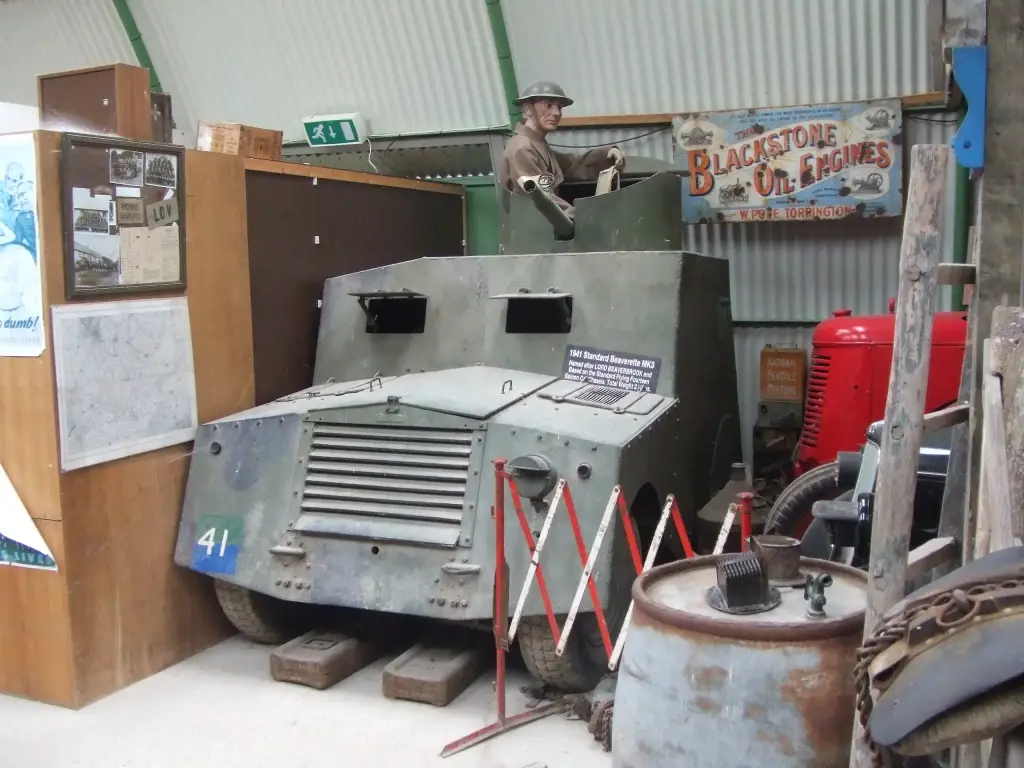
- Survivors: examples are preserved at Duxford, the Tank Museum, Cobbaton and museums in the Netherlands, Ireland and France.
Standard Beaverette versions
- Mk I: the original version, open at the top and rear.
- Mk II: all-around armour, with the radiator grille moved from vertical to horizontal.
- Mk III Beaverbug: shortened chassis, redesigned hull without curved front wings, top armour and a machine-gun turret.
- Mk IV: redesigned glacis armour for better visibility.
- Beaverette (NZ): New Zealand version on a Ford truck chassis with armour plate from the ships Port Bowen and Mokoia; 208 built.
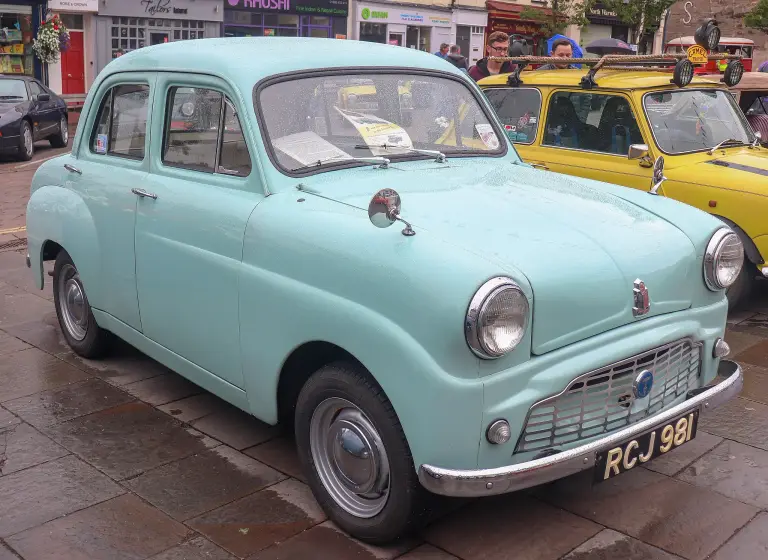
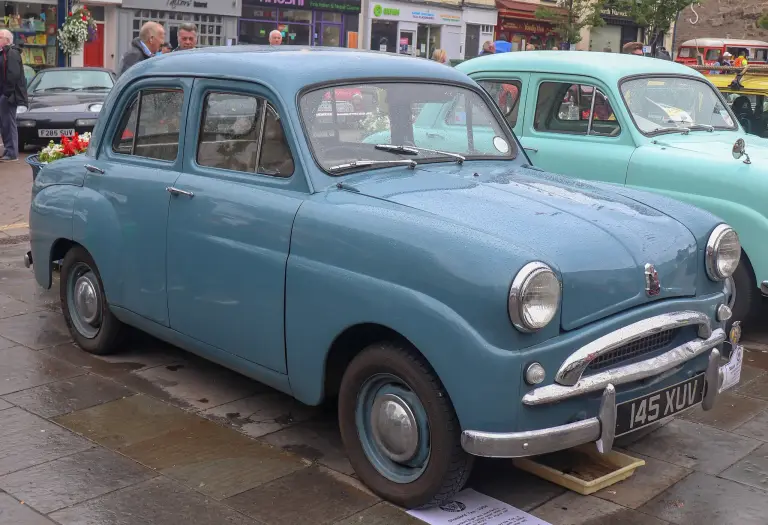
The Beaverette used the chassis of the Standard Fourteen, and the same Flying range included the Standard Eight. More cars are in the Standard collection.
Sources
- Standard Beaverette, English Wikipedia: history, armour, variants, production