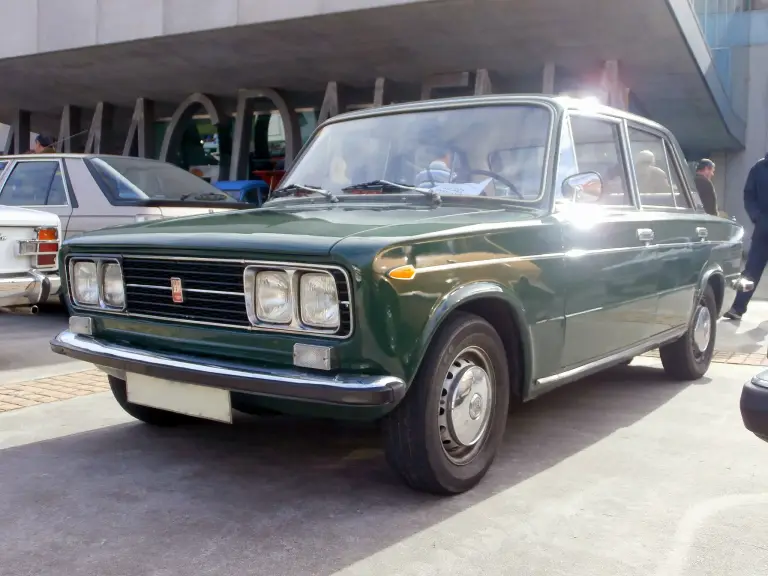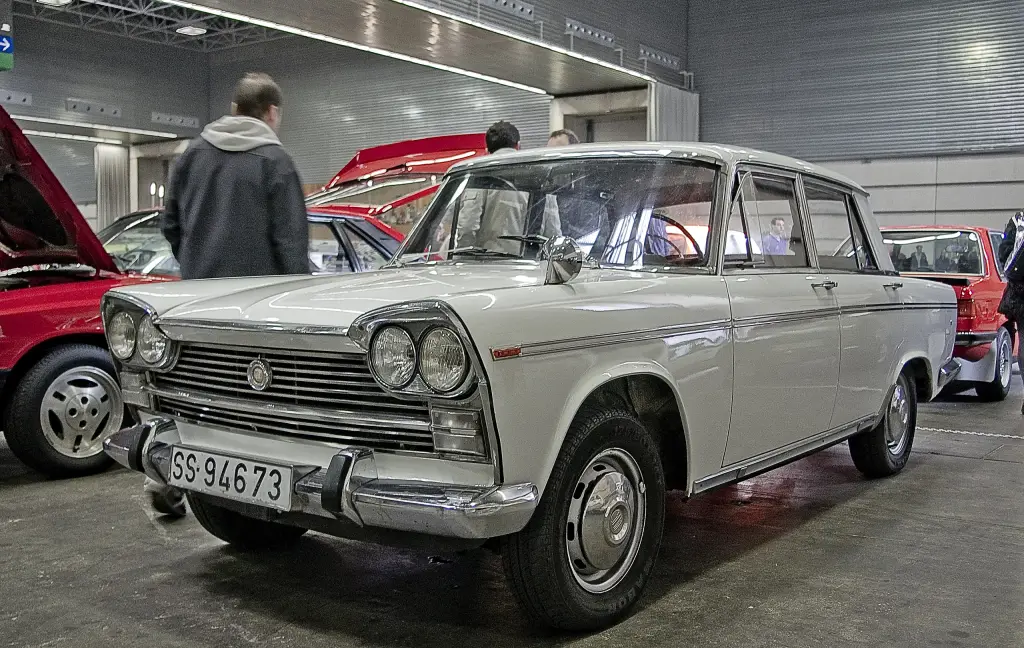
The SEAT 1500 was the large Spanish family car of the 1960s. Built from 1963 to 1973, it used the body of the Fiat 2300 with the smaller 1,481 cc engine of the Fiat 1500, seated six, and became one of the most familiar taxis in Spain once diesel versions arrived.
SEAT 1500 at a glance
| Maker | SEAT, Zona Franca, Barcelona |
|---|---|
| Production | 1963–1973 |
| Basis | Fiat 2300 body, Fiat 1500 engine |
| Engine | 1,481 cc four-cylinder petrol |
| Top speed | 145 km/h claimed |
| Diesel (from 1969) | Mercedes-Benz OM636, 46 PS |
| Bodies | saloon, five-door Familiar estate, pick-up |
| Headlamps | twin “bifaro” lights from 1969 |
| Built | 134,766 |
| Replaced by | SEAT 132 |
This page is based on one source, the English Wikipedia article on the SEAT 1500.
History of the SEAT 1500
A bigger 1400
The 1500 succeeded the SEAT 1400 C in 1963. It kept the Pininfarina-styled, boxy body that had been used since 1959, broadly similar to designs the same studio supplied to Peugeot and BMC at the time, but the body itself came from the larger Fiat 2300 while the engine was the 1,481 cc unit of the Fiat 1500. Apart from the bigger engine, the differences from the 1400 C were minor, down to a speedometer that now read to 160 km/h. The car was claimed to reach 145 km/h and drove the rear wheels through a four-speed all-synchromesh gearbox. A five-door estate called the Familiar arrived in 1965.
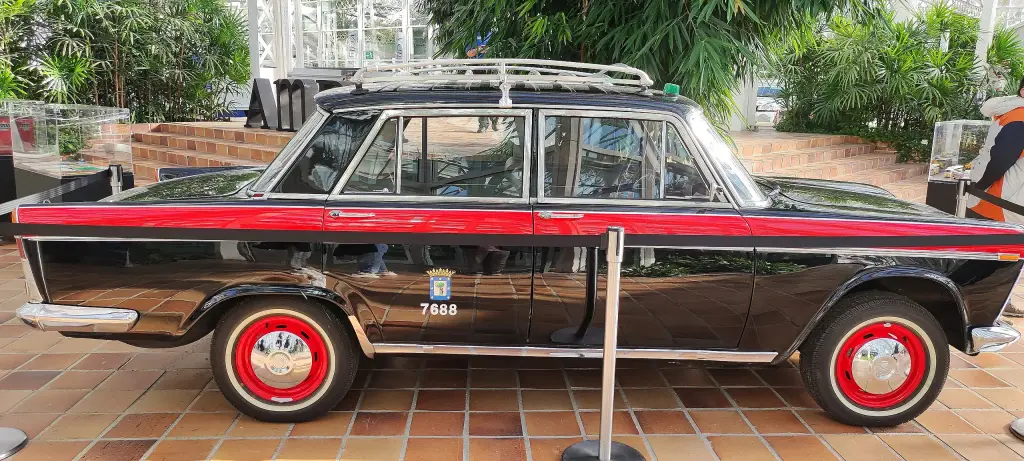
Diesel and the taxi trade
Petrol sales fell away after 1968, when the more modern SEAT 124 arrived with a much better power-to-weight ratio. From 1969 SEAT offered 1.8- and 2-litre diesel versions, and most of them went into taxi service. The smaller engine was the Mercedes-Benz OM636 unit last seen in the 180D, with 46 PS; one report put its 0–100 km/h time at nearly 50 seconds, but the fuel savings were large, helped by lower sales tax on diesel. These were the first diesel saloons built in Spain. Because Fiat had no suitable diesel engine at the time, SEAT bought engines from Mercedes-Benz and Perkins, with the Mercedes units built under licence by ENMASA in Barcelona and sold through both SEAT and Mercedes-Benz dealers.
Bifaro and other bodies
From 1969 the 1500 was given twin headlamps similar to those of the Fiat 2300, and these cars became known in Spain as the “bifaro” models. Besides the saloon and estate, SEAT offered a 1500 pick-up, and the coachbuilder ONECA built a long-wheelbase Pullman version. Production ended in 1973 after 134,766 cars, and the SEAT 132 took over as the company’s flagship.
Design and features
- Six seats: a large saloon with a bench front seat, built for big families.
- Three bodies: saloon, five-door Familiar estate and a pick-up.
- First Spanish diesel saloon: Mercedes-Benz diesel engines from 1969.
- Bifaro lights: twin headlamps from 1969, a lasting visual marker.
SEAT 1500 versions
- 1500 saloon (1963): the standard six-seater car.
- 1500 Familiar (1965): five-door estate.
- 1500 Diesel (1969): Mercedes-Benz OM636, 46 PS, mostly taxis.
- 1500 bifaro (1969): twin-headlamp version.
- 1500 pick-up and ONECA Pullman: commercial and long-wheelbase coachbuilt versions.
The 1500 followed the SEAT 1400 and was replaced by the SEAT 132, while the SEAT 124 took over the middle of the range. More Spanish cars are in the SEAT collection.
Sources
- SEAT 1500, English Wikipedia: history, engines, diesel versions, bodies, total