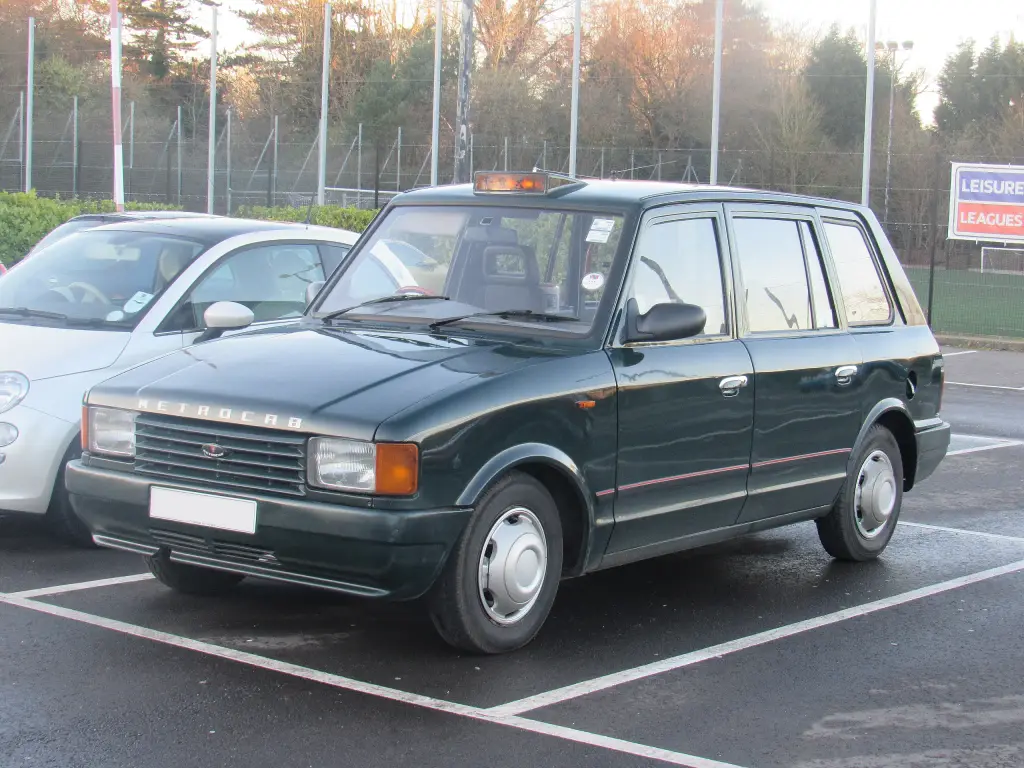
The Metrocab was a British brand of taxicabs, started by Metro Cammell Weymann in 1987. Two years later the rights passed to Reliant, which moved production of the taxi to its Tamworth works — the same factory that built the Regal and the Robin.
Metrocab at a glance
| Brand | Metrocab, a British taxicab |
|---|---|
| Launched | 1987, by Metro Cammell Weymann |
| Reliant years | 1989–1991, production moved to Tamworth |
| First generation | 1987–2006 |
| Early engine | direct-injection diesel from the Ford Transit |
| Variant from 2000 | Metrocab TTT with a Toyota turbodiesel |
| After Reliant | rights sold to Hooper, which stopped trading in December 2000 |
| Owner from 2001 | Kamkorp, trading as Metrocab (UK) |
| Production gap | 14-month suspension that ended in April 2005 |
| Second generation | 2014, electric with a 1.0-litre range-extender petrol engine |
| Company | Ecotive Ltd filed for voluntary liquidation in November 2021 |
The English Wikipedia article covers the Metrocab brand as a whole; the Reliant-built generation described here is the part relevant to this collection. Based on one source.
History of the Metrocab
From Metro Cammell Weymann to Reliant
Metro Cammell Weymann introduced the MCW Metrocab in 1987. It existed in two main variants: the original car with a direct-injection diesel engine taken from the Ford Transit, and, from 2000, the Metrocab TTT powered by a Toyota turbodiesel. In 1989 MCW’s owner, Laird plc, divested itself of the Metrocab, and the rights passed to Reliant. Production was moved to Reliant’s works at Tamworth in Staffordshire, where the company had been building three-wheelers since the 1930s.
Hooper and Kamkorp
Reliant collapsed in 1991. The receiver sold the rights to Hooper, which kept the Metrocab in production until December 2000, when Hooper itself suspended trading. The current owner, Kamkorp, bought the rights from Hooper’s administrator, Leonard Curtis, in June 2001 and restarted production under a new holding company, Metrocab (UK). The vehicle remained in production until April 2006, apart from a 14-month suspension that ended in April 2005. By then the taxi had been built under four different owners in less than twenty years.
The electric Metrocab
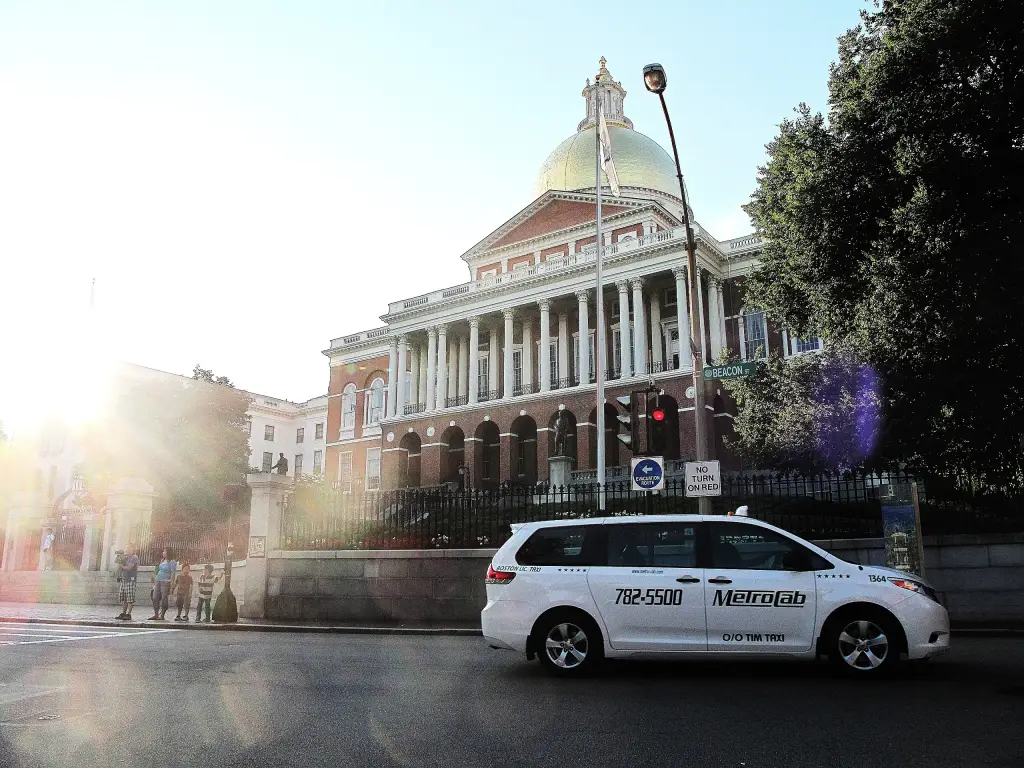
In 2014 a completely new Metrocab was presented to the press. It was electrically powered, with a 1.0-litre range-extender petrol engine on board, and it was described as the first authorised electric-powered London black cab. The hybrid petrol-electric vehicle was capable of zero-emission operation and was designed to comply with London Taxi Private Hire regulations. Ecotive Ltd, the company behind it, filed for voluntary liquidation on 29 November 2021.
Design and features
- A taxi built by a three-wheeler maker: from 1989 the Metrocab was assembled at Reliant’s Tamworth factory.
- Commercial diesel power: the first cars used the direct-injection diesel of the Ford Transit.
- Toyota power from 2000: the Metrocab TTT replaced it with a Toyota turbodiesel.
- Range-extender successor: the 2014 car was electric, with a small petrol engine to charge the battery.
Metrocab versions
- MCW Metrocab (1987–2000): the original taxi with the Ford Transit diesel.
- Metrocab TTT (from 2000): the Toyota turbodiesel version.
- Reliant-built cars (1989–1991): production moved from MCW to Tamworth.
- Kamkorp cars (2001–2006): production restarted by Metrocab (UK).
- Second-generation Metrocab (2014): the electric taxi with a range extender.
The Metrocab came from the same company town as the three-wheeled Reliant Regal and Reliant Robin. More vehicles are in the Reliant collection.
Sources
- Metrocab, English Wikipedia: history, owners, engines, production dates