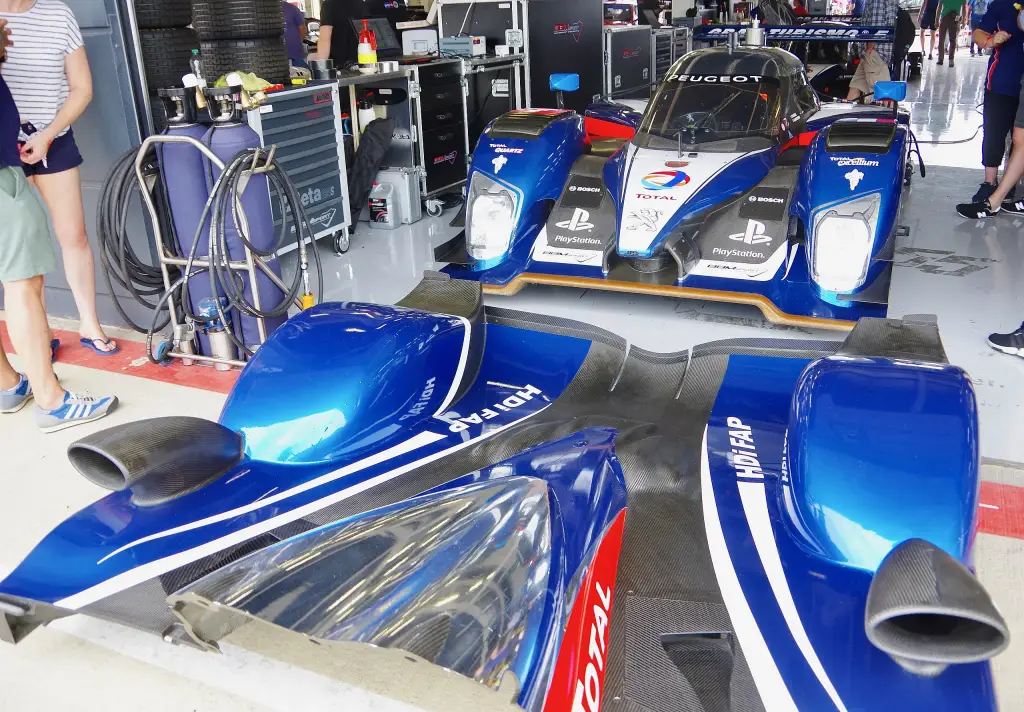
The Peugeot 908 is a Le Mans Prototype racing car developed by Peugeot Sport in 2011. It was powered by a diesel engine and succeeded the Peugeot 908 HDi FAP that had competed since 2007.
Peugeot 908 at a glance
| Type | Le Mans Prototype |
|---|---|
| Built | 2011, known in development as 90X |
| Revealed | February 2011 |
| Engine | 3,700 cc HDi V8 with Honeywell turbocharger |
| Power change | about 150 bhp less than the 908 HDi FAP |
| Tyres | front tyres now the same width as the rear |
| Shared with predecessor | only the windscreen wiper |
| First race | 2011 Sebring 12 Hours |
| Season | all rounds of the 2011 Intercontinental Le Mans Cup |
| Successor | none, the 2012 programme was cancelled |
based on one source
History of the Peugeot 908
New rules, smaller engine
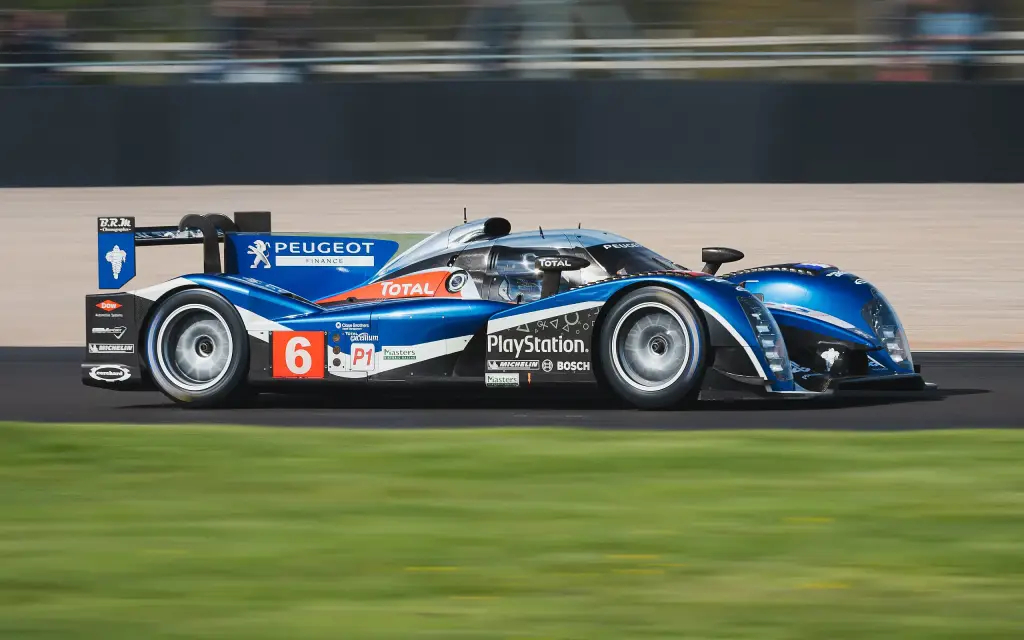
The 908 was built to the 2011 Le Mans Prototype regulations, which required a smaller diesel than the 5.5-litre unit of the 908 HDi FAP. Peugeot Sport chose a 3,700 cc HDi V8 with a Honeywell Turbo Technologies turbocharger. The new car lost about 150 bhp compared with the 2010 machine, but improvements to the chassis and handling made it much more agile, and unlike its predecessor its front tyres were the same width as the rear. The only part carried over from the old car was the windscreen wiper. Known as the 90X during development, it was revealed in February 2011 and raced in every round of the 2011 Intercontinental Le Mans Cup, including the 24 Hours of Le Mans.
2011 season
The car’s first race was the 2011 Sebring 12 Hours, against the older Audi R15+ and an older-specification Oreca Peugeot 908 HDi FAP. Both Peugeots ran at the front, building a two-second gap per lap over the Audi, but safety car periods cut the lead. Marc Gené then put his car to the inside of Capello in turn 17; both spun, but only Gené hit the barrier and broke his suspension. The number 8 led for a while until a slow pit stop and a spin by Lamy dropped it to third, and the Peugeots finished third and eighth.
At the 2011 1000 km of Spa, three 908s faced Audi’s new R18 as well as the R15+ and the Oreca 908. After a poor qualifying that left only one Peugeot in the top ten, they quickly reached the front and were running one-two-three once the R18s hit technical trouble. An off by Pedro Lamy let Tom Kristensen’s R18 through, but damage to the Audi’s engine cover restored the Peugeot podium positions until a front suspension failure half an hour from the end led to a nine-minute pit stop and eighth place; the same car set the fastest lap of the race at 2:03.699.
At Le Mans the three 908s fought Audi for the lead. Helped by fewer pit stops, Peugeot stayed on the same lap as the leading Audi but could not catch it in the final hour, and the number 9 car finished thirteen seconds behind the winner.
2012
A hybrid version called the Peugeot 908 Hybrid4 was expected to race in the FIA World Endurance Championship in 2012 alongside an updated 908, but after poor economic results in 2011 Peugeot cancelled its 2012 racing programme. The team was already at Sebring testing the new cars when the decision came, a severe blow to Peugeot Sport Total.
Design and features
- 3.7-litre HDi V8: a smaller diesel to meet the 2011 rules.
- Agility over power: about 150 bhp less, but a better chassis.
- Equal tyre widths: front and rear tyres the same size, unlike the old car.
- Almost all new: only the windscreen wiper carried over.
- Hybrid4 plan: a hybrid version was prepared but never raced.
Peugeot 908 versions
- 908 (2011): the diesel V8 prototype.
- 908 Hybrid4: planned hybrid version, cancelled with the 2012 programme.
The 908 followed the Peugeot 905, which last took Peugeot to Le Mans victory, and preceded the end of the works sportscar programme. More in the Peugeot collection.
Video: Peugeot 908 RC
Video by on YouTube.
Sources
- Peugeot 908, English Wikipedia: regulations, engine, 2011 races, cancelled 2012 programme