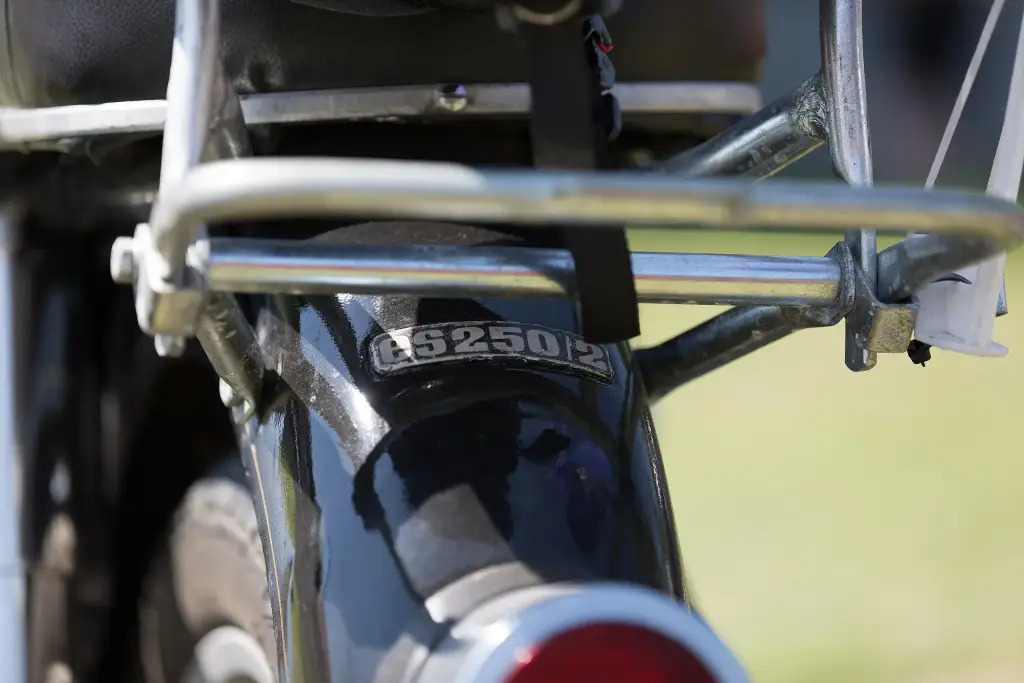
The MZ ES was built at Zschopau from 1956 to 1978 in five capacities from 125 to 300 cc. The letters stand for Einzylinder, Schwinge — single cylinder, swingarm — and the ES was the first MZ model made as a type series, the direct ancestor of every later Zschopau range.
MZ ES at a glance
| Maker | VEB Motorradwerk Zschopau |
|---|---|
| Production | 1956–1978 |
| Name | ES = Einzylinder, Schwinge |
| Capacities | 125, 150, 175, 250 and 300 cc |
| Engine | air-cooled two-stroke single |
| Chassis | full swingarm front and rear |
| Sidecar | designed for one from 250 cc upwards |
| Nicknames | “Eisensau”, “Eisenschwein”, “Esse” |
| Off-road versions | ES/G models from 1957 |
| Successor | ETS with telescopic fork from 1963 |
Based on one source: the German Wikipedia article on the ES range.
History of the MZ ES
The ES series ran from 1956 to 1978 and was offered in 125, 150, 175, 250 and 300 cc. It was the first MZ model built as a type series rather than as a single design, and so the direct predecessor of all the MZ ranges made in the GDR.
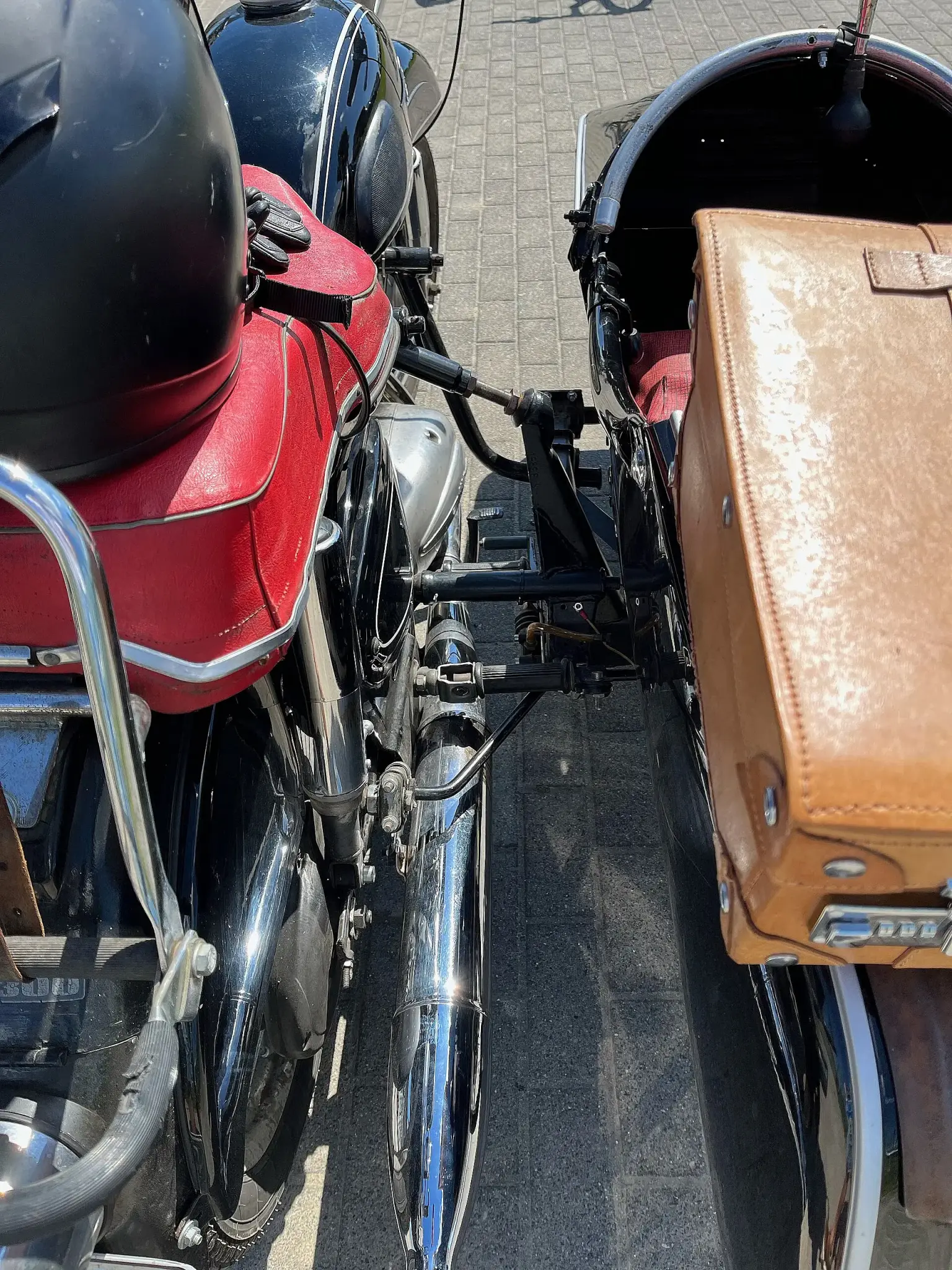
As the name suggests, every ES had a full swingarm chassis at front and rear, a modern layout for the time and one praised for its road manners. The models from 250 cc upwards were built to take a sidecar. Buyers liked the strong-pulling engine, which made the ES comfortable and economical to run, and the model range was steadily updated during its long production life.
Alongside the road bikes MZ built small-series off-road machines from 1957, the ES/G models with swingarm suspension: the ES 175/G of 1965–1968 (74 built), the ES 175/1G of 1967–1971 (158), the ES 250/G of 1958–1962 (49), the ES 250/1G of 1962–1966 (22) and the ES 300/G of 1962–1965 (32).
From 1963 MZ adopted a telescopic fork for these competition machines, which then carried the designation ETS/G. The telescopic fork later reached the large-series road models as the ETS range, which replaced the ES at the top of the programme.
Design and features
- Full swingarm chassis: swingarm suspension at both ends, a modern layout for the mid-1950s and praised for its handling.
- Type series: the first MZ offered as a family of models in five capacities rather than one design.
- Sidecar-capable: the 250 and 300 cc models were built to take a sidecar.
- Strong single: the torquey two-stroke made long-distance riding comfortable and cheap.
MZ ES versions
- ES 125 and ES 150: the small models of the range.
- ES 175: the middle capacity.
- ES 250: the mainstay, available with a sidecar.
- ES 300: the largest version, often seen as an outfit.
- ES/G off-road models: competition versions in 175, 250 and 300 cc built in small numbers.
- ETS: from 1963 the road-going development with a telescopic fork.
The ES succeeded the MZ BK 350 and was itself replaced by the MZ TS range and later the ETZ models. More are in the MZ collection.
Sources
- MZ ES, German Wikipedia: production years, capacities, chassis, off-road versions