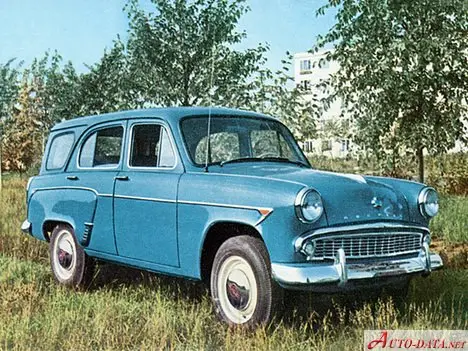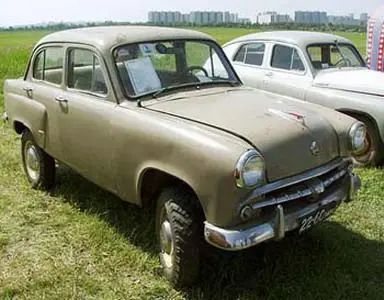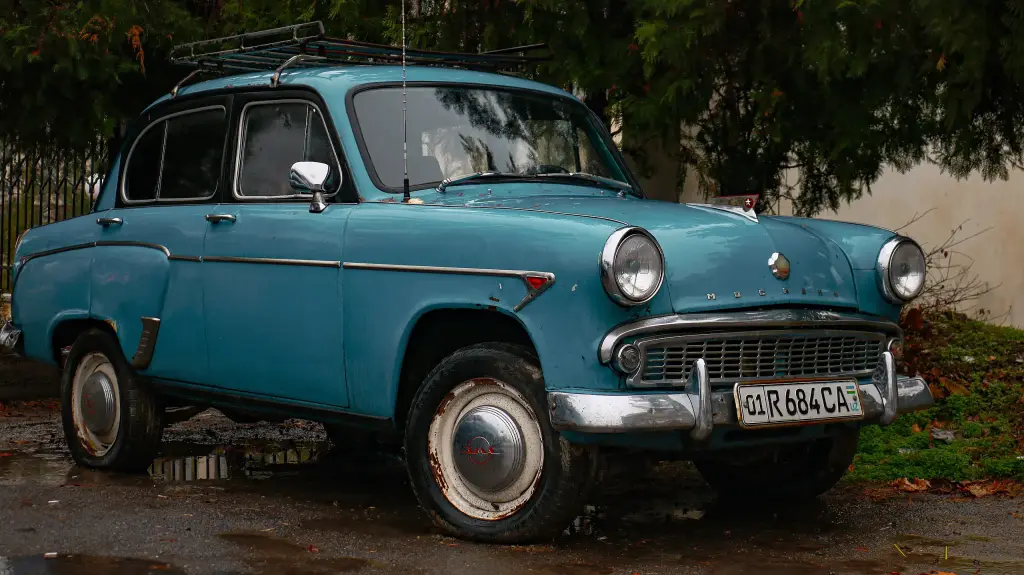
The Moskvich 402 was the second-generation Moskvich, introduced in 1956 with a modern pontoon body and, for the first time at MZMA, no foreign model underneath. In 1958 a new overhead-valve engine turned it into the Moskvich 407, a car that became one of the first successful Soviet exports to Western Europe and stayed in production until 1963.
Moskvich 402 at a glance
| Maker | MZMA, Moscow |
|---|---|
| Production | 402 from 1956, 407 from January 1958 to 1963 |
| Body | four-door saloon; estate and delivery versions |
| Engine 402 | 1,222 cc flathead four, 35 hp |
| Engine 407 | 1,358 cc overhead-valve four, 45 hp |
| Top speed | 88–90 km/h (402), 115 km/h (407) |
| Length | 4,055 mm, 200 mm longer than the 401 |
| Electrics | 12 volts |
| Built, 402 | 94,080 including 18,019 for export |
| Built, 407 | 359,980 including 120,903 for export |
| Four-wheel drive | 11,890 of the 402 and 407 combined |
| Export names | Elite in parts of Western Europe |
History of the Moskvich 402
Work on a replacement for the 401 began at MZMA in 1950 under chief designer Alexander Andronov, with specialists borrowed from GAZ and ZIS. The new car followed the pontoon styling of its time, like the Hillman Minx, Fiat 1100, Ford Prefect 100E and the larger GAZ-21 Volga, whose designers took part in the project. The first production cars appeared in 1956. Compared with the 401, the 402 brought independent suspension with double wishbones, telescopic shock absorbers, 12-volt electrics, a proper boot, a heater and a radio as standard, and a much better view for the driver.
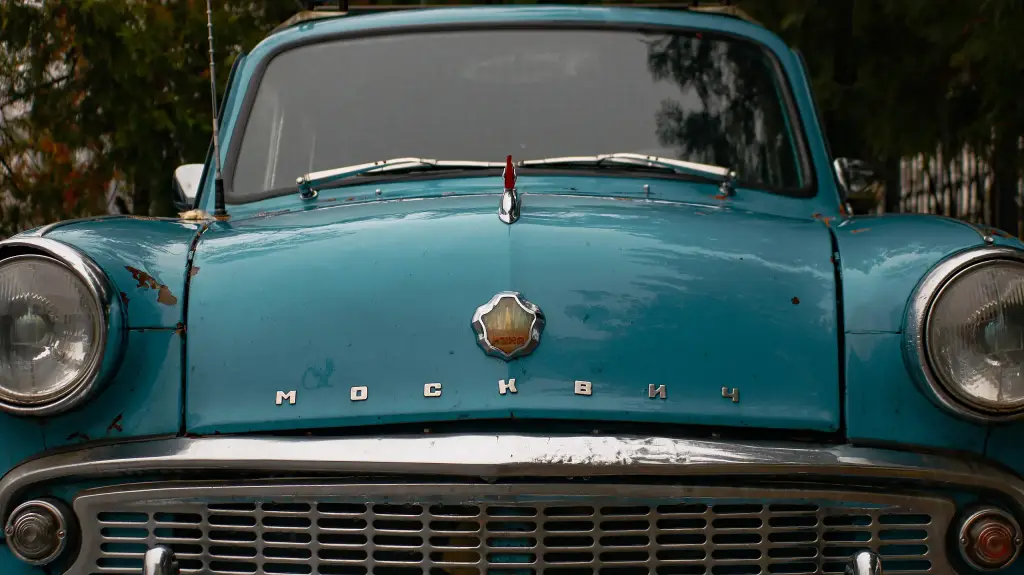
The 402 used a 35 hp 1,222 cc flathead four derived from the engine of its predecessors, giving 88–90 km/h and about 9 L/100 km, largely because the body was lighter. At 4,055 mm it was 200 mm longer than the 401. The gearbox was still a three-speed manual, now with the lever on the steering column. A radio, cigarette lighter and demister were all standard at a time when a demister was not even standard in Britain. An estate, the 402-423, appeared in 1957 with folding rear seats and a 250 kg payload.
In 1958 the flathead engine gave way to MZMA’s own overhead-valve design of 1,358 cc and 45 hp, and the car became the Moskvich 407. Top speed rose to 115 km/h and noise fell noticeably. A four-speed gearbox with synchromesh replaced the three-speed in December 1959. There was also a 67 hp version capable of 145 km/h, reserved for the police and the KGB and sold to the public only when withdrawn from service. The 407 was offered as an estate, a delivery van with blanked rear windows and welded rear doors, a medical version and a taxi.
The family also went off the road. Four-wheel-drive versions of the 402 were built in 1957–1958 using the transfer case and axles of the GAZ-69, and from June 1958 the 407-410N saloon and the 407-411N estate joined them. By January 1961, 11,890 four-wheel-drive cars of both types had been built. The 407 was the first Soviet car to sell really well in the West: for several years up to half of production was exported, mainly to Eastern Europe, Norway, Finland and France, and in parts of Western Europe it was renamed the Elite to avoid a clash with Peugeot. Many were assembled by Sobimpex, later Scaldia, in Belgium, which also offered a 1.6-litre Perkins diesel.
Design and features
- First wholly Soviet Moskvich: designed at MZMA rather than derived from a foreign car.
- Modern equipment for 1956: 12-volt electrics, heater, radio and demister as standard.
- Overhead-valve engine: the 1958 407 unit raised power to 45 hp and speed to 115 km/h.
- Export success: up to half of production went abroad, with Belgian assembly by Scaldia.
- Four-wheel-drive offshoots: the 410 and 411 used GAZ-69 running gear.
Moskvich 402 versions
- Moskvich 402 (1956–1958): saloon with the 35 hp flathead engine.
- Moskvich 402-423 (1957): estate with folding rear seats and a 250 kg payload.
- Moskvich 407 (1958–1963): overhead-valve engine of 45 hp and a four-speed gearbox from 1959.
- Moskvich 407-430 / 407B / 407T: delivery, medical and taxi versions.
- Moskvich 410 / 411: four-wheel-drive saloon and estate.
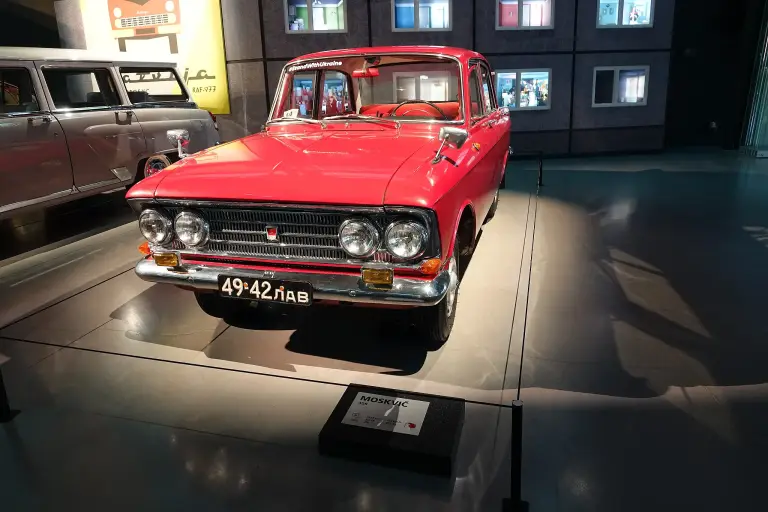
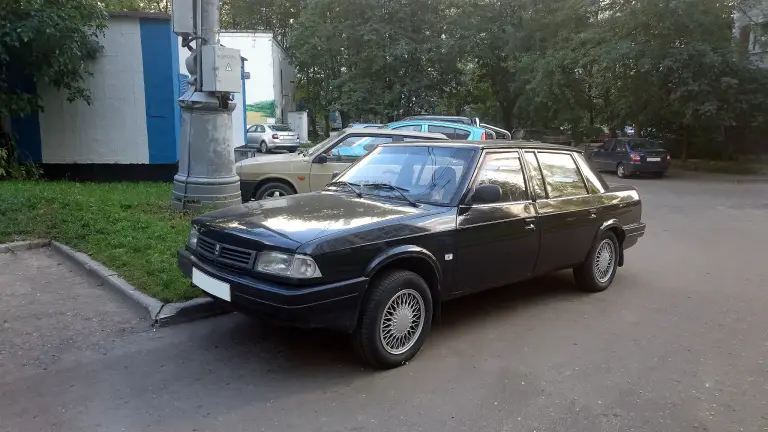
The 402 followed the Moskvich 400 and 401 and was itself replaced by the Moskvich 408, with a transitional Moskvich 403 in between. More models are in the Moskvich collection.
Sources
- Moskvitch 402, English Wikipedia: design, engines, versions, exports
- Москвич-402, Russian Wikipedia: development history, production numbers