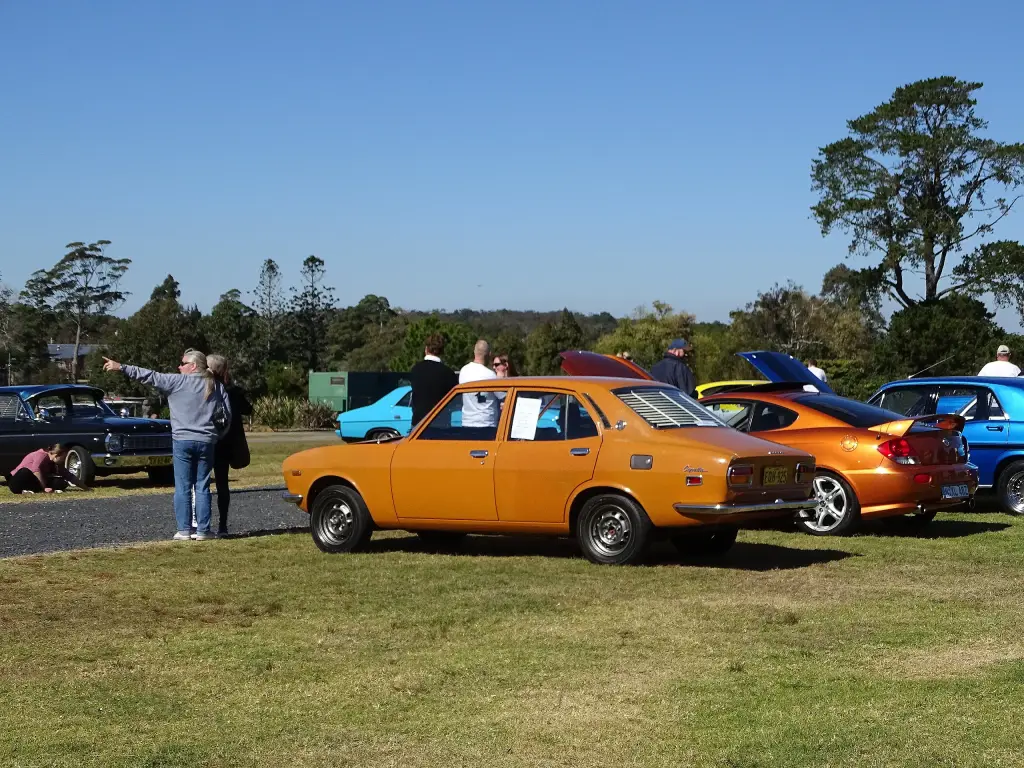
The Mazda Capella is the mid-size car that Mazda built from 1970 to 2002, sold as the Mazda 626 in Europe, North America and South-East Asia. Its first generation was exported as the 616 and its rotary version as the RX-2. The Capella and its Ford Telstar twin reached 4,345,279 sales worldwide.
Mazda Capella at a glance
| Built | 1970–2002 |
|---|---|
| Export names | Mazda 616 (first generation), Mazda 626 (from 1978), Mazda Montrose in Britain |
| Rotary version | RX-2 in export, Capella Rotary in Japan |
| Ford twin | Ford Telstar, and the Ford Probe from the same platform |
| First generation | 1970–1978, 1.5 and 1.6 fours, 92 and 100 PS |
| Second generation | CB, from October 1977, styled for a Cx of 0.38 |
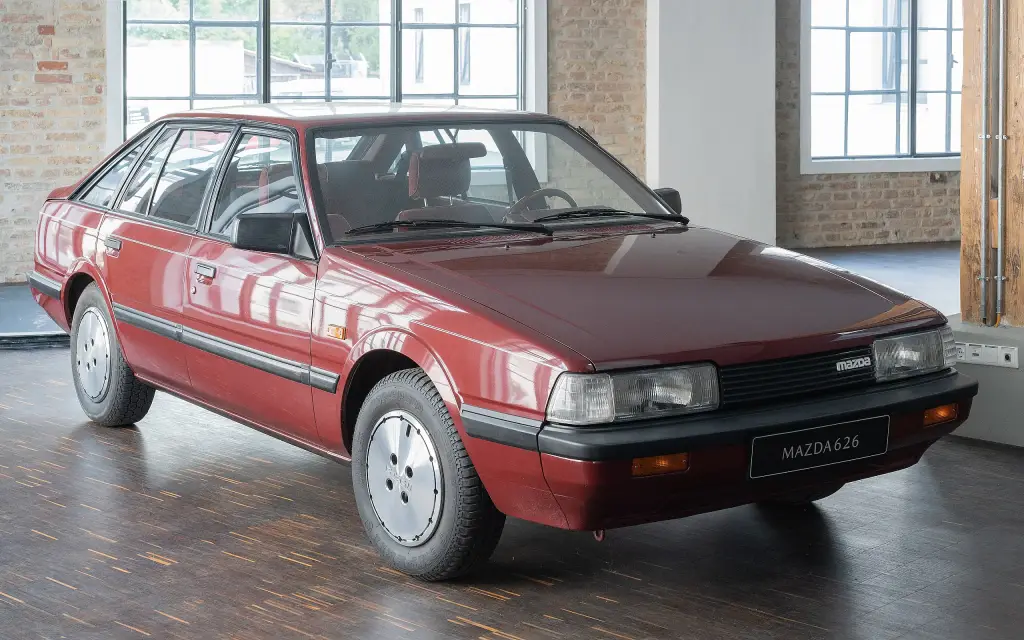
| Third generation | GC, 1982, first with front-wheel drive |
| Fourth generation | GD/GV, 1987, with four-wheel steering |
| Total sales | 4,345,279 of the 626 and Telstar |
| Replaced by | Mazda 6 / Atenza in 2002 |
The 616, 626 and RX-2 records are merged into this page because they are export names and engine variants of the Capella.
History of the Mazda Capella
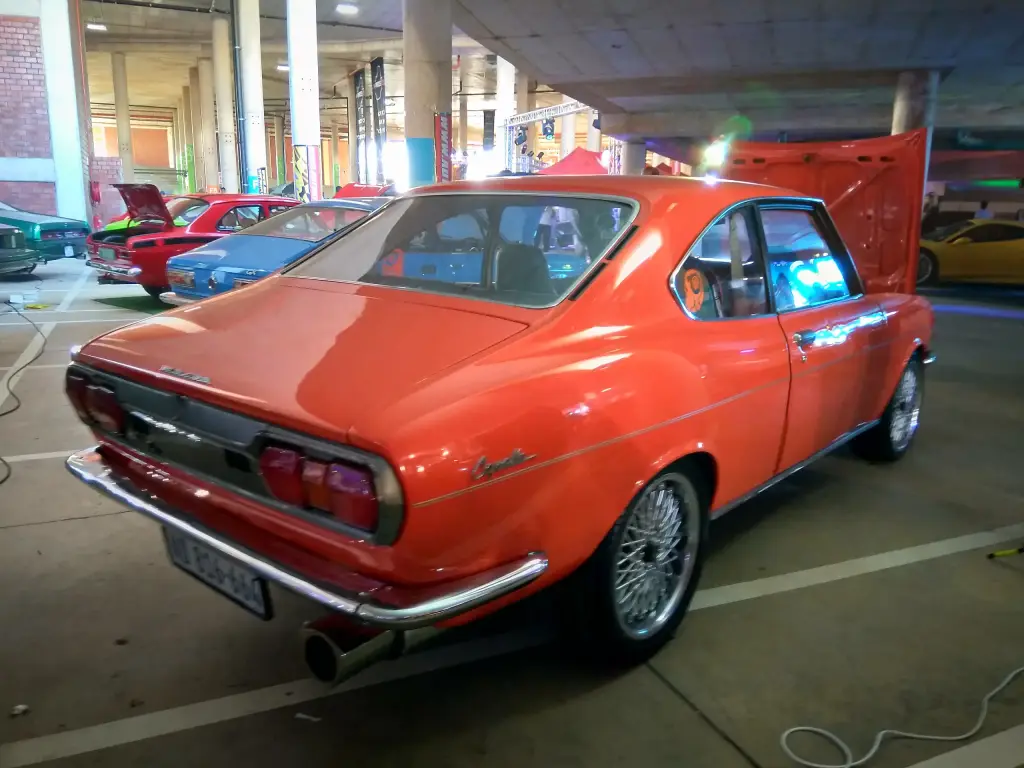
The first Capella appeared in May 1970 as an intermediate model between the Familia and the Luce, aimed at the Honda Accord, Toyota Corona and Nissan Bluebird. It used 1.5- and 1.6-litre overhead-cam fours with 92 and 100 PS, sold in export as the Mazda 616, briefly also as the 618 in the United States. The Wankel version was the Capella Rotary in Japan and the Mazda RX-2 abroad; it was the only Capella generation offered with a rotary engine. A facelift in February 1974 lengthened the nose by 110 mm and redesigned the dashboard, and Japanese cars gained an anti-pollution AP suffix.
The second generation arrived in October 1977 and was sold abroad as the 626, except in Britain, where it was the Mazda Montrose. It came as a saloon and coupé with MacPherson struts in front and a coil-sprung live axle located by four links and a Panhard rod, and it achieved a drag coefficient of 0.38. Japanese engines were 1.6, 1.8 and 2.0-litre units with 90, 100 and 110 PS. The 626 reached Germany in February 1979 from DM 12,690 for the 1.6 saloon, and in the United States Mazda’s sales doubled after its introduction.
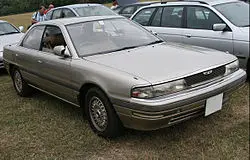
The third generation, the GC, arrived at the end of 1982 with front-wheel drive and won the 1982–1983 Car of the Year Japan. It was sold as a four-door saloon, a two-door coupé and later a five-door hatchback, with the Ford Telstar as a sister car and a 2.0-litre turbo with 145 PS added in 1983. Kia built it under licence as the Concord and Capital from 1987. The fourth generation, the GD/GV of 1987, brought the world’s first electronically controlled speed-sensitive four-wheel steering and a production first in the shape of a pressure-wave supercharged diesel, plus the Capella C2 coupé and the Cargo wagon and van. The last Capella generation ran until 2002, when the Mazda 6/Atenza replaced it.
Design and features
- Capella Star name: named after the brightest star in Auriga.
- Rotary option: the first generation’s RX-2 was one of Mazda’s early rotary exports.
- Four-wheel steering: the 1987 generation had the world’s first electronically controlled speed-sensitive 4WS.
- Ford connection: the Telstar and Probe were built on the Capella platform.
Mazda Capella versions
- 616 (1970–1978): 1.6-litre export version of the first Capella.
- RX-2: the rotary-engined first-generation car.
- 626 CB (1978–1982): second generation, rear-wheel drive, Montrose in Britain.
- 626 GC (1982–1987): third generation, front-wheel drive, Ford Telstar twin.
- 626 GD/GV (1987–1992): four-wheel steering and supercharged diesel.
- 626 (1992–2002): the last generation before the Mazda 6.
The Capella was replaced by the Mazda 6, and its rotary versions belong with the Mazda Cosmo story. More Mazdas are in the Mazda collection.
Sources
- Mazda Capella, English Wikipedia: generations, engines, names
- Mazda 626, German Wikipedia: German market, prices, generations GC and GD
- Mazda 616, German Wikipedia: first generation and 618
- マツダ・カペラ, Japanese Wikipedia: Japanese generations and features