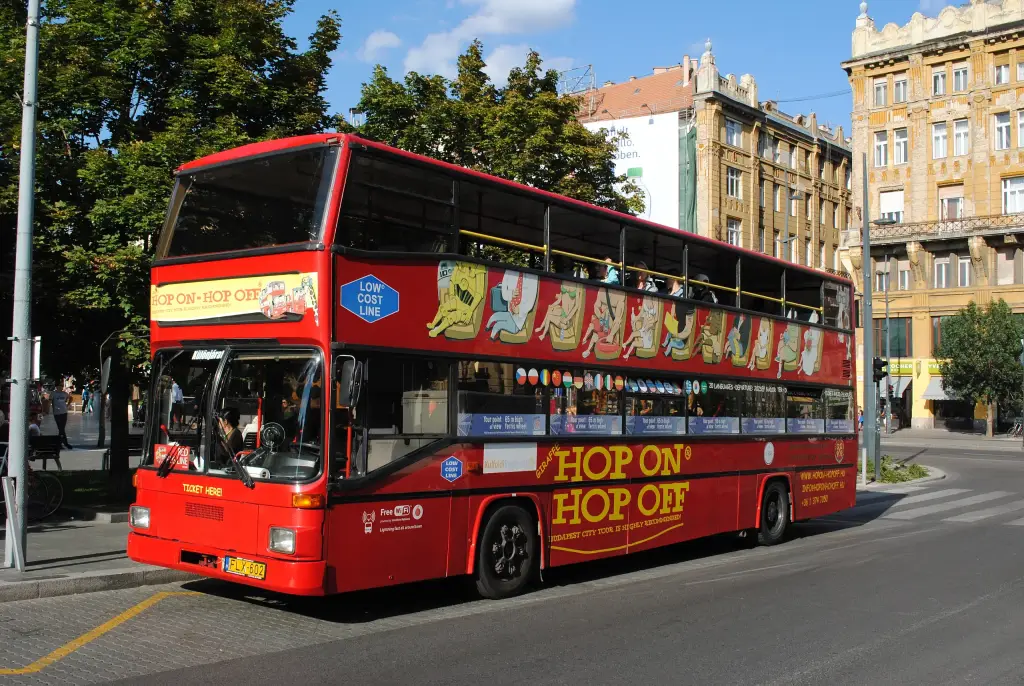
The MAN SD202 was a double-decker bus with MAN chassis components, designed by Waggon Union for West Berlin. It followed the SD200, entered series production in 1986 and was built until 1992.
MAN SD202 at a glance
| Production | 1986–1992 |
|---|---|
| Prototypes | 1982, 1983 and 1985 |
| Class | double-decker city bus |
| Predecessor | MAN SD200 |
| Body | Waggon Union on MAN floorpans |
| BVG fleet | 468 buses |
| Other buyers | Lübeck-Travemünder Verkehrsgesellschaft, with a longer axle ratio |
| Successor | MAN ND 202, from 1995 |
| Last BVG service | 28 December 2009 |
| Electric conversion | bus 3679 converted by IAV and tested in 2022 |
The SD202 has no English Wikipedia article; this page is written from the German one.
History of the MAN SD202
A prototype of the SD 202 was shown in 1982 as the successor to the MAN SD 200 for the Berliner Verkehrsbetriebe. Two more prototypes followed in 1983 and 1985, and series production began in 1986. The double-decker followed the second-generation standard city buses and was built by Waggon Union on MAN floorpans. The BVG received 468 SD 202; some additional vehicles went to the Lübeck-Travemünder Verkehrsgesellschaft, which had a longer axle ratio because they also ran on fast roads between Lübeck and Travemünde. At the BVG the buses were known internally as D plus the year, for example D 86.
Changes during production
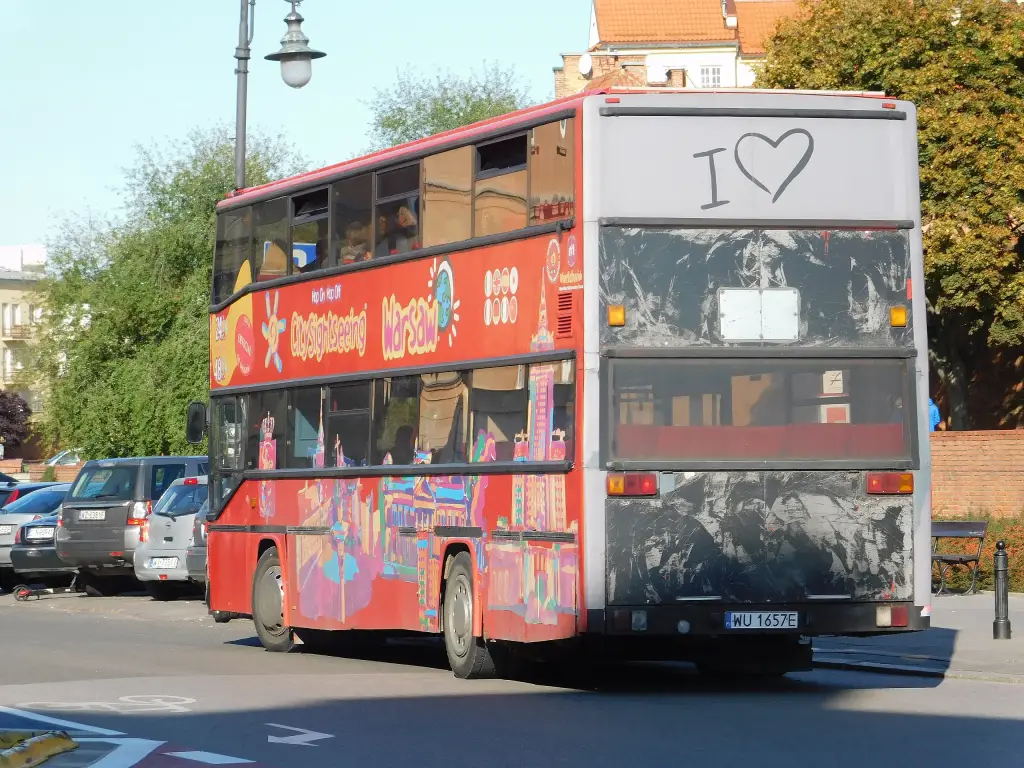
From 1988 the SD 202 was delivered with a slightly changed interior: on the lower deck the space opposite the rear door was enlarged by removing a row of seats, and the grab pole at the middle door was deleted. This allowed wheelchair users with an accompanying person to use the buses, which carried a pictogram on the front marking them as accessible. Production ended in 1992, and in 1995 the low-floor double-decker MAN ND 202 followed.
Later life
From 2001 most of the newer accessible SD 202 buses, and some 1987 vehicles, were refurbished by the BVG to extend their service life until enough new MAN ND 313 double-deckers and articulated buses arrived. In their final years many buses received conference-style seating on the upper deck, with benches facing the walls. The last BVG service run was on 28 December 2009; by 16 January 2010 only two SD 202 remained registered. Many buses were converted into open-top or opening-roof sightseeing buses, and in the winter of 2010/2011 a few briefly returned to Berlin service because of a vehicle shortage. In 2022 bus 3679, built in 1988, was converted to electric drive by the engineering company IAV and tested on BVG route 218, becoming the first electric double-decker in Berlin line service.
Design and features
- Second-generation double-decker: based on the second-generation standard bus and built by Waggon Union.
- Accessible from 1988: a larger space at the rear door and a pictogram marked the accessible buses.
- Long service: some buses were used for twenty years or more, with the last BVG run in 2009.
- Electric test bus: bus 3679 was converted to electric drive in 2022.
MAN SD202 versions
- Prototypes: one 1982 bus and two more in 1983 and 1985.
- BVG series D 86 to D 92: production buses named after the year.
- LVG buses: a small batch with a longer axle ratio.
- Accessible buses: from 1988 with a larger wheelchair space.
- Sightseeing conversions: open-top and opening-roof buses.
- Electric bus 3679: the 2022 IAV conversion.
The SD202 followed the MAN SD200, and its single-decker relative is the MAN NL202. More MAN buses are in the MAN collection.
Sources
- MAN SD 202, German Wikipedia: production, BVG fleet, interior changes, electric conversion