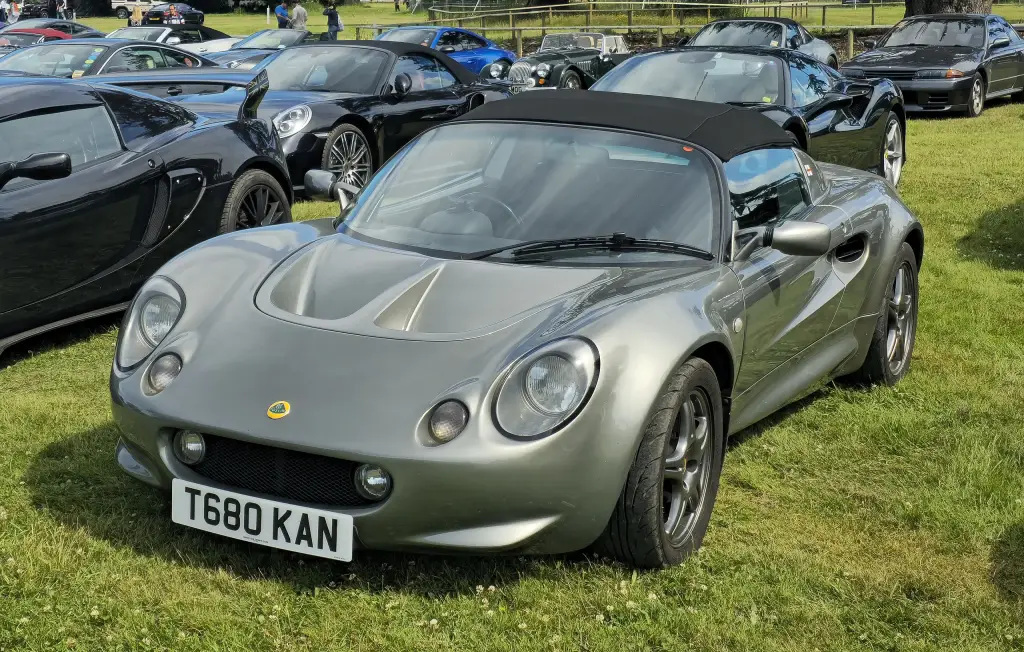
The Lotus Elise is a two-seater roadster conceived in early 1994 and released in September 1996. With a rear mid-engine, rear-wheel-drive layout, it has a fibreglass body over a bonded extruded aluminium chassis that gives a rigid platform while keeping weight and production costs down. It was named after Elisa Artioli, granddaughter of Romano Artioli, then chairman of Lotus and Bugatti.
Lotus Elise at a glance
| Released | September 1996 |
|---|---|
| Layout | mid-engined, rear-wheel drive, two-seater |
| Chassis | bonded extruded aluminium |
| Body | fibreglass |
| Series 1 weight | 725 kg (1,598 lb) |
| Series 1 power | 118 bhp (88 kW) at launch |
| 0–60 mph | 5.8 seconds |
| Centre of gravity | 470 mm |
| Designers | Julian Thomson, Richard Rackham |
| End of production | 2021, replaced by the Lotus Emira |
Based on one source (English Wikipedia).
History of the Lotus Elise
The 1996 Elise weighed 725 kg, so despite only 118 bhp it reached 60 mph in 5.8 seconds. The light weight also helped braking and fuel consumption, and a low centre of gravity of 470 mm helped cornering. The Series 1 was designed by Julian Thomson, then head of design, and Richard Rackham, the chief engineer.
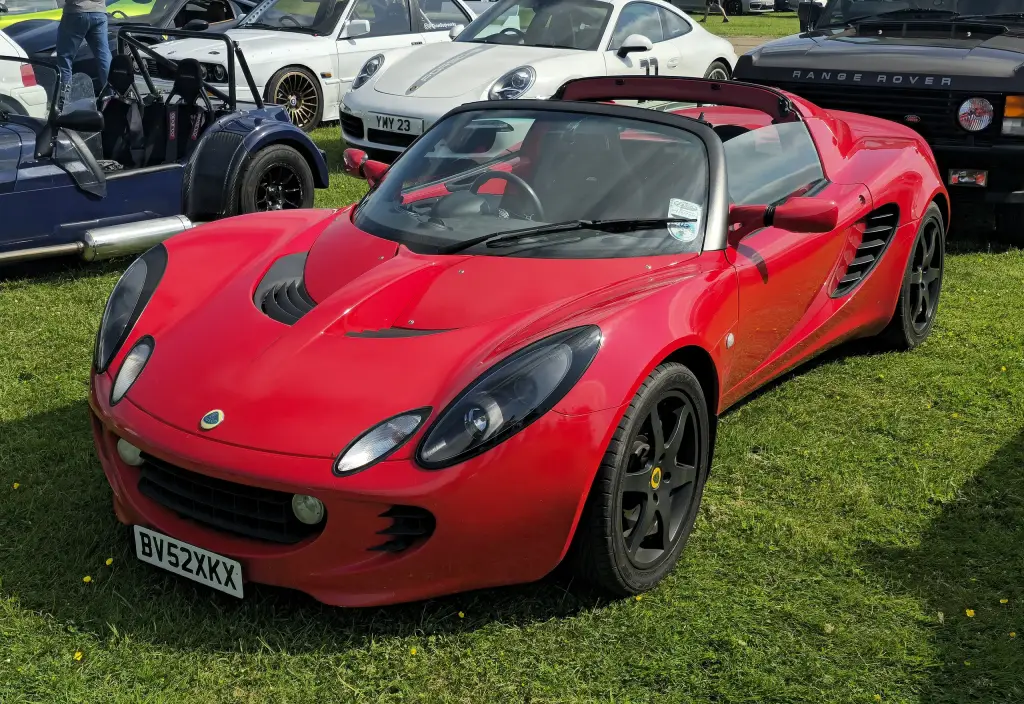
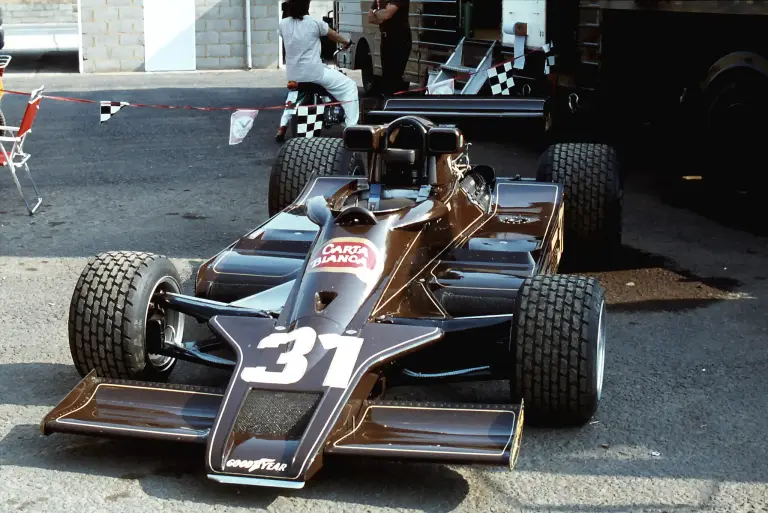
Beyond the standard and higher-performance variants, Lotus released limited editions such as the Sport 135 of 1998–99 with about 145 bhp, the Sport 160 of 2000 with 150–160 bhp and the Sport 190 with 190 bhp, all with sports suspension, wheels, tyres and seats according to model. Other specials included the 50th Anniversary Edition in green and gold, the Type 49 in Gold Leaf red and white, and the Type 79 in John Player Special black and gold, both named after successful Grand Prix cars.
The Series 1 was also assembled from kits on a dedicated line at Proton’s Shah Alam factory in Malaysia between 1997 and 2003, with the drivetrain imported complete and the bodywork initially painted at Hethel. The Malaysian cars cost double the British price because of local taxes and were exported to Japan, Hong Kong, Australia and New Zealand; they came with a hard top, carpets and air conditioning as standard, and were identified by a ‘B’ in the eleventh VIN position against ‘H’ for Hethel-built cars.
The 111S of early 1999, named after the Elise’s Type 111 number, used the 1.8-litre Rover K-series engine with variable valve timing on the intake valves, giving a flatter torque curve and 143 bhp against the standard 118 bhp. It had a closer-ratio gearbox, a lower final drive, more padding in the seats, headlamp covers, a rear spoiler, cross-drilled discs, alloy window winders and six-spoke wheels, with spats behind the rear arches for the wider rear wheels and a “chipcutter” front grille.
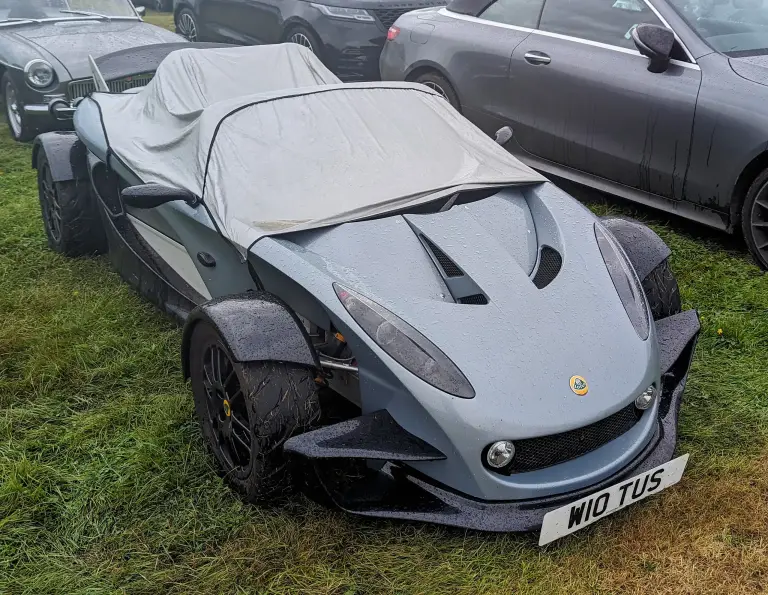
The 340R of 2000 was a roofless limited edition of 340 cars; the name originally referred to the 340 bhp per tonne of the prototype, which had 177 bhp and weighed 500 kg, and later to the number built, production cars weighing 701 kg with 252.5 bhp per tonne. The Exige of the same year was a hardtop Elise with the 340R’s 177 bhp engine, different front and rear clamshells, larger wheels and a rear wing, many later upgraded to 190 bhp. The Series 1 could not be built beyond 2000 because of new European crash rules, so Lotus found a partner in General Motors, which funded the Series 2 for the Opel and Vauxhall brands. The Series 2, project “Monza”, was announced on 9 October 2000 with a modified Series 1 chassis, the K-series engine and a new Lotus ECU, and its body paid homage to the M250 concept. Production of the Elise, Exige and Evora ended in 2021, the Elise being replaced by the Emira.
Design and features
- Bonded aluminium chassis: stiff and light, the heart of the car’s low weight.
- Fibreglass body: cheap to make and easy to repair.
- 725 kg: enough for 5.8 seconds to 60 mph from 118 bhp.
- 111S: variable valve timing, 143 bhp and a close-ratio gearbox.
- Limited editions: 340R, Sport 135, 160 and 190, and the anniversary and Type 49/79 cars.
Lotus Elise versions
- Series 1 (1996–2000): 1.8-litre Rover K-series, 118 bhp.
- 111S (1999): 143 bhp with variable valve timing.
- Sport 135, Sport 160, Sport 190: track-focused limited editions.
- 340R (2000): roofless edition of 340 cars.
- Exige (2000): hardtop version with the 177 bhp engine.
- Series 2 (2000–2021): redesigned body and chassis developed with General Motors.
The Elise was the basis of the Lotus Exige and the Lotus 340R, and its chassis thinking carried on in the Lotus Evora. More cars are in the Lotus collection.
Sources
- Lotus Elise, English Wikipedia: series, engines, special editions, production