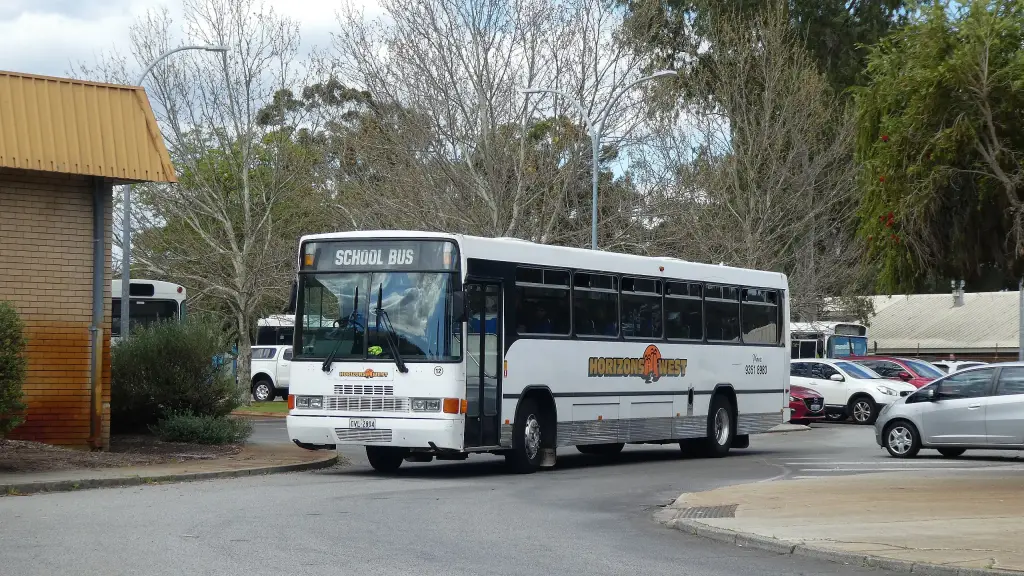
The Leyland Tiger, also known as the B43, was a mid-engined bus and coach chassis manufactured by Leyland between 1981 and 1992. It replaced the long-running Leyland Leopard and was one of Britain’s best-selling coaches before Volvo closed the Farington factory.
Leyland Tiger at a glance
| Maker | Leyland |
|---|---|
| Designation | B43 |
| Type | mid-engined bus and coach chassis |
| Production | 1981–1992 |
| Replaced | Leyland Leopard |
| First engine | turbocharged Leyland TL11, up to 260 hp |
| Gardner option | 6HLX series from 1984 |
| Cummins option | L10 by 1987 |
| Volvo option | THD100 series from 1989 |
| Gearbox | Leyland Hydracyclic, or ZF with Cummins |
| Bodies | usually Alexander TS-type for the Scottish Bus Group |
| Northern Ireland | 747 Ulsterbus and Citybus, 1983–1993 |
| Total built | about 3,500 |
Based on one source, the English Wikipedia article on the Leyland Tiger.
History of the Leyland Tiger
Replacing the Leopard
The Tiger was released in 1981 with a single engine option, the turbocharged Leyland TL11 rated at up to 260 hp. The Leopard had been hugely successful in Scotland, usually with the Alexander Y-type body, but had lost some Scottish Bus Group orders to the Seddon Pennine 7 because Leyland would not offer a Gardner engine in it. When the Tiger was launched Leyland repeated that refusal, just as Dennis was developing the Gardner-engined Dennis Dorchester, which could also have taken Scottish Bus Group orders. Faced with that threat, Leyland offered Gardner 6HLX-series engines in the Tiger from 1984. The chassis had to be modified because the Gardner was much larger than the TL11. The Dorchester threat was seen off, but there proved to be only a limited market for Gardner-engined Tigers outside the Scottish Bus Group.
Engines and Volvo
By 1987 the Cummins L10 was also available, and from about 1988 it was specified more often, usually with a ZF gearbox instead of the Leyland Hydracyclic. Volvo took over Leyland in 1988, and from 1989 the Tiger was offered with the Volvo THD100-series engine used in the best-selling B10M; most Volvo-engined Tigers went to Northern Ireland. Around that time the TL11 and Gardner options were dropped, leaving only Cummins and Volvo. Like the Leopard, the Tiger was also sold as a bus, usually with a downrated engine and leaf springs instead of the standard air suspension.
Operators
The Scottish Bus Group bought batches of Tigers, usually with Alexander TS-type bodywork and Gardner 6HLXCT engines, and the type was popular with National Bus Company subsidiaries. Shearings bought many as coaches. The Tiger was especially popular in Northern Ireland, where Ulsterbus and Citybus bought 747 between 1983 and 1993; the last Tiger to enter service did so there in August 1993. In Australia the biggest customer was Ventura Bus Lines of Melbourne, which bought 65 Tigers over five years from March 1984 plus a few second-hand, and North & Western Bus Lines of Sydney, Premier Illawarra of Wollongong, Rover Motors of Cessnock, Surfside Buslines of the Gold Coast and Thompsons Bus Service of Brisbane also built large fleets. A number of three-axle chassis were bodied as coaches, and the last Tiger bodied in Australia had been imported in 1984 but was not bodied until 1993.
The end
One articulated chassis was built in 1985; it took two years to find a buyer and was bodied by Superior for Wests National Coaches of Nambour, Australia, in June 1987. Leyland Bus was acquired in a management buyout led by Ian McKinnon in January 1987, and it seemed the Tiger would continue as before. Just over a year later, in March 1988, Volvo bought the business, bringing Britain’s two best-selling coaches, the Leyland Tiger and the Volvo B10M, under one owner. Volvo knew the Tiger had a loyal following and a good reputation, so it continued, and in February 1989 the Tiger accounted for 50 per cent of all British bus sales. Sales then slowed, and in 1990 Volvo had Plaxton body forty chassis to shift stock; 25 of them were the only Plaxton 321 bodies built, a derivative of the Duple 320 acquired when Duple closed. Volvo accepted that the Tiger and B10M were broadly similar, but whereas Leyland had sold about 3,500 Tigers since launch, Volvo had sold 20,000 B10Ms in the same period. The penultimate major buyer, Shearings, switched to the B10M in 1991, and Volvo decided to stop production and close the Farington factory.
Design and features
- Mid-engined chassis: the TL11 sat under the floor, as in the Leopard.
- Engine choice over time: TL11, Gardner 6HLX, Cummins L10 and finally Volvo THD100.
- Bus and coach: coach chassis with air suspension, or bus versions with downrated engines and leaf springs.
- Northern Ireland favourite: 747 Tigers for Ulsterbus and Citybus between 1983 and 1993.
Leyland Tiger versions
- TL11 Tiger: the original 1981 coach chassis.
- Gardner-engined Tiger: from 1984, mainly for the Scottish Bus Group.
- Cummins and Volvo Tigers: the later engine options from 1987 and 1989.
- Articulated chassis: one built in 1985 and bodied in Australia in 1987.
The Tiger replaced the Leyland Leopard and was joined by the Lynx in the Leyland Bus range. More Leyland vehicles are in the Leyland collection.
Sources
- Leyland Tiger, English Wikipedia: engines, operators, Volvo years, production