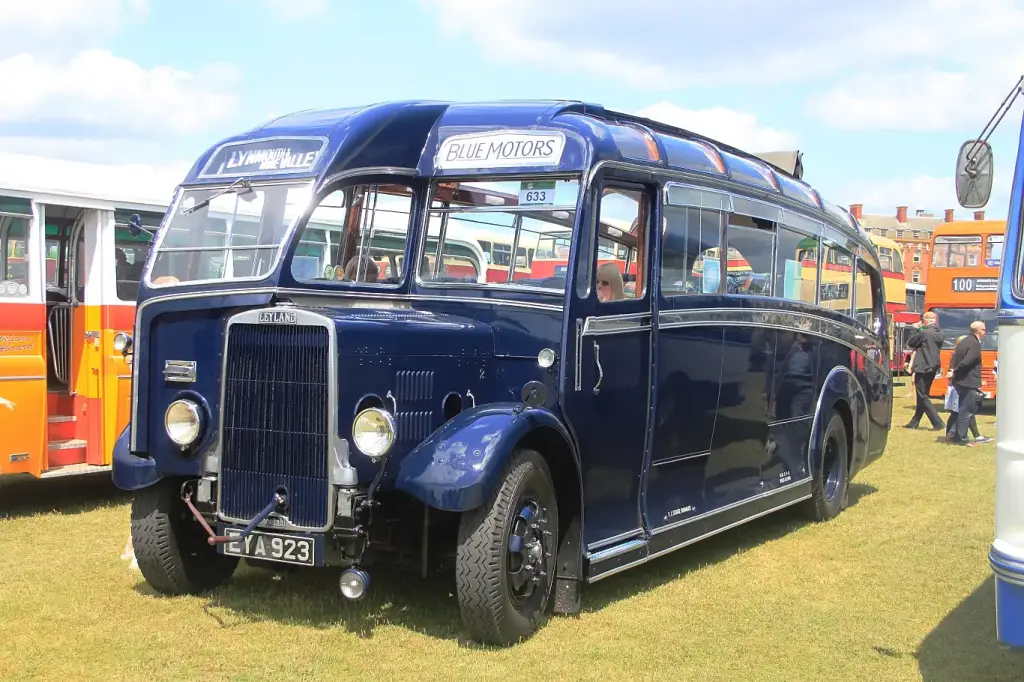
The Leyland Cheetah, with the type designation LZ, was a bus and coach chassis built by Leyland Motors from 1935 to 1940. Lightly constructed and with a 4.7-litre six-cylinder petrol engine, it was popular with coach operators but always short of power.
Leyland Cheetah at a glance
| Maker | Leyland Motors |
|---|---|
| Type | bus and coach chassis |
| Designation | LZ |
| Production | 1935–1940 |
| Engine | 4.7-litre six-cylinder petrol |
| Seating | up to 39 in coach bodywork |
| Weight | under five tonnes |
| Bodybuilders | Alexander, Brush, Burlingham, Harrington, Wadham, Park Royal |
| Notable body | Harrington coaches with a rear fin |
| Largest operator | Ribble, with 309 |
Based on one source, the German Wikipedia article on the Cheetah.
History of the Leyland Cheetah
A light chassis
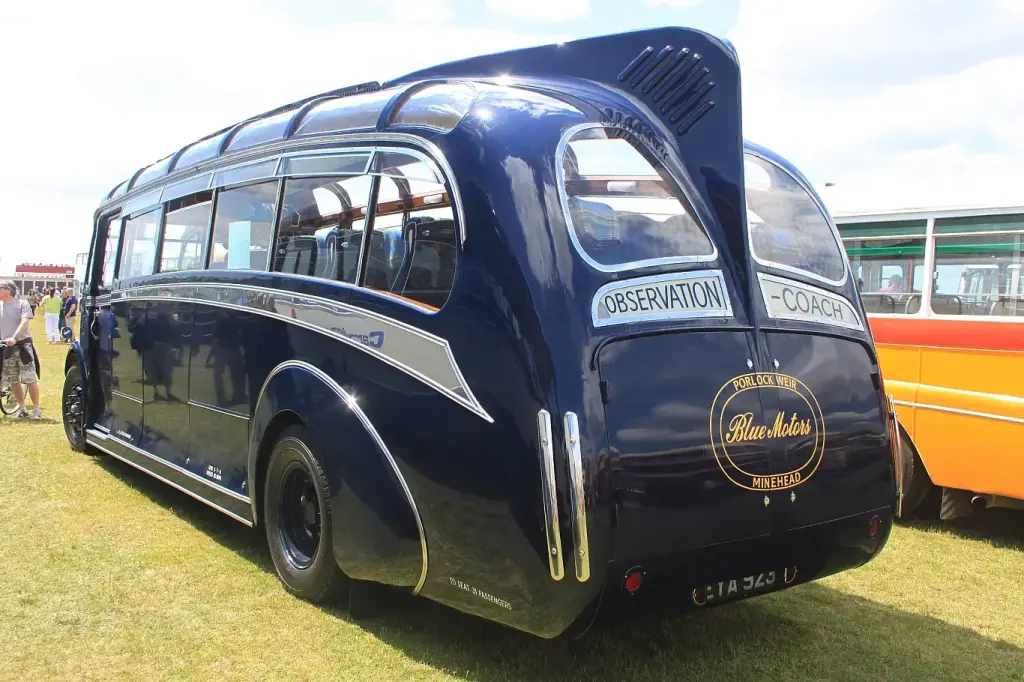
The Leyland Cheetah was designed as a light vehicle and built from 1935 to 1940. Its chassis weighed less than five tonnes in all, and power came from a 4.7-litre six-cylinder petrol engine. The light construction made the Cheetah economical, but it also meant that the model suffered from weak performance.
Coachwork
Most Cheetahs were fitted with coach bodywork seating up to 39 passengers. Bodies came from Alexander, Brush, Burlingham, Harrington, Wadham and Park Royal. The Harrington-bodied buses had a characteristic rear fin, a detail meant to look aerodynamic, a style that was becoming popular at the time. The half-cab layout typical of British buses of the period gave the driver a good view all round and easy access to the engine.
Later life
Many surviving Cheetahs were rebodied at the end of the 1940s by Alexander, Burlingham and other coachbuilders, which kept the chassis in service after the original bodies wore out. One of the largest customers was the bus company Ribble, which operated 309 examples.
Design and features
- Light chassis: the whole vehicle weighed less than five tonnes.
- Petrol six: a 4.7-litre six-cylinder engine, smooth but not powerful enough for the weight.
- Half-cab layout: the driver sat in a half-width cab pulled forward almost to the radiator grille.
- Coach bodies: up to 39 seats, with a choice of six bodybuilders.
Leyland Cheetah versions
- Standard coach: the usual body, seating up to 39.
- Harrington-bodied coaches: distinguished by the rear fin.
- Rebodied survivors: chassis given new Alexander or Burlingham bodies in the late 1940s.
The Cheetah was an early Leyland coach chassis; later coaches in the collection include the Leyland Tiger and the Leyland Cub. More are in the Leyland collection.
Sources
- Leyland Cheetah, German Wikipedia: production, engine, bodies, Ribble fleet