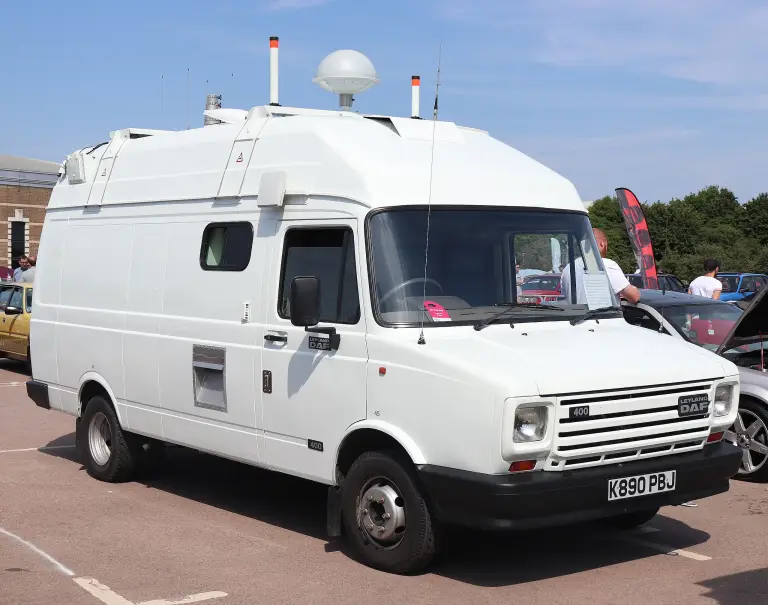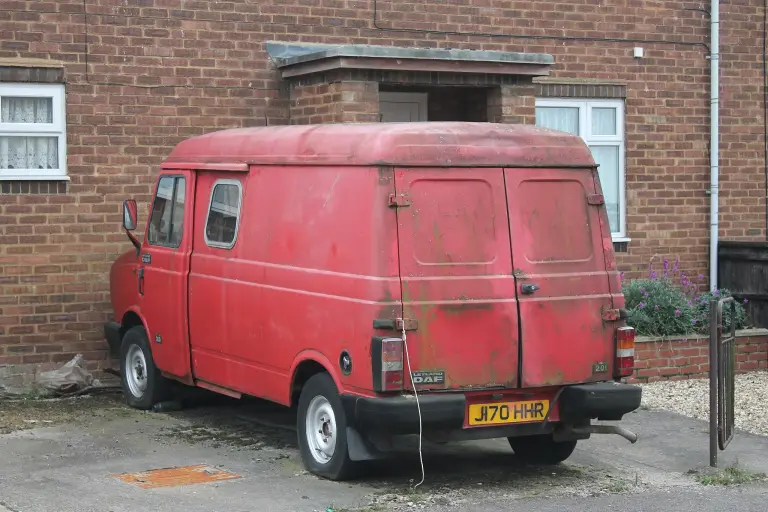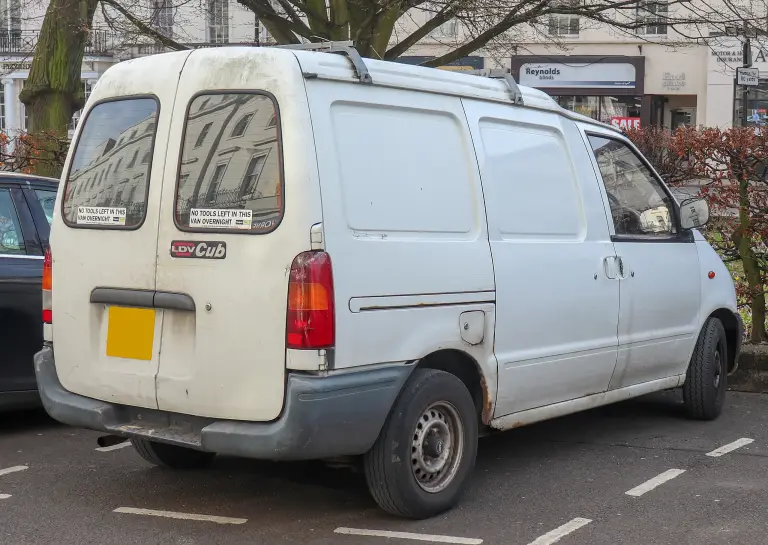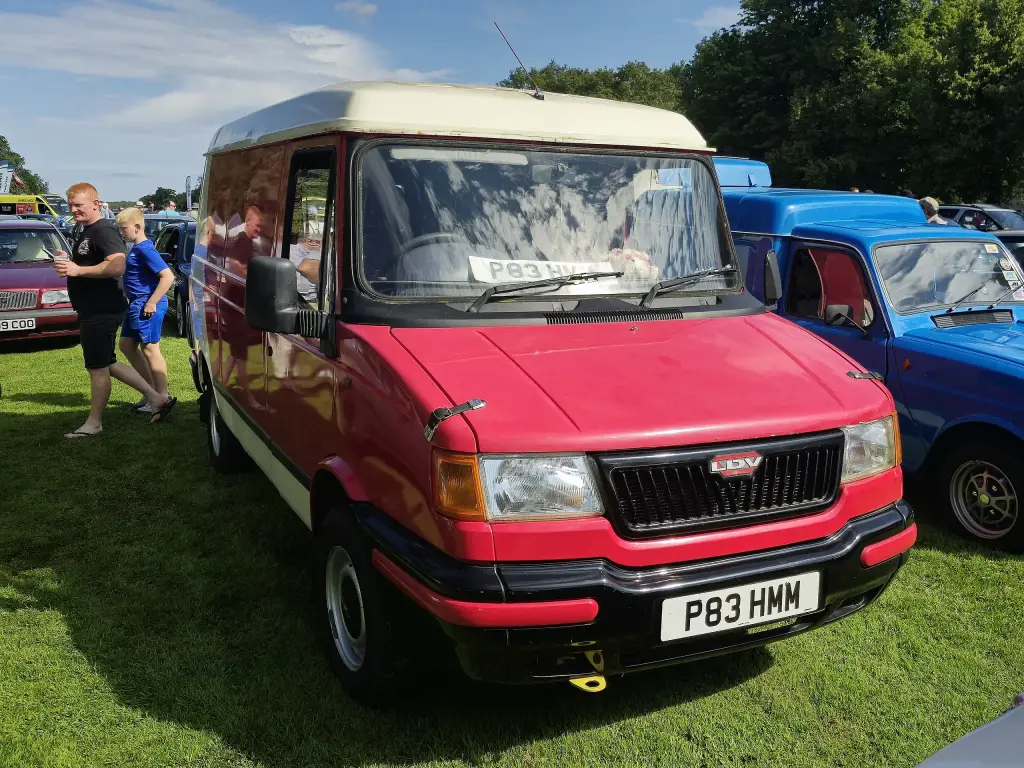
The LDV Pilot was the last model in a line of panel vans that began with the Leyland Sherpa in 1974. Introduced by LDV Limited in the second half of the 1990s, it replaced the 200 series, carried a 1.9-litre Peugeot-derived turbodiesel and stayed in production until 2006, when the Maxus took over.
LDV Pilot at a glance
| Maker | LDV Limited, Washwood Heath, Birmingham |
|---|---|
| Production | 1996–2006 |
| Predecessor | LDV 200, formerly the Leyland DAF 200 Series |
| Project name | Bulldog |
| Engine | 1.9-litre PSA XUD turbodiesel |
| Layout | engine ahead of the cab, rear-wheel drive |
| Gearbox | five-speed manual |
| GVW | 2.2 to 2.6 tonnes |
| Load space | 5.7 cubic metres (200 cu ft) |
| Load access | rear doors or a sliding side door |
| Main fleet users | the Army, the British police, the Royal Mail |
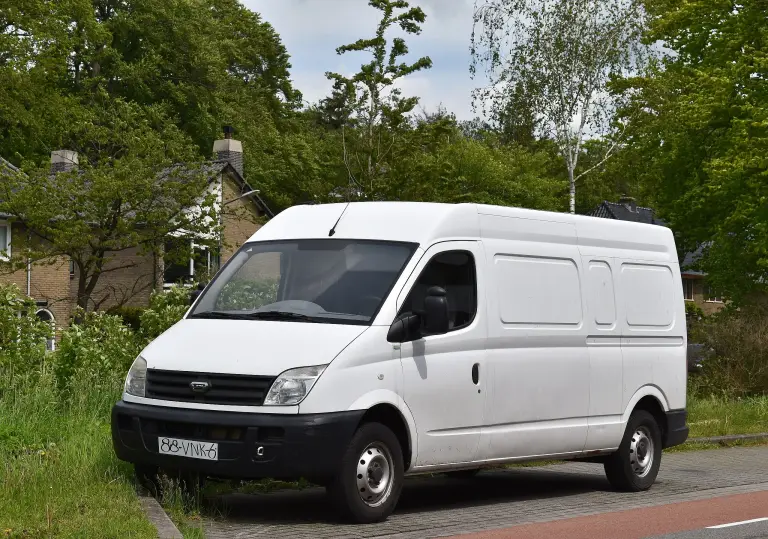
| Replaced by | LDV Maxus |
The English article gives the line a production span of 1974 to 2005; the German one dates the Pilot itself to 1997–2006 and the end of Pilot and Convoy production to 2006.
History of the LDV Pilot
From the Sherpa to the 200 Series
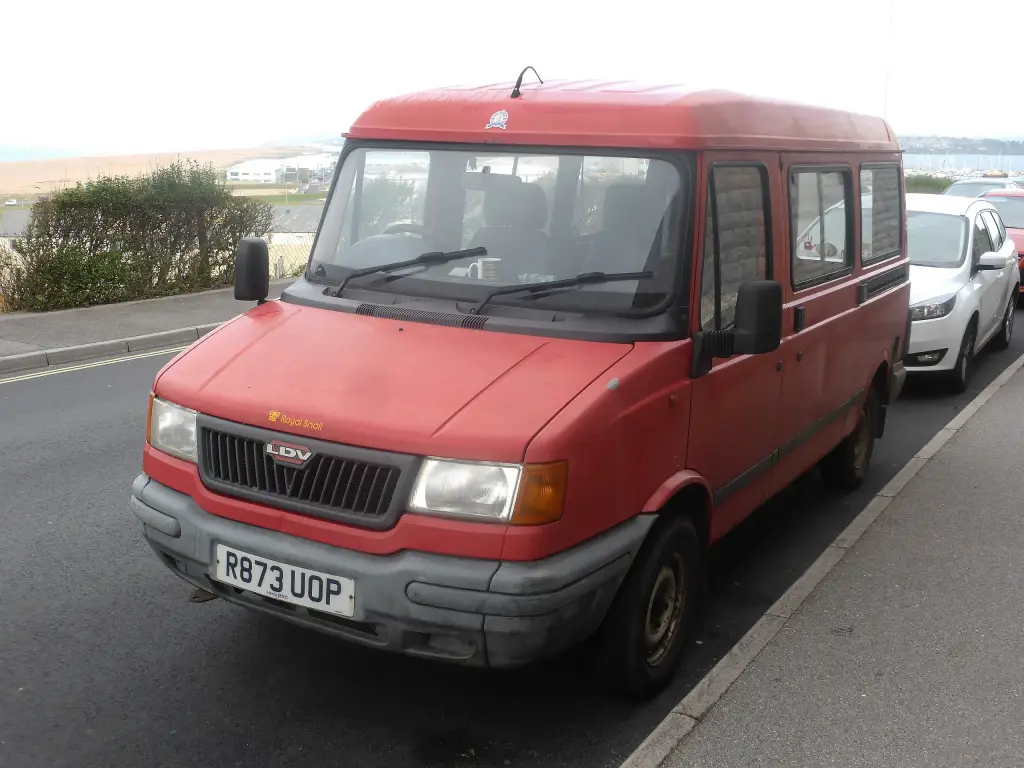
The Pilot closed a story that started in 1974 with the Leyland Van, soon renamed Sherpa. It was derived from the Morris and BMC J4 and JU250, and the change that mattered was moving the engine ahead of the cab under a bonnet, which let the wheelbase grow and gave the van its distinctive Sherpa profile. In 1978 the 1.7 and 2.0-litre O-series petrol engines arrived and the range became the 200, 230 and 250 by gross weight. The Sherpa K2 of 1982 brought a neater front, better side access and a stronger B-pillar; the Freight Rover 200 Series of 1984 added square headlamps and new bumpers, and in 1989, with the merger into Leyland DAF, the van became the Leyland DAF 200 Series.
The Bulldog project
LDV Limited was formed in 1993 out of the Leyland DAF bankruptcy and continued building the 200–400 series. It then developed replacements under the project name Bulldog: the Pilot for the 200 series and the Convoy for the 400. The Pilot kept the old body shell but lost the boxiest of its front panels, and it gained a redesigned dashboard and new seats. Under the bonnet there was now the PSA XUD turbodiesel of 1,905 cc, a modern unit in place of the older diesel, and the van was rated at 2.2 to 2.6 tonnes with a load area of 5.7 cubic metres. Access to the load bay was from the rear doors or through a sliding side door.
In service
The Pilot’s narrow track, the consequence of a body designed for car production lines, made it the natural choice for work in tight streets and lanes. Large numbers went to the Army, the British police and the Royal Mail, and the Royal Mail in particular had used the line since the original Sherpa, preferring it to the wider Ford Transit. The Maxus, on sale since 2004, replaced the Pilot completely in 2006 after LDV had built the two side by side for a couple of years. In 2007 a poll of more than 100,000 readers of a van magazine named the discontinued range its Van of the Year, a year after production had ended.
Design and features
- Modern diesel: the 1.9-litre PSA XUD turbodiesel gave the old shell a contemporary engine.
- Revised cab: a new dashboard and new seats distinguished the Pilot from the 200.
- 5.7 cubic metres: slightly more loadspace than the 5.4 cubic metres of the 200 series.
- Narrow track: the reason the Royal Mail, the police and the Army kept buying the line.
- Simple mechanics: rear-wheel drive through a five-speed gearbox, with the engine ahead of the cab.
LDV Pilot versions
- LDV Pilot panel van: the standard closed body, in 2.2 to 2.6-tonne ratings.
- Pilot chassis cab: a bare chassis for outside coachbuilders.
- Camper conversions: the Pilot was a popular base for small motorhomes, such as the Leisuredrive conversion.
- Fleet vans: Royal Mail, police and Army vehicles, often in their own liveries.
The Pilot replaced the LDV 200 and was the narrow stablemate of the LDV Convoy. Both were replaced by the LDV Maxus. More vans are in the LDV collection.
Sources
- LDV Pilot, English Wikipedia: model range, engines, loadspace, Sherpa history
- LDV Pilot, German Wikipedia: Bulldog project, PSA XUD engine, fleet users, end of production