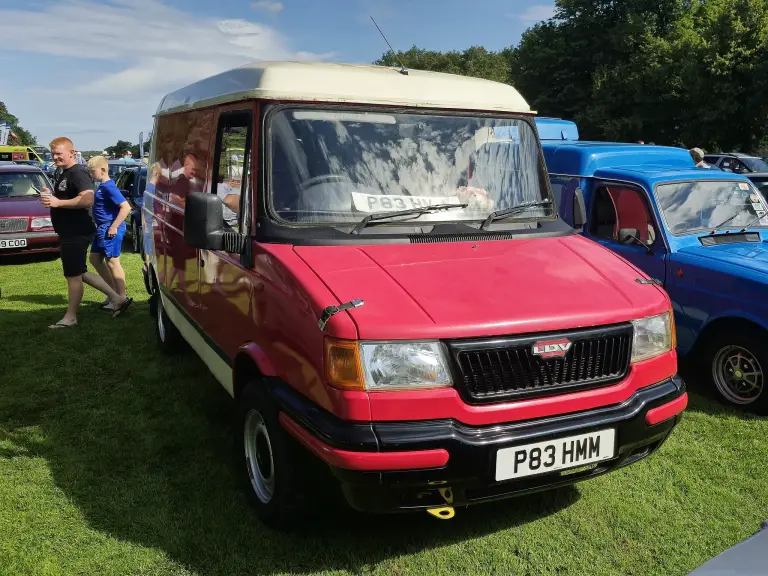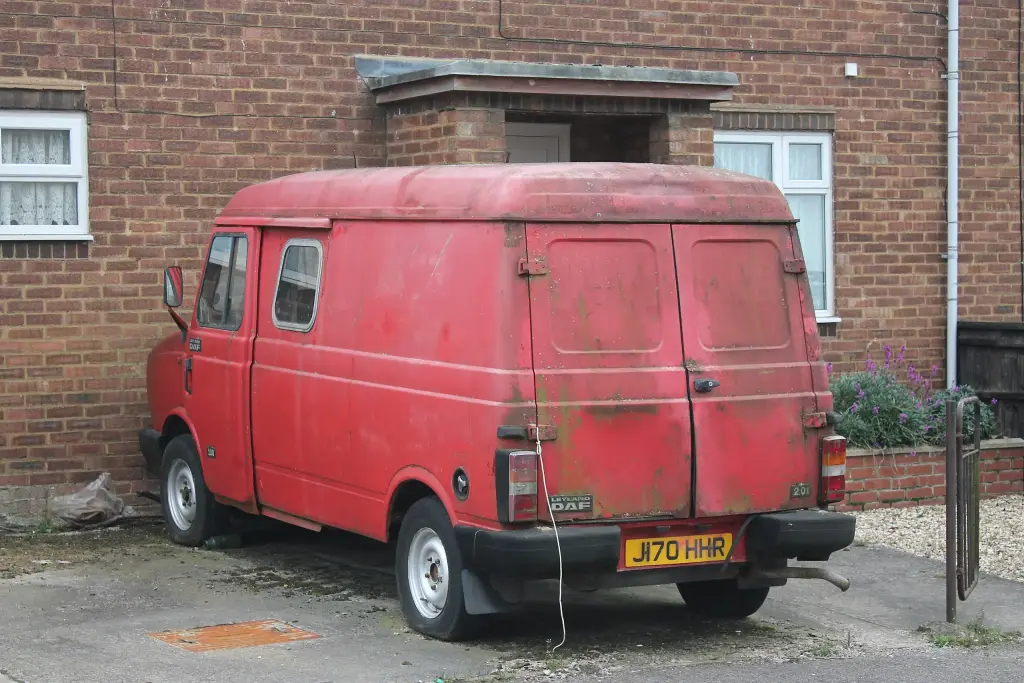
The LDV 200 was the narrow-bodied van of the Sherpa family, carried on by LDV Limited after it bought the light commercial business of the collapsed Leyland DAF in 1993. It bridged the old Leyland DAF 200 Series and the company’s own replacement, the Pilot, and it kept a shape that had been in production since 1974.
LDV 200 at a glance
| Maker | LDV Limited, Washwood Heath, Birmingham |
|---|---|
| Production | 1993–1996, continuing the Leyland DAF 200 Series |
| Predecessor | Leyland DAF 200 Series (1989–1993) |
| Successor | LDV Pilot, developed under the project name Bulldog |
| Layout | engine ahead of the cab, rear-wheel drive |
| Gearbox | five-speed manual |
| Load space | 5.4 cubic metres (190 cu ft) |
| Load access | rear doors or a sliding side door |
| Body styles | panel van, pick-up, crewbus, minibus, chassis cab |
| Track | narrower than the Ford Transit |
| Designations | 200, 230, 250, 280 — the figure in tens of kilograms |
| Main fleet users | Royal Mail, British Telecom, local authorities |
The LDV 200 has no article of its own; the text is based on the English and German Wikipedia articles on the LDV Pilot, which cover the whole Sherpa line and the 200 series.
History of the LDV 200
Sherpa: 1974–1984
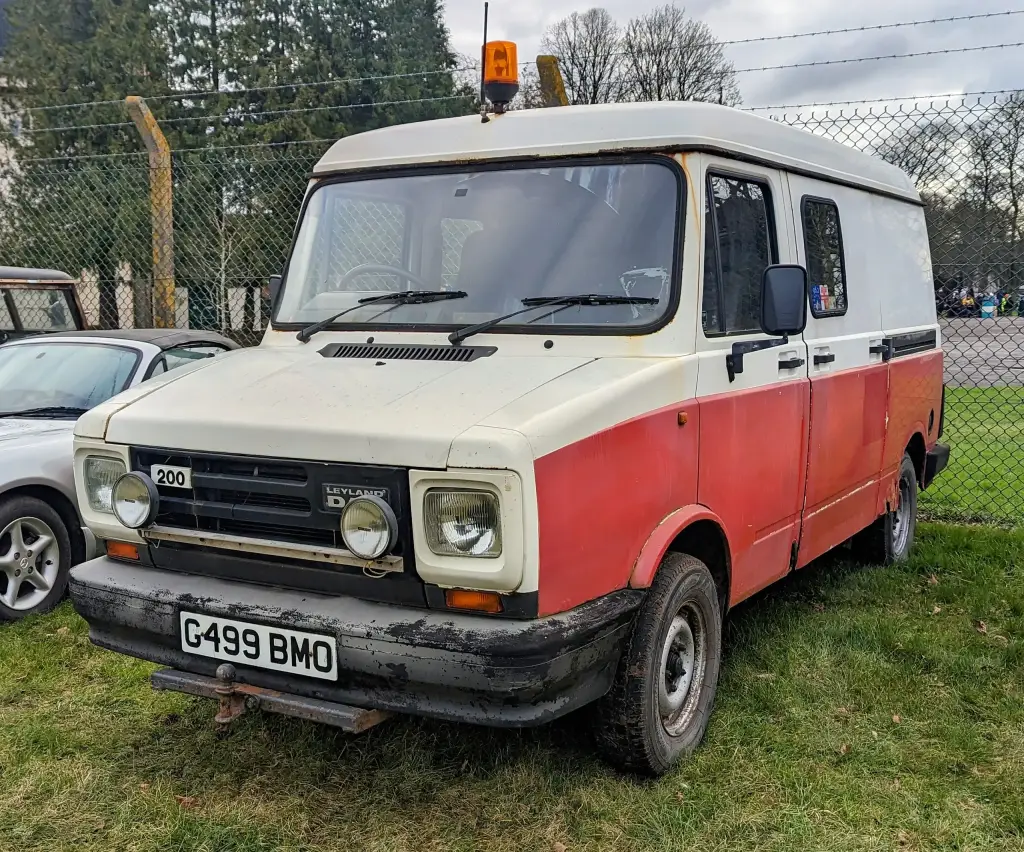
The van began in 1974 as the Leyland Van, soon renamed Sherpa. It was derived from the Morris and BMC J4 and JU250 of the 1960s, and its main advance was moving the engine ahead of the cab, under a bonnet, which brought Leyland’s light van into line with the Ford Transit and the Bedford CF and allowed a longer wheelbase. In 1978 the 1.7 and 2.0-litre O-series petrol engines replaced the original B-series units, while the 1798 cc B-series diesel stayed, and the range was redesignated by gross weight as the 200, 230 and 250. The Sherpa K2 of June 1982 brought a black vertically slatted grille in the manner of the Range Rover, new doors and a stronger B-pillar, and a larger side window; the loadspace stayed at 190 cubic feet.
Freight Rover and Leyland DAF
With the 1984 facelift the Sherpa became the Freight Rover 200 Series, gaining square headlamps, new bumpers and repositioned indicators. The 200 Series started with a two-tonne gross weight and kept the same 5.4 cubic metre load bay, while a Luton body on the 255 chassis cab raised capacity to 11 cubic metres and a payload of almost two tonnes. In 1989, as Freight Rover was merged into Leyland DAF, the van was renamed once more and sold as the Leyland DAF 200 Series.
LDV Limited and the Bulldog project
Leyland DAF went bankrupt in 1993 and the van business was bought out to form LDV Limited, which simply carried on building the Leyland DAF 200–400 series. Under the project name Bulldog the new company developed two replacements: the Pilot for the 200 series and the Convoy for the 400 series. Until those were ready the 200 continued as the LDV 200, and it was still listed alongside the first Pilots.
Why fleets kept buying it
The van had originally been designed to be built on car production lines, which left it with a narrow track. LDV made that a virtue in its publicity, stressing how easily the van slipped through narrow city streets and country lanes. For many years it was for this reason preferred to the Ford Transit by the Royal Mail and British Telecom, both of whom bought the Sherpa line in huge fleets through all of its later generations. The Pilot and the Convoy, introduced in the second half of the 1990s, finally took over from the 200 and the 400, and both stayed in production until 2006, when the LDV Maxus replaced them.
Design and features
- Narrow body: a legacy of car-line production tooling, and the reason the van was popular with the Royal Mail and British Telecom.
- 5.4 cubic metre load bay: 190 cubic feet, unchanged from the first Sherpa of 1974, with access from the rear or through a sliding side door.
- Simple mechanicals: the engine sat ahead of the cab under a bonnet, driving the rear wheels through a five-speed gearbox.
- Many body styles: panel van, pick-up, crewbus, minibus and bare chassis cab for outside coachbuilders.
- Family designations: the 200, 230, 250 and 280 names referred to the gross weight in tens of kilograms.
LDV 200 versions
- LDV 200 panel van: the standard closed van, the version fleets bought in the greatest numbers.
- Pick-up: a dropside body on the chassis cab, replacing the integral pick-up of the original Sherpa.
- Crewbus and minibus: the 250-based passenger versions for works crews and schools.
- Chassis cab: sold bare in 255 and 280 form for bespoke bodywork.
- Luton-bodied vans: factory and outside conversions with up to 11 cubic metres of loadspace.
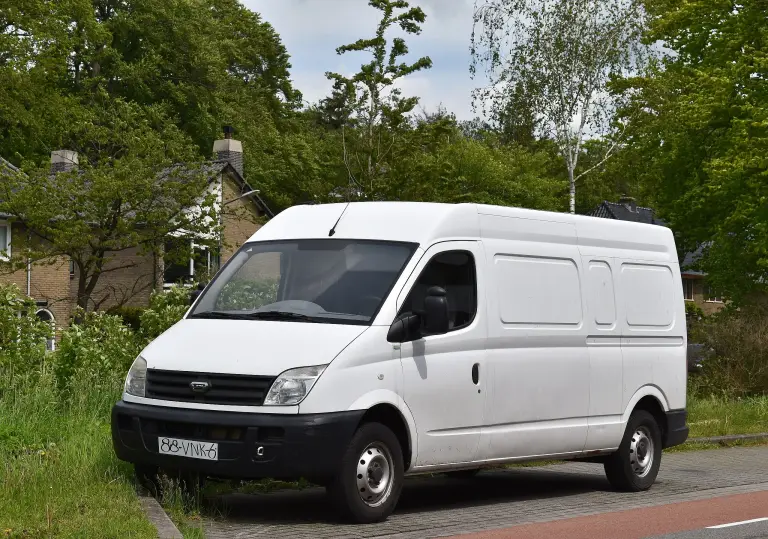
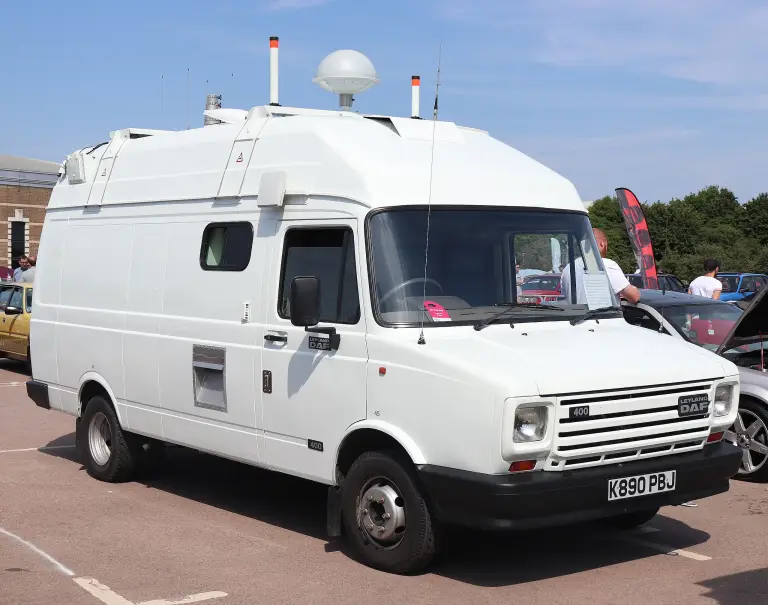
The 200 was replaced by the LDV Pilot, and the wide-bodied member of the same family was the LDV 400. Both gave way to the LDV Maxus in 2006. More vans are in the LDV collection.
Sources
- LDV Pilot, English Wikipedia: Sherpa history, 200 Series, narrow track, Royal Mail and BT fleets
- LDV Pilot, German Wikipedia: LDV Limited, Bulldog project, end of production in 2006