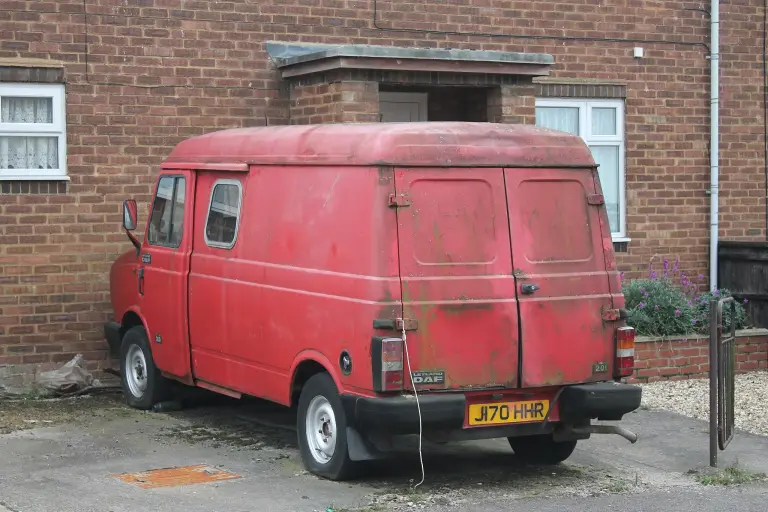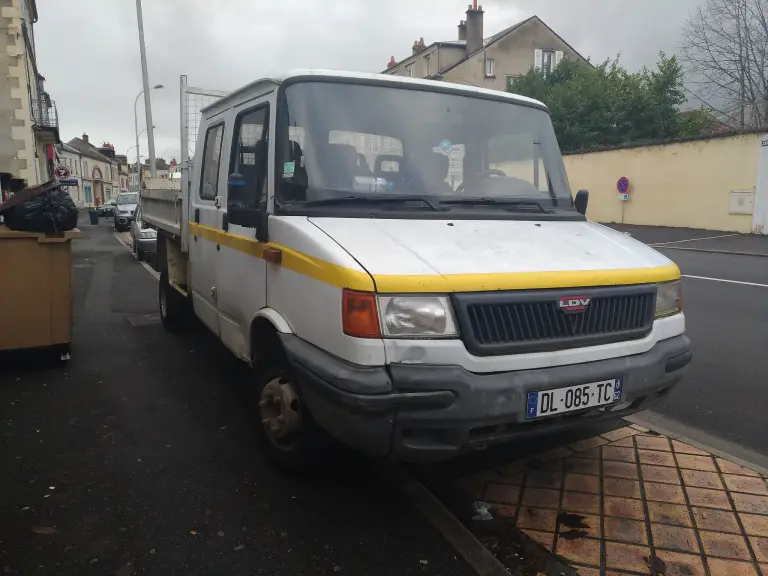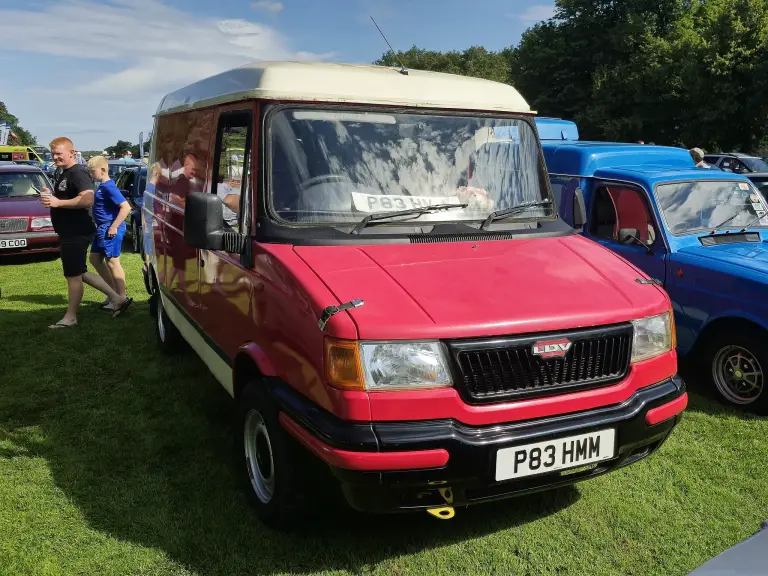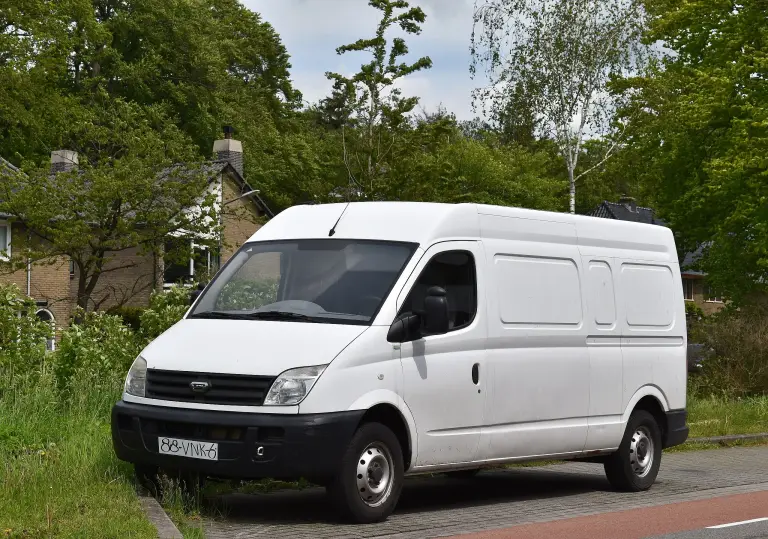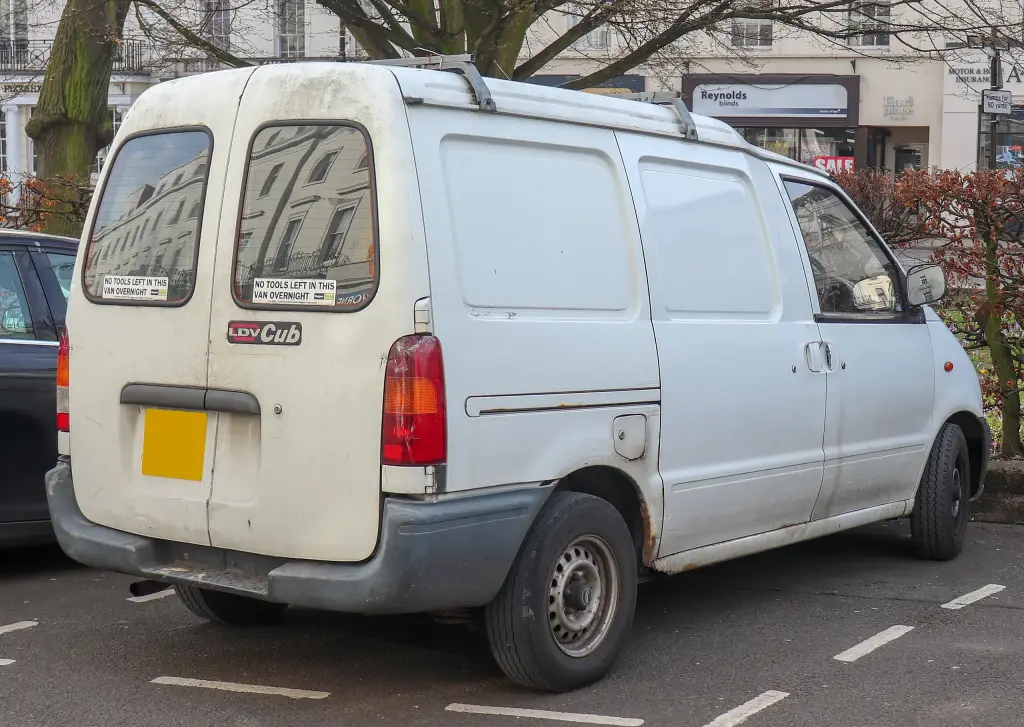
The LDV Cub was not an LDV design at all. It was a rebadged Nissan Vanette Cargo, the commercial version of the Serena, which LDV Group agreed to sell in Britain in June 1998. It stayed on the price list for only three years, until Nissan replaced the van with a Renault-based model.
LDV Cub at a glance
| Maker | LDV Group, with Nissan |
|---|---|
| Production | 1998–2001 |
| Origin | Nissan Vanette Cargo, the commercial version of the Serena C23 |
| Built in | Spain, by Nissan Motor Ibérica |
| Engine | 2.3-litre diesel (LD23) |
| Layout | engine behind the front axle, rear-wheel drive |
| Gearbox | five-speed manual |
| Body | panel van, longer than the Serena with a higher roof behind the front seats |
| Sold alongside | the Nissan Vanette in Britain |
| Replaced by | Nissan Primastar, a rebadged Renault Trafic |
There is no separate article on the LDV Cub; the text is based on the section about it in the English, German and Italian Wikipedia articles on the Nissan Serena, of which the Cub was a commercial derivative.
History of the LDV Cub
The van behind the badge
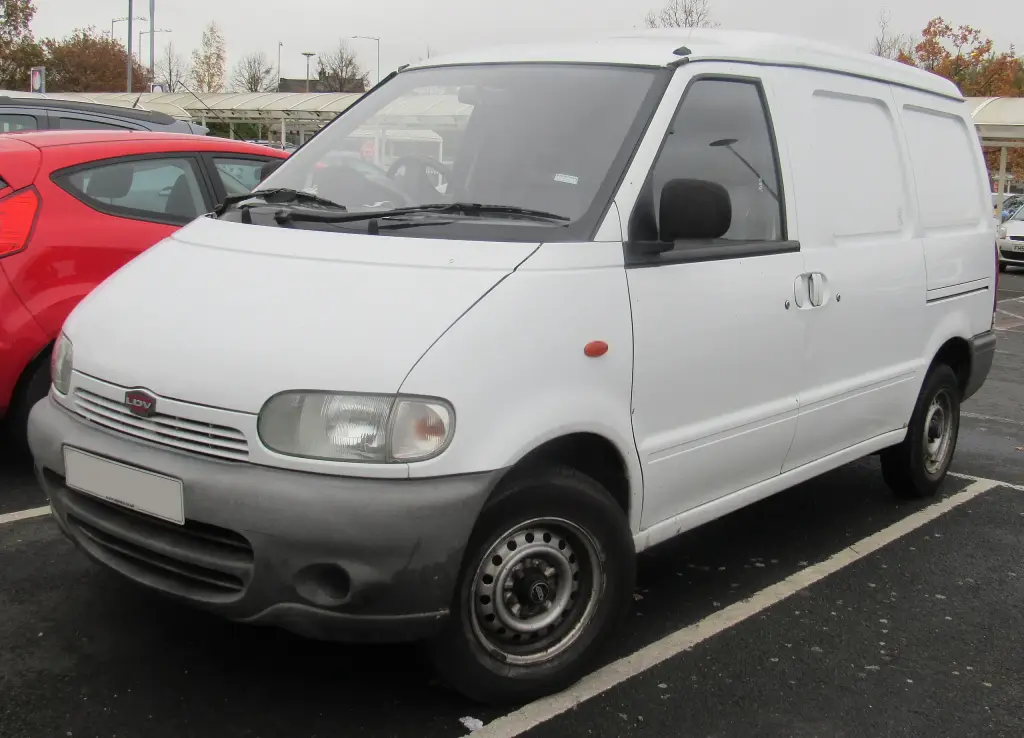
The Cub was a Nissan Vanette Cargo, the panel-van version of the first-generation Serena. The Serena itself was launched in Japan in 1991 as a compact passenger van, with its engine mounted behind the front axle and under the front seats, driving the rear wheels through a five-speed gearbox and a live axle on leaf springs. European cars were built in Spain by Nissan Motor Ibérica from 1992, and the Vanette E shared the Serena’s body shell, differing only in that it had no rear windows and no passenger seats, while the Vanette Cargo was longer and had a higher roofline from behind the front seats.
The LDV agreement
In June 1998 LDV Group entered into an agreement with Nissan to sell a rebranded version of the Vanette Cargo, and the result was the LDV Cub. It was sold in Britain alongside the Vanette, which gave LDV a second van to offer beside its own Sherpa-derived 200 and 400 models. European C23 models came with 1.6 or 2.0-litre petrol engines or the 2.3-litre LD23 diesel in LX, SLX, SGX and SGXi trim, and the Cub was sold with the 2.3-litre diesel. The European Serena was facelifted in 1998, the year the Cub arrived, and an automatic gearbox became available with the petrol engines.
A short life
The Cub was discontinued in 2001. Nissan replaced the Vanette with a rebadged Renault Trafic called the Nissan Primastar, built in Luton in England and in Barcelona, and production of the European Serena C23 ended in September that year with no direct successor on the market. LDV, meanwhile, went on building its own vans until the Maxus took over in 2006.
Design and features
- Nissan engineering: the body, engine and running gear were all Nissan, with only the badges changed.
- High-roof body: the Cargo shell was longer than the Serena and taller behind the front seats.
- Mid-mounted engine: the diesel sat under the front seats, driving the rear wheels.
- Proven diesel: the 2.3-litre LD23 engine used across the European Serena range.
LDV Cub versions
- LDV Cub panel van: the only version offered, with no rear windows or seats.
- Nissan Vanette Cargo: the same vehicle under its original name, sold alongside the Cub in Britain.
- Nissan Serena C23: the passenger car the van was derived from, also built in Spain.
The Cub sat below the LDV 200 and LDV 400 in the range, and LDV’s own replacement for that pair was the LDV Maxus. More vans are in the LDV collection.
Video: LDV Cub – Used Van Review
Video by Men and Motors on YouTube.
Sources
- Nissan Serena, English Wikipedia: Vanette Cargo, the 1998 LDV agreement, end of production
- Nissan Serena, German Wikipedia: Spanish production, engines, 1998 facelift
- Nissan Serena, Italian Wikipedia: European model history