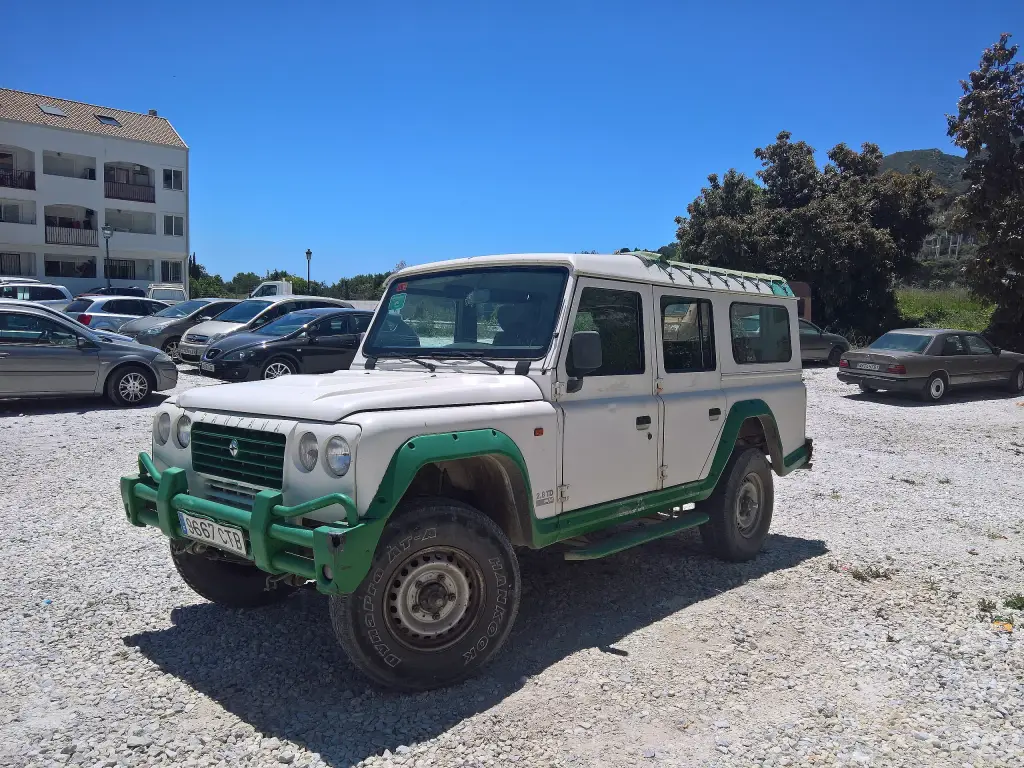
Santana Motor, S.A. is a Spanish vehicle manufacturer based in Linares in the province of Jaén. It began in 1956 as Metalúrgica de Santa Ana, making farm machinery, and from 1961 built off-road cars under licence from Land Rover as Land Rover Santana.
Santana Motor at a glance
| Founded | 1956, as Metalúrgica de Santa Ana, S.A. |
|---|---|
| Base | Linares, Jaén, Spain |
| Licence agreement with Rover | 1956, production from 1958 |
| Licensed name | Land Rover Santana |
| CKD assembly | kits shipped from Solihull |
| Local content | 100% by 1968 |
| Renamed | Land Rover Santana, S.A. |
| Santana-badged models | from 1989, such as the Santana 2500 |
| Suzuki agreement | 1985 |
| Own Santana model | Aníbal |
| Iveco agreement | 2006–2009, including the Massif |
| Closed | filed for settlement 16 February 2011 |
| Restarted | October 2025 with the Santana 400 |
based on one source (English Wikipedia); the article covers the company, of which the Land Rover licence was the core
History of the Santana Motor
Metalúrgica de Santa Ana was set up with just three million pesetas after the Spanish government offered start-up incentives in 1954 to develop Andalucia. The company decided to widen its range and in 1956 began talks with Rover about building Land Rover Series models under licence, as Minerva in Belgium, Tempo in Germany and Morattab in Iran were doing. The agreement came in 1956 and production began in 1958, at first from CKD kits shipped from Solihull, with a growing share of Spanish parts from 1960 and 100% local content by 1968. Apart from small details such as the electrics and the rear tailgate, the Spanish Land Rovers were identical to the Solihull cars and of comparable quality.
From 1968 Santana developed its own versions of the Series models with new engines and models, and the close relationship led it to change its name to Land Rover Santana, S.A. It also built a Commer walk-through truck for the local market from 1964 to the mid-1970s, and from 1962 promoted the Santana and Land Rover brands in Central and South America and Africa, supplying CKD kits to Morocco and Costa Rica. Because customers in those markets worked their vehicles hard, Santana often learned of a model’s failings before Land Rover did, and with British Leyland short of money it began engineering its own fixes.
By the late 1980s Santana models, meant to be quick and cheap versions of Land Rover’s own products, were often the better cars. They gained anatomical seats, disc brakes, turbo diesels, taper-leaf springs, coil springs and civilian-specification Forward Control versions before the Land Rover equivalents, and Santana even built a civilian version of the Land Rover Lightweight called the Ligero that Land Rover never sold. In 1989, after financial trouble forced Land Rover to end its involvement, Santana began selling the vehicles under its own brand, including the Santana 2500, an off-roader that suited Spain’s varied terrain in the 1990s. The last Land Rover Santana models went as a donation to Colombia at the request of the Spanish government, with a few to Mexico.
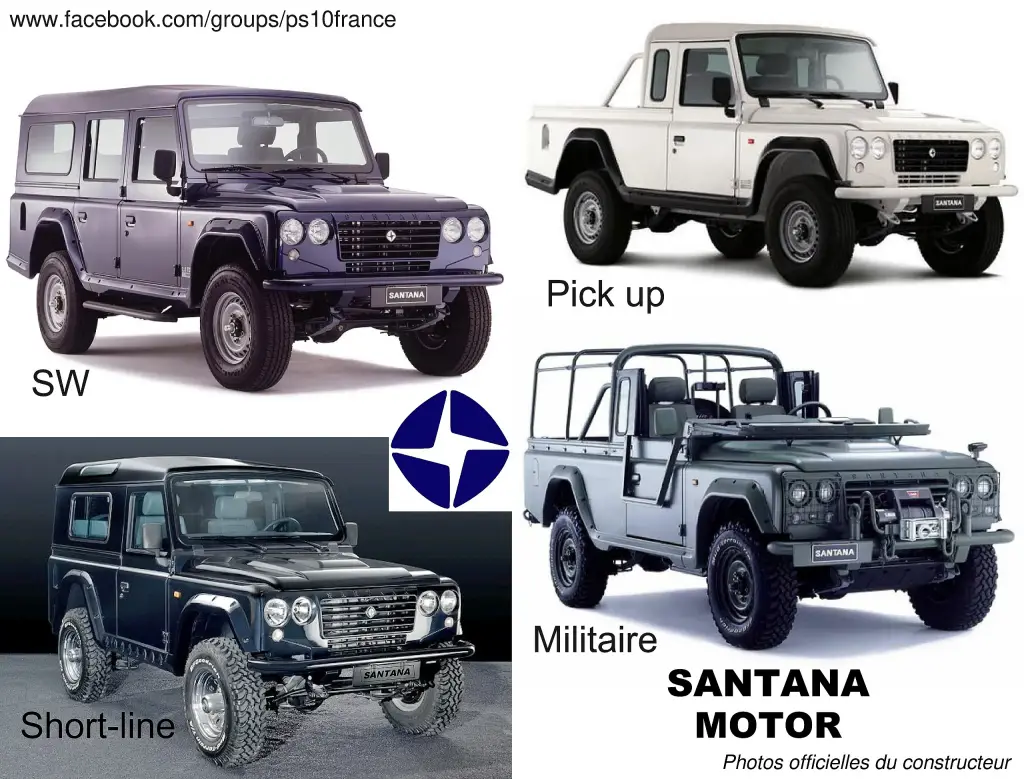
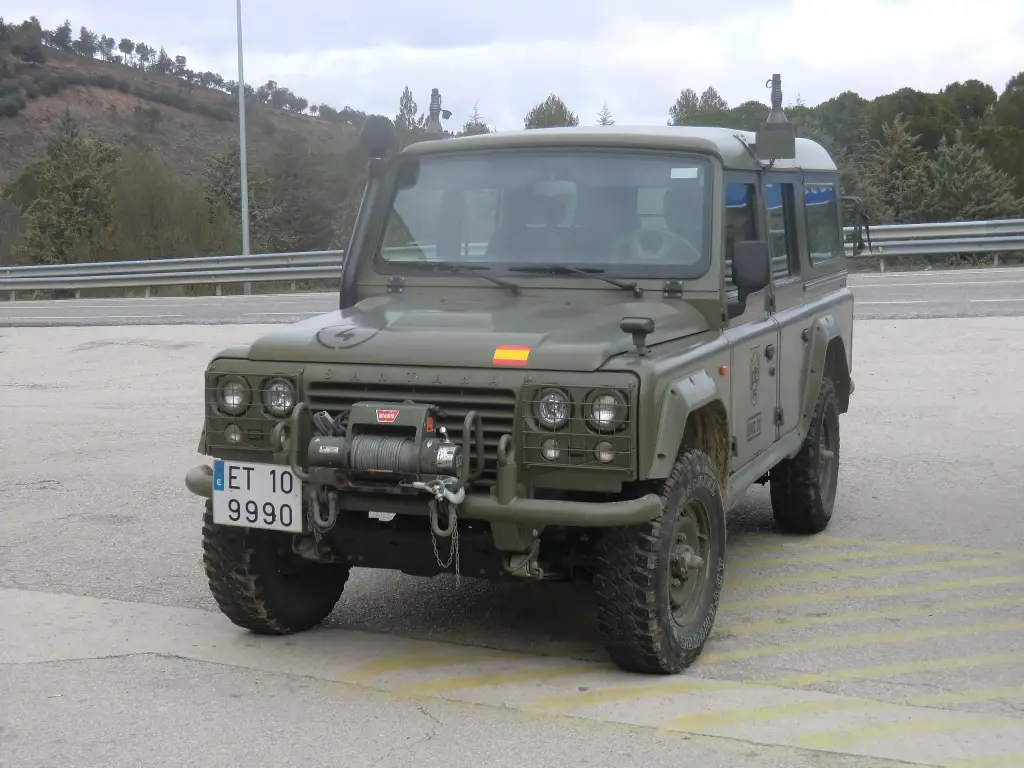
New rivals and technical obsolescence pushed Santana into alliances, first with Suzuki in 1985, building the Samurai, Vitara and Jimny. In 1995 the Junta de Andalucía bought the whole company from Suzuki, but nationalisation brought financial trouble and losses of over €300 million by 2001. Santana responded with its own Aníbal off-roader, ordered by the Spanish, French and Czech armies. From 2006 to 2009 it built vehicles for Iveco, most notably the Massif, but falling sales and losses of €42 million by 2010 led workers to vote 83% in favour of disbanding the company, which filed for settlement on 16 February 2011. Santana vehicles are now sought after, especially in Britain, where a restored 1961 Series II 88 sold for €14,950 in 2024 and Bonhams sold a 1964 Santana 88 Series II pickup for US$24,640 in 2025. Production restarted in October 2025 with the Santana 400.
Design and features
- Licensed Land Rovers: Series models built from Solihull kits and then from Spanish parts.
- Early improvements: disc brakes, turbo diesels and coil springs before Land Rover itself.
- The Ligero: a civilian Lightweight that Land Rover never offered.
- Own models: the Santana 2500 and the Aníbal.
Santana Motor versions
- Land Rover Santana Series: licensed Series models from 1958.
- Santana 2500: Santana-badged off-roader of the 1990s.
- Ligero: civilian version of the Land Rover Lightweight.
- Suzuki models: Samurai, Vitara and Jimny built under the 1985 agreement.
- Aníbal: Santana’s own military and civilian off-roader.
- Iveco Massif (2006–2009): built for Iveco.
Santana built the Land Rover Series under licence and its Forward Control work followed the 101 Forward Control. More cars are in the Land Rover collection.
Sources
- Santana Motor, English Wikipedia: company history, models, closure